
Category: Uncategorized

  • Why Does Beard Itch Happen?

    Why Does Beard Itch Happen?

    That itchy stage can make even a promising beard feel like a mistake. If you have been asking, why does beard itch happen, the answer is usually simpler than it seems: your skin is dry, your beard is pulling moisture away, or buildup is sitting where healthy skin should be calm.

    Beard itch is not always a sign that something is wrong in a serious sense. More often, it is your skin reacting to change. Facial hair grows in, the surface of the skin gets disrupted, natural oil distribution shifts, and suddenly the area feels tight, rough, or irritated. The good news is that beard itch can usually be managed with a more supportive care routine.

    Why does beard itch happen in the first place?

    The most common reason is dryness. As your beard grows, the hair can draw sebum, your skin’s natural oil, away from the surface. That leaves the skin underneath less comfortable and more vulnerable to flaking, tightness, and irritation. If you already have naturally dry or sensitive skin, the effect can feel stronger.

    There is also a mechanical side to it. Fresh beard hairs can feel sharp as they emerge, especially in the early growth phase. Those short, stiff hairs can rub against the skin and create a prickly, itchy sensation. This is one reason the first few weeks of growth often feel the most uncomfortable.

    Another common factor is dead skin buildup. The skin under a beard still sheds as part of its normal cycle, but once hair becomes denser, flakes and oil can get trapped more easily. If that buildup is not gently cleansed away, it can contribute to itch, odor, and a beard that feels less fresh overall.

    Sometimes the cause is not dryness alone but irritation from products. Harsh cleansers, heavily fragranced washes, alcohol-based grooming products, or over-washing can strip the skin barrier. When that barrier is weakened, even a healthy beard can feel itchy because the skin underneath is no longer well protected.

    The role of skin health under your beard

    A beard does not replace skin care. It makes skin care more necessary.

    The skin under your beard needs balance. It needs enough cleansing to remove sweat, dirt, and excess oil, but not so much that it becomes stripped. It needs moisture, but not heavy residue that clogs the area. It also needs nourishment that supports comfort over time, not just a temporary surface shine.

    This is where many routines go off track. Some men wash their beard with regular soap, which can be too harsh for facial skin. Others use beard oil but never clean away buildup. Some trim and brush consistently but do not pay attention to the condition of the skin underneath. Beard comfort depends on both the hair and the skin working together.

    If the skin under your beard is inflamed, flaky, or overly dry, the beard itself usually becomes harder to manage. It may feel coarse, look dull, and seem more difficult to soften. A comfortable beard starts at the base.

    Common causes of beard itch that are easy to overlook

    Dry weather is one. Cold air, indoor heat, and low humidity can pull moisture from both skin and hair. In warmer months, sweat and salt can create a different kind of irritation. The season matters more than many people realize.

    Your shower habits can also play a role. Hot water feels relaxing, but it can strip natural oils quickly. If your skin tends to feel tight after washing, the water temperature may be contributing to the itch.

    Another overlooked cause is infrequent conditioning. Beard hair is often coarser than scalp hair, which means it can need more intentional softening. When the strands stay rough and dry, they can create friction against the skin and worsen discomfort.

    There is also the possibility of beard dandruff, sometimes called beardruff. This happens when flakes form under the beard due to dryness, irritation, or an imbalance in the skin environment. If itch comes with visible flaking, the issue may be less about the beard itself and more about scalp-like conditions affecting facial skin.

    How to calm beard itch without making it worse

    The first step is to clean your beard gently. Use a cleanser that removes buildup without leaving the skin stripped or squeaky. That overly clean feeling is often a sign that your barrier has lost too much oil. A nourishing wash is usually the better choice, especially if beard itch is already present.

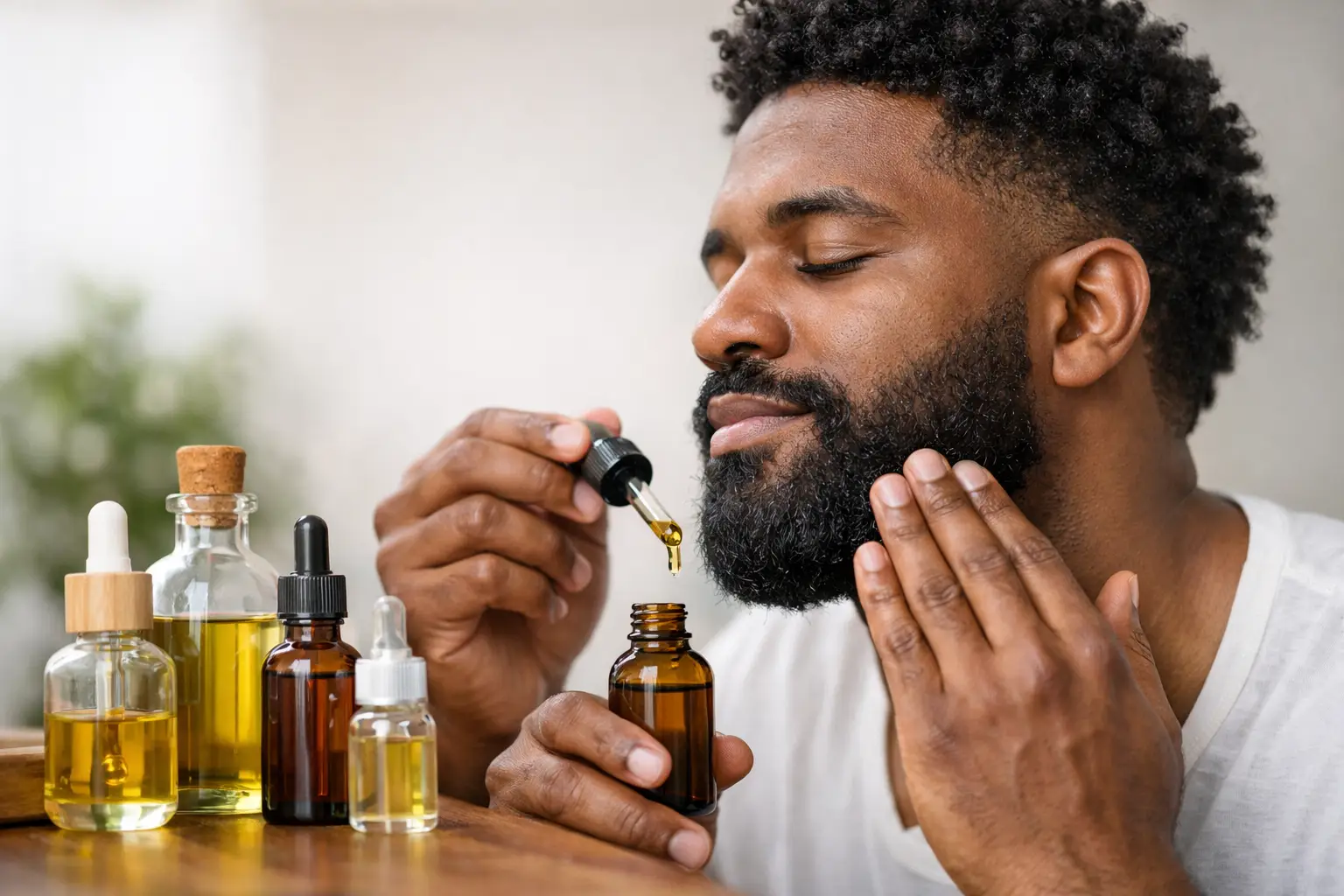
    After cleansing, restore moisture while the beard is still slightly damp. A beard oil can help soften the hair and support the skin beneath it, especially when it includes plant oils known for hydration and comfort. The goal is not to coat the beard heavily but to deliver enough nourishment that both hair and skin feel balanced.

    Massage matters here. When you work oil down to the skin instead of only smoothing the outer beard, you help target the source of the itch. This also supports circulation and can make your routine feel less like maintenance and more like restorative care.

    Brushing or combing gently can help distribute product and loosen trapped flakes. The key word is gently. Aggressive brushing can irritate already sensitive skin and create more friction, not less.

    If your beard is in the early growth phase, patience is part of the solution. Some itch fades naturally as hairs lengthen and soften. That said, waiting it out works best when you are also hydrating the skin and keeping the area clean.

    When natural care makes the biggest difference

    Natural beard care tends to be most helpful when the itch is linked to dryness, sensitivity, or repeated irritation from harsh ingredients. Plant oils and herbal-focused formulas can support comfort because they help replenish moisture rather than strip it away.

    That does not mean every natural product is automatically better. Formulation still matters. Some oils are too heavy for certain skin types, and some essential oil blends may be irritating for sensitive users. It depends on your skin, your beard density, and how often you use the product.

    A well-balanced routine usually focuses on three things: gentle cleansing, consistent hydration, and comfort at the skin level. Brands like Mimea Herb build around this approach by pairing botanical ingredients with practical beard and scalp support, which is especially useful for people trying to reduce itch without turning to harsher grooming systems.

    Why does beard itch happen more for some people than others?

    Skin type is a big reason. If your skin is naturally dry, reactive, or prone to flaking, beard growth may expose those issues more quickly. Coarse beard texture can make that more noticeable because thicker hair may feel rougher against the skin in the beginning.

    Lifestyle matters too. Frequent workouts, long hours in dry indoor air, inconsistent washing, and stress can all affect skin comfort. Even diet and hydration can influence how resilient your skin barrier feels. Beard itch is local, but its causes are not always limited to the beard area alone.

    Genetics also play a part. Some people simply produce less oil or have more sensitive facial skin. That is why one person’s beard may grow in with minimal discomfort while another person’s itches for weeks. The solution is not comparing your beard to someone else’s. It is building a routine that works with your skin.

    When beard itch may need extra attention

    If the itching is intense, persistent, or paired with redness, painful bumps, rash-like patches, or heavy flaking, it may be more than routine dryness. Conditions like seborrheic dermatitis, contact irritation, or ingrown hairs can all show up in the beard area.

    In those cases, a grooming adjustment may help, but sometimes professional guidance is the better next step. Natural care can support comfort, but it is not a substitute for medical treatment when the skin is clearly inflamed or not improving.

    Pay attention to patterns. If itch gets worse after a specific product, your skin may be reacting to an ingredient. If it appears mainly after shaving the neckline or trimming closely, friction and ingrowns may be involved. The more clearly you identify the trigger, the easier it becomes to calm the problem.

    A better beard usually starts with less irritation

    Beard growth should not feel like something you have to endure. In many cases, itch is simply a signal that your skin needs a little more care than it is getting. When you cleanse gently, hydrate consistently, and choose ingredients that support comfort instead of stripping it away, your beard often becomes easier to wear and easier to maintain.

    A healthy beard does not start with appearance alone. It starts with skin that feels calm, nourished, and supported enough to let growth happen more comfortably.
  • Herbal Shampoo vs Regular Shampoo

    Herbal Shampoo vs Regular Shampoo

    If your scalp feels tight after washing, your beard turns rough by midday, or flakes keep coming back no matter how often you cleanse, the question of herbal shampoo vs regular shampoo becomes less about preference and more about results. What you wash with can affect moisture balance, scalp comfort, and how healthy your hair or beard feels over time.

    Herbal shampoo vs regular shampoo: what sets them apart?

    The biggest difference usually comes down to formulation. Herbal shampoos are typically built around plant-based ingredients such as botanical extracts, nourishing oils, and herbs chosen to support hydration, soothe the scalp, and help maintain stronger-looking hair. Regular shampoos often focus first on cleansing performance, fragrance, texture, and foam, sometimes using harsher detergents or more synthetic additives to deliver that familiar “squeaky clean” feel.

    That does not mean every regular shampoo is harsh, or that every herbal shampoo is automatically better. Formula quality matters more than marketing language. Still, for people dealing with dryness, irritation, dandruff, or a coarse beard texture, herbal formulas often stand out because they are designed to cleanse while also supporting scalp balance.

    A good herbal shampoo tends to treat washing as part of care, not just cleanup. That difference is often noticeable after a few uses, especially if your current shampoo leaves hair stripped or your skin uncomfortable.

    How regular shampoo works on hair and scalp

    Regular shampoo is designed to remove oil, sweat, dirt, product buildup, and environmental residue. For some people, especially those with very oily scalps or heavy styling product use, that stronger cleansing action can be helpful. Hair can feel fresh, light, and clean right away.

    The trade-off is that stronger cleansing can also remove too much of the natural oil that protects both scalp and hair. When that happens, you may notice dryness, itching, rough texture, extra frizz, or a beard that feels wiry instead of soft. In some cases, an over-cleansed scalp starts producing more oil to compensate, which can create a frustrating cycle of oiliness and irritation.

    Many conventional formulas also rely heavily on synthetic fragrance. If your skin is already sensitive, that can add another layer of discomfort. The issue is not that all synthetic ingredients are bad. It is that a formula built mainly for lather and instant cleanliness may not be the best fit for long-term scalp health.

    What herbal shampoo is designed to do

    Herbal shampoo usually takes a more restorative approach. Instead of stripping the scalp and hair, it aims to cleanse while helping preserve moisture and comfort. Herbal ingredients are often included to calm irritation, nourish the roots, and improve manageability from scalp to ends.

    For people with dry hair, flaky scalp conditions, or beard irritation, this gentler balance matters. Herbs and natural oils can help soften coarse strands, reduce that tight feeling after washing, and support a healthier environment for growth. That is especially useful when your goal is not just clean hair, but healthier-looking hair that feels stronger and easier to maintain.

    This is also why many people shifting toward natural grooming products find herbal shampoo more aligned with their routine. It supports the practical side of care – less dryness, more comfort, better texture – without turning the wash step into damage control.

    Which one is better for dryness and itching?

    If dryness and itching are your main concerns, herbal shampoo often has the advantage. A formula that includes nourishing botanicals and moisture-supportive oils is usually better suited to an irritated scalp than one that cleans too aggressively.

    Dryness is not always caused by the weather or low water intake. Often, it starts with a cleanser that removes too much of the scalp’s natural protective barrier. Once that barrier is disrupted, irritation becomes more likely. You may feel itchy after showers, notice more flakes on dark clothing, or find that your beard skin feels inflamed beneath the hair.

    A well-made herbal shampoo can help reduce that pattern by cleansing more gently and supporting hydration at the same time. It will not fix every scalp issue overnight, and severe conditions may need medical guidance, but for everyday dryness and mild irritation, ingredient-conscious herbal care is often the more supportive choice.

    Herbal shampoo vs regular shampoo for dandruff-prone scalps

    Dandruff can be stubborn because it is not always just about being dry or dirty. Sometimes it involves excess oil, scalp imbalance, sensitivity, or inflammation. That is why simply washing more often with a regular shampoo does not always solve it.

    Herbal shampoo can be useful here because it often works on comfort as well as cleansing. Botanical ingredients associated with scalp soothing and oil balance may help reduce the conditions that make flakes more noticeable. If your dandruff comes with itching, redness, or tenderness, a gentler herbal formula may feel significantly better than a strong detergent-based wash.

    That said, it depends on the severity. Heavy flaking and persistent scalp issues may need a targeted treatment in addition to shampoo. In those cases, an herbal shampoo can still play an important role by helping maintain moisture and reducing irritation between treatments.

    What about beard care?

    This is where many people make a common mistake. They use a standard hair shampoo on their beard and assume the same formula works everywhere. In reality, beard hair and the skin underneath it often need more support.

    Beard hair is usually coarser than scalp hair, and the facial skin beneath it can become dry and irritated quickly. A regular shampoo may clean the beard, but it can also leave it rough, brittle, or frizzy. That discomfort often shows up as itchiness, flaking, or an uneven feel that makes the beard harder to manage.

    A gentle herbal cleanser is often a better fit because it helps clean without over-drying. When combined with a consistent grooming routine, it can support a softer beard, better skin comfort, and a healthier overall appearance. For men who want their beard to look fuller and feel more comfortable day to day, the wash step matters more than they think.

    Ingredients matter more than labels

    The words “herbal” and “regular” are useful categories, but they are not enough on their own. Some products marketed as herbal still include harsh ingredients, while some conventional shampoos are surprisingly balanced. The better question is what the formula is actually doing for your hair and scalp.

    Look for shampoos that support cleansing without leaving your hair stripped. Ingredients associated with hydration, scalp comfort, and nourishment are often worth prioritizing, especially if you deal with dryness or weak hair vitality. If a shampoo leaves your scalp feeling raw, your hair tangled, or your beard stiff, the formula is probably not working in your favor.

    This is where a brand like Mimea Herb speaks clearly to what many consumers actually want: natural care with practical performance. The goal is not just to use herbs for the sake of sounding natural. The goal is to use ingredient-conscious formulas that help solve real grooming concerns.

    Who should choose herbal shampoo?

    Herbal shampoo is often a strong choice for people with dry hair, sensitive scalps, recurring itchiness, beard discomfort, or a preference for more natural grooming routines. It is also a good fit if your current shampoo makes your hair feel clean for a few hours but leaves you dealing with dryness, flakes, or rough texture soon after.

    Regular shampoo may still work well for someone with a very oily scalp, minimal sensitivity, and no dryness issues. If you use a lot of styling products or need occasional deeper cleansing, a stronger formula can have a place. But even then, many people benefit from balancing that with a gentler herbal shampoo for regular use.

    The right choice depends on your scalp condition, hair texture, grooming habits, and what kind of results matter most to you. If comfort, hydration, and healthy-looking growth are high priorities, herbal shampoo usually offers more long-term support.

    How to switch without guessing

    If you want to test the difference, give an herbal shampoo a few weeks instead of judging after one wash. Your scalp may need time to settle, especially if you are moving away from a stronger cleanser. Pay attention to how your scalp feels after drying, how often you notice itching, and whether your hair or beard stays softer between washes.

    The best sign is not bigger foam or stronger fragrance. It is better balance. Less tightness, fewer flakes, smoother texture, and hair that feels clean without feeling depleted are usually signs you are using a formula that supports, rather than stresses, your routine.

    Good grooming should leave you feeling comfortable and confident, not clean at the cost of dryness. If your current shampoo is doing more stripping than nourishing, that is a good reason to choose care that works with your scalp, not against it.

  • How to Hydrate Dry Natural Hair

    How to Hydrate Dry Natural Hair

    Dry natural hair usually tells on itself fast – rough texture, dullness, tangles, and breakage that seems to show up no matter how careful you are. If you are trying to learn how to hydrate dry natural hair, the goal is not just to add moisture for a day. It is to help your hair take in water, hold onto it longer, and stay protected between wash days.

    Natural hair needs a different kind of attention because its bends, coils, and curls make it harder for the scalp’s natural oils to travel down the strand. That does not mean dry hair is unhealthy by default. It does mean your routine has to work with your texture instead of against it.

    What dry natural hair really needs

    Hydration and oil are not the same thing. This is where many routines go off track. Water hydrates the hair. Oils and butters help slow down moisture loss, but they cannot replace water on their own.

    If your hair feels greasy but still brittle, that is often a sign that it has been coated without being properly hydrated. A stronger routine starts with water-based care, then follows with nourishing ingredients that help seal and soften.

    Hair porosity matters too. Low-porosity hair often resists moisture at first and can feel product-heavy quickly. High-porosity hair tends to absorb water fast but lose it just as quickly. Knowing this helps you choose products and techniques that fit your hair instead of copying someone else’s routine and hoping for the same result.

    How to hydrate dry natural hair at wash day

    Wash day sets the tone for the rest of the week. If your shampoo strips too much or your conditioner does not provide enough slip and softness, your hair starts behind.

    Begin with a gentle cleanse. Product buildup, sweat, and scalp debris can block moisture from reaching the hair effectively. A nourishing shampoo with herbal or plant-based ingredients can clean the scalp without leaving the strands feeling harsh or squeaky. That balance matters. Clean hair accepts moisture better, but over-cleansed hair dries out faster.

    After cleansing, apply a rich conditioner while the hair is still very wet. This is not the moment to rush. Work in sections so each part of the hair gets coated evenly. Let the conditioner sit long enough to soften the strands and improve manageability. If your hair is especially dry, using gentle heat from a warm towel or steamy shower can help the conditioner penetrate better.

    Detangling during conditioning also helps reduce breakage. Dry hair snaps more easily, so always handle it when it has slip and support. If your ends feel rougher than the rest of your hair, give them extra attention. They are the oldest part of the strand and usually the first to lose moisture.

    Deep conditioning makes a visible difference

    When dryness keeps coming back, a regular conditioner may not be enough. Deep conditioning gives the hair more time with softening, hydrating ingredients.

    A good deep treatment should leave your hair feeling more flexible, not coated or stiff. Ingredients such as aloe vera, glycerin, honey, and botanical oils can support hydration, while nourishing plant extracts help improve softness and resilience. Protein can help in some cases, especially if the hair is weak or overly limp, but too much protein on already dry hair can make it feel harder. That is one of those areas where it depends on your hair’s current condition.

    Daily moisture is about balance, not overload

    One of the most effective answers to how to hydrate dry natural hair is to stop treating moisture like a one-time event. Hair often needs small, consistent support between wash days.

    Start with a water-based leave-in conditioner or moisturizing cream. Apply it to damp hair, not bone-dry hair, so the product has moisture to work with. Then follow with a light oil or butter if your hair benefits from sealing. The right amount depends on your texture and porosity. Fine natural hair may do better with lighter oils, while thicker, coarser strands may need richer creams or butters.

    What matters most is not layering five products just because a method says so. If your hair feels soft, hydrated, and manageable with fewer steps, that is enough. Heavy layering can create buildup and make the hair harder to refresh.

    Refreshing dry hair without starting over

    By midweek, natural hair often needs moisture again, especially in dry climates or during colder months. A simple refresh can help restore softness without a full wash day.

    Lightly mist the hair with water or apply a small amount of leave-in to your hands and smooth it through the driest sections. Focus on ends and areas that lose moisture fastest. Then reseal lightly if needed. The goal is to revive, not saturate the hair with product until it feels weighed down.

    If your hair is in twists, braids, or another protective style, hydration still matters. Moisturizing the length and paying attention to the scalp helps prevent dryness from building underneath the style.

    Protecting moisture matters as much as adding it

    Hair can be hydrated in the morning and dry again by night if it is not protected. Friction, dry air, heat, and rough handling all pull moisture away.

    Sleeping on cotton pillowcases can create friction and absorb moisture from the hair. Satin or silk wraps, scarves, or pillowcases help reduce that moisture loss and minimize frizz. This is one of the simplest changes with the most consistent payoff.

    Protective styling can also help, but only if the style is not too tight and the hair underneath is cared for. Styles that reduce daily manipulation give the strands a break, which helps preserve softness and length retention. Still, leaving hair tucked away without moisturizing it can lead to dryness that shows up later as breakage.

    Heat styling is another factor. Occasional heat may fit your routine, but frequent use without protection can quickly dehydrate natural hair. If you use blow dryers or flat irons, always apply a heat protectant and keep temperatures moderate. Healthy moisture levels are easier to maintain when heat is not constantly undoing your progress.

    Do not ignore the scalp

    Dry hair and an uncomfortable scalp often show up together. If the scalp is itchy, flaky, or irritated, it can affect your routine and your results.

    A healthy scalp supports healthier-looking hair. That means keeping it clean, avoiding harsh products, and using targeted scalp care when needed. Herbal and oil-based scalp treatments can help soothe dryness and discomfort, especially when used consistently rather than only when irritation becomes noticeable.

    That said, scalp dryness is not always solved by adding more oil. Sometimes the issue is buildup, overwashing, or sensitivity to certain ingredients. If flakes persist despite moisturizing, it may be time to simplify your routine and focus on gentle cleansing and scalp-friendly care.

    Ingredients that support hydration

    When choosing products, look beyond marketing claims and pay attention to function. Water should be near the top of the ingredient list in moisturizing products. Humectants such as glycerin, aloe vera, and honey help attract moisture, while oils and butters help soften and seal.

    Botanical ingredients can be especially helpful when they are included with a purpose. Herbal shampoos, nourishing oils, and scalp treatments should support real outcomes like softness, comfort, and reduced dryness. That practical approach is what makes plant-based care effective rather than simply appealing.

    Mimea Herb reflects this kind of ingredient-conscious care by focusing on nourishment, hydration, and scalp comfort through herbal solutions that fit everyday grooming needs.

    Common mistakes that keep hair dry

    Sometimes the problem is not a lack of effort. It is a routine that works against the hair. Using harsh shampoos too often, skipping conditioner, applying oils without water, and overusing heat are some of the most common reasons dryness lingers.

    Another issue is changing products too quickly. Hair usually needs some consistency before you can tell whether a routine is helping. If you switch everything at once, it becomes hard to know what is working and what is making the dryness worse.

    There is also the matter of expectations. Even the best routine will not make dry, damaged hair feel perfect overnight. Hydration improves with steady care, gentle handling, and products that support the hair’s natural structure instead of fighting it.

    A routine that feels sustainable

    The best routine for dry natural hair is one you can actually maintain. That might mean washing weekly, deep conditioning twice a month, moisturizing every few days, and protecting the hair at night. It might also mean adjusting with the seasons, because hair often needs more support in winter and less heavy product in humid weather.

    If your hair responds well, keep going. If it still feels brittle, look at the full picture – cleanse, condition, moisture, protection, scalp care, and product buildup. Dryness is rarely caused by just one thing.

    Healthy hydration is not about making your routine more complicated. It is about giving your hair what it can use, in the right order, with enough consistency to see the change. When natural hair is properly hydrated, it feels softer, handles better, and looks more alive. That is the kind of care that builds confidence one wash day at a time.

  • 7 Best Oils for Beard Hydration

    7 Best Oils for Beard Hydration

    A beard usually tells you what it needs before it starts looking rough. It gets tight after washing, itchy by midday, or wiry at the ends no matter how often you brush it. When that happens, choosing the best oils for beard hydration is less about shine and more about restoring comfort, softness, and healthy beard texture.

    Hydration matters because facial hair does not hold moisture as easily as many people expect. The beard sits over delicate skin, and when that skin becomes dry, the hair often follows. A good beard oil helps reduce moisture loss, soften coarse strands, and make daily grooming easier without leaving the beard greasy or heavy.

    What makes an oil good for beard hydration?

    Not every oil hydrates in the same way. Some oils are better at sealing in moisture, while others are especially useful for softening brittle hair or calming dry, uncomfortable skin underneath the beard. The best results usually come from oils that do both reasonably well.

    A well-chosen beard oil should absorb comfortably, support the skin barrier, and improve beard feel over time. Lightweight oils are often better for shorter beards or oil-prone skin. Richer oils can be useful for thicker, drier beards that need more lasting softness. There is no single perfect oil for everyone, which is why ingredient choice matters.

    7 best oils for beard hydration

    Jojoba oil

    Jojoba oil is often one of the best starting points for beard care because it is lightweight, balanced, and easy for most skin types to tolerate. It closely resembles the skin’s natural sebum, so it tends to absorb well without creating a greasy finish.

    For beard hydration, jojoba helps condition both the hair and the skin underneath. It is especially useful if your beard feels dry but your skin is sensitive or prone to buildup. If you want an everyday oil that keeps the beard soft without weighing it down, jojoba is a dependable choice.

    Argan oil

    Argan oil is known for bringing softness and smoothness to dry, coarse hair. In a beard formula, it helps reduce rough texture and adds a healthier appearance without making the beard feel coated.

    This oil works well for medium to thick beards that feel stiff or look dull. It also has a refined finish, which makes it a good option for men who want hydration with a clean, polished feel. If your beard is hard to tame after washing, argan oil can make it noticeably more manageable.

    Sweet almond oil

    Sweet almond oil is a nourishing option for beards that need extra softness. It has a slightly richer feel than jojoba, but it still spreads easily and leaves the beard more flexible and touchable.

    It is often a good fit for dry skin under the beard, especially when flaking and mild irritation are part of the problem. The trade-off is that it may feel a little heavier on very fine facial hair. For fuller beards or colder weather routines, that added richness can be a benefit.

    Coconut oil

    Coconut oil can be very effective for reducing dryness, but it depends on how it is used. It is heavier than many other oils, and for some people it sits on the beard rather than absorbing quickly. That can be helpful for very dry, thick beards, but less ideal for oily or acne-prone skin.

    When it works well, coconut oil helps improve softness and reduces the brittle feel that comes with dehydration. It is often best in smaller amounts or blended with lighter oils so the beard gets nourishment without feeling overly slick.

    Avocado oil

    Avocado oil is a richer botanical oil that supports deeper nourishment for stressed, thirsty beards. If your facial hair feels coarse from frequent washing, sun exposure, or a dry climate, avocado oil can help restore a more flexible texture.

    Because it is heavier, it tends to suit medium to long beards better than very short stubble. It also pairs well with lighter oils in blended formulas. Used thoughtfully, it can bring real relief to beards that feel rough even after regular grooming.

    Grapeseed oil

    Grapeseed oil is a lighter option for men who want hydration without excess shine. It absorbs quickly, feels clean on the skin, and helps soften beard hair while keeping the overall finish breathable.

    This oil is often overlooked, but it can be a strong choice for warmer climates, shorter beards, or anyone who dislikes heavy grooming products. It may not provide the same lasting richness as avocado or sweet almond oil, but it offers balanced daily support.

    Castor oil

    Castor oil is thick, dense, and more sealing than truly lightweight hydrating oils. It is often included in beard blends because it gives the beard a fuller, conditioned feel and helps reduce dryness at the surface.

    On its own, castor oil can feel too heavy for many people. In moderation, though, it can support hydration by helping hold moisture in the beard. It is usually most useful in small amounts blended with jojoba, argan, or grapeseed oil for a better texture.

    How to choose the best oils for beard hydration for your beard type

    If your beard is short and your skin gets oily easily, lighter oils like jojoba or grapeseed usually make more sense. They hydrate without creating much residue, and they are less likely to leave the beard looking overly glossy.

    If your beard is thick, coarse, or naturally dry, richer oils like argan, sweet almond, or avocado may give better results. These oils help soften texture and support longer-lasting comfort. Very dry beards often benefit most from blends rather than a single oil, since a blend can balance absorption with staying power.

    Sensitive skin changes the equation a bit. In that case, simple formulas with fewer ingredients are often the safest choice. Fragrance-heavy products may smell good, but they can sometimes add irritation when the skin under the beard is already dry or reactive.

    Hydration is not just about the oil

    A beard oil can do a lot, but it cannot fully correct a routine that strips moisture every day. If you wash your beard with a harsh cleanser, use very hot water, or skip care after showering, even a good oil will have limited results.

    Hydration starts with gentle cleansing and consistent moisture support. Applying oil to a slightly damp beard often works better than applying it to completely dry hair, because the oil helps seal in that water. A few drops worked into the skin first and then through the beard usually gives better comfort than coating the outer hair alone.

    This is also where ingredient-conscious beard care stands out. Formulas built around botanical oils and practical hydration benefits tend to support beard health more effectively than products that focus only on scent or surface shine.

    Signs your beard oil is helping

    The first sign is usually comfort. Your beard feels less itchy, the skin underneath feels calmer, and the tight, dry sensation fades. After that, texture improves. The beard becomes softer, easier to comb, and less prone to looking frizzy or stiff.

    Healthy hydration does not mean the beard feels oily all day. A good product should leave the beard nourished, not overloaded. If your beard still feels dry an hour after application, you may need a richer oil or a better blend. If it feels greasy well into the day, the formula may be too heavy for your needs.

    What to look for in a beard oil blend

    A well-made beard oil often performs better than a single oil alone. Jojoba can provide balance, argan can improve softness, and castor or avocado can add staying power. That combination helps address both the beard hair and the skin underneath.

    Look for formulas that clearly explain their ingredient purpose. If the product is centered on nourishment, hydration, and healthy beard maintenance, that is usually a better sign than packaging that focuses only on appearance. Brands like Mimea Herb reflect this more restorative approach, where botanical care is meant to solve real dryness and comfort issues, not just add a finishing touch.

    The best beard oil routine is usually simple. Use a formula that fits your beard type, apply it consistently, and pay attention to how your skin responds. A beard that stays hydrated tends to look better, feel better, and become much easier to maintain over time.

    If your beard has been feeling dry, stubborn, or uncomfortable, start with oils that support both softness and skin comfort. The right choice does not need to be complicated. It just needs to help your beard feel healthy enough to wear with confidence.

  • Dry Scalp vs Dandruff: How to Tell

    Dry Scalp vs Dandruff: How to Tell

    Seeing flakes on your shirt after a long day can send you straight to the wrong solution. The dry scalp vs dandruff question matters because both can cause itching and visible flaking, but they do not start the same way and they do not respond to the same care. If your scalp feels tight, irritated, or oily in certain spots, the details tell you more than the flakes do.

    Dry scalp vs dandruff: why the difference matters

    A dry scalp usually means the skin on your scalp is lacking moisture. That can happen when the skin barrier is compromised, the air is dry, your shampoo is too harsh, or you wash with water that strips away natural oils. The flakes tend to be smaller, lighter, and drier. Your scalp may feel tight, especially after washing.

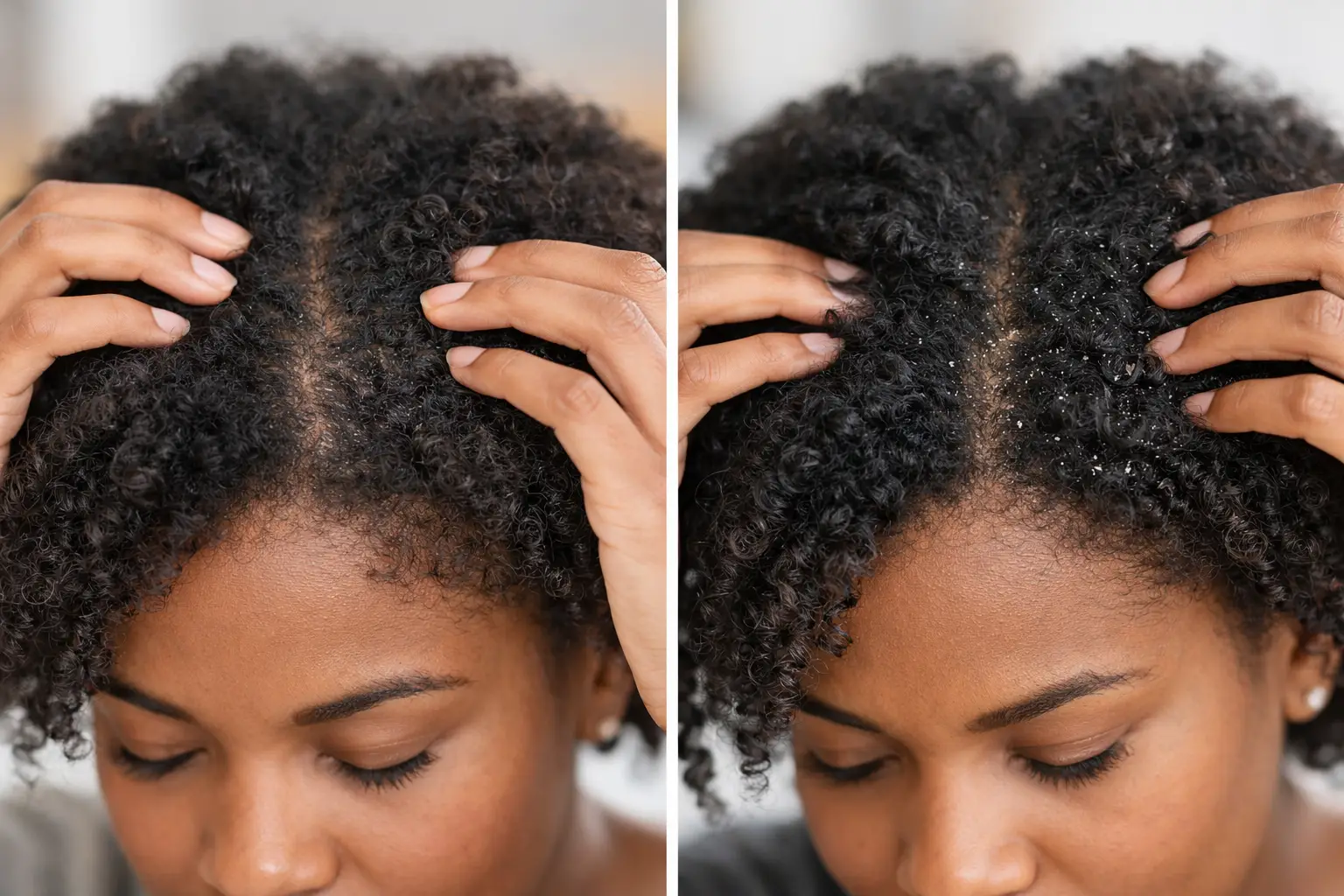
    Dandruff is different. It is often linked to excess oil, scalp imbalance, and yeast activity on the skin. The flakes can be larger, slightly yellow or white, and they often cling to the scalp or hair rather than falling away like dry skin. Itching can be stronger, and the scalp may look irritated or greasy at the same time.

    This distinction matters because adding richer oils to a scalp that is already struggling with dandruff can sometimes make buildup worse. On the other hand, relying only on strong anti-dandruff products when your real issue is dryness can leave the scalp even more uncomfortable.

    What dry scalp looks and feels like

    Dry scalp tends to show up with fine, powdery flakes. They often fall easily onto dark clothing and may become more noticeable in colder weather or after frequent washing. The scalp can feel sensitive, stretched, or rough. Some people also notice dryness around the hairline, ears, or forehead.

    The cause is usually straightforward. The scalp is skin, and when skin loses moisture, it becomes more reactive. Hot showers, over-cleansing, alcohol-heavy styling products, and fragranced formulas can all contribute. Even a product that works well for someone else can leave your scalp feeling depleted if your skin barrier is already vulnerable.

    If you also have dry skin on other parts of your body, that is another clue. A dry scalp often does not act alone.

    What dandruff looks and feels like

    Dandruff usually presents with more persistent flaking and a scalp that seems both itchy and oily. The flakes are often larger than dry scalp flakes, and they may collect near the roots. Some people notice patches rather than an even dusting. Redness can appear too, especially when scratching is frequent.

    This is why dandruff can feel confusing. Many people assume flakes always mean dryness, but dandruff often happens on scalps that produce plenty of oil. That oil can feed the imbalance that contributes to flaking, irritation, and ongoing discomfort.

    Dandruff can also be more stubborn. If you have been moisturizing your scalp consistently and the flakes keep returning, or the scalp feels greasy within a day or two of washing, dandruff becomes more likely.

    Dry scalp vs dandruff signs to compare

    When you are trying to tell the difference, look at the whole scalp experience, not just one symptom. Dry scalp is more likely when flakes are small and dry, the skin feels tight, and symptoms get worse in dry weather or after washing. Dandruff is more likely when flakes are larger, the scalp feels oily or irritated, and the issue keeps coming back despite using moisturizing products.

    It also helps to notice timing. Dry scalp can flare quickly after using a harsh shampoo or after spending time in cold, low-humidity conditions. Dandruff tends to linger and cycle, especially during stress, sweating, product buildup, or inconsistent scalp cleansing.

    There is some overlap, and that is where people get frustrated. A scalp can be irritated, flaky, and out of balance at the same time. If you have dandruff and use aggressive products, you may also create dryness on top of it. The goal is not just to remove flakes. It is to restore scalp comfort without pushing the skin further out of balance.

    Common triggers that make both worse

    Some triggers do not care whether your flakes come from dryness or dandruff. Product buildup is one of them. Heavy styling creams, dry shampoo, and infrequent cleansing can leave residue on the scalp that traps oil, sweat, and irritation.

    Weather plays a role too. Dry winter air can worsen a dry scalp, while heat and sweat can aggravate dandruff. Stress is another factor. It may not cause flakes by itself, but it can make inflammation and sensitivity more noticeable.

    Then there is overcorrection. Washing too often with harsh cleansers can strip the scalp. Washing too little when dandruff is present can allow oil and buildup to sit longer than they should. Healthy scalp care usually lives in the middle – clean enough to stay balanced, gentle enough to stay comfortable.

    How to care for a dry scalp

    If your scalp is dry, focus on hydration and barrier support. Use a gentle shampoo that cleans without leaving the scalp squeaky or tight. Look for nourishing botanical oils, soothing herbal ingredients, and formulas that help the skin hold moisture rather than just remove residue.

    Keep water temperature warm, not hot. Hot water can feel good in the moment but often leaves dry skin worse afterward. Try to reduce anything that adds unnecessary stress to the scalp, including excessive scratching, strong fragrance, and frequent use of drying styling products.

    A well-formulated scalp treatment can help, especially one designed to calm discomfort while supporting moisture balance. This is where ingredient quality matters. Lightweight natural oils and herbal support can nourish the scalp without making hair feel heavy.

    How to care for dandruff

    When dandruff is the issue, the goal is scalp balance. You want to remove excess oil, reduce visible flaking, and calm irritation without creating more dryness. A targeted anti-dandruff treatment is often the better choice than simply adding more moisture.

    Consistency matters here. Dandruff usually does not improve from one wash or one treatment. A scalp-focused routine used regularly tends to work better than switching products every few days. If your scalp is flaky and oily, cleansing on a steady schedule can be more helpful than waiting until discomfort becomes severe.

    Natural care can still be effective, especially when it is designed with function in mind. Herbal ingredients that help soothe the scalp and keep it clean can support visible improvement while fitting an ingredient-conscious routine. For people who want a gentler path, that balance is often the main concern.

    When your scalp needs both soothing and treatment

    Sometimes the answer is not dry scalp or dandruff. It is both, or it changes with the season, your routine, or the products you use. A person may deal with dandruff at the crown and dryness around the hairline. Someone else may start with dandruff, then create dryness by overusing harsh treatments.

    That is why paying attention to your scalp response matters more than following a trend. If a product removes flakes but leaves your scalp raw, it is not the right long-term fit. If a moisturizing product feels good but the flaking keeps returning, it may not be addressing the real cause.

    A balanced routine often includes a cleansing step that respects the scalp barrier and a treatment step that targets your main concern. Mimea Herb approaches this with a practical, plant-based mindset – support hydration where the scalp is dry, and use focused anti-dandruff care where imbalance is driving persistent flakes.

    When to get professional advice

    If the flaking is severe, painful, or spreading beyond the scalp, it is time to get expert guidance. The same applies if you notice thick patches, significant redness, or hair shedding that feels out of the ordinary. Not every flaky scalp issue is simple dryness or dandruff.

    Conditions such as seborrheic dermatitis, psoriasis, eczema, or contact reactions can look similar at first. If home care is not helping after a few weeks, a dermatologist can help identify what is really going on.

    The good news is that many scalp concerns do improve once the cause is clear. The right care is usually less about doing more and more about doing what fits your scalp.

    Your scalp gives you useful signals when you slow down enough to notice them. Small, dry flakes and tightness ask for hydration. Persistent flakes, oiliness, and irritation ask for a more targeted response. When you treat the cause instead of just brushing away the evidence, comfort and confidence usually follow.

  • Best Shampoo for Sensitive Scalp Needs

    Best Shampoo for Sensitive Scalp Needs

    If your scalp feels tight after washing, starts itching by midday, or reacts badly to heavily fragranced products, the problem may not be your hair at all. The right shampoo for sensitive scalp concerns should do more than clean. It should calm irritation, support moisture balance, and help your scalp feel comfortable enough to stay out of your way.

    A sensitive scalp is not always easy to define because the symptoms overlap with dryness, dandruff, product buildup, and even stress. Some people notice redness or a stinging feeling during washing. Others deal with flakes that look like dandruff but are actually caused by irritation and dehydration. That is why choosing shampoo based on marketing alone often leads to frustration. A scalp that feels reactive needs a formula built around comfort, not just foam.

    What makes a scalp feel sensitive?

    In simple terms, a sensitive scalp has a lower tolerance for irritation. That irritation can come from harsh surfactants, strong fragrance, drying alcohols, over-washing, weather changes, or underlying scalp conditions. Even products that make hair feel clean can leave the scalp stripped and unsettled.

    There is also a difference between occasional sensitivity and an ongoing scalp issue. If your discomfort shows up after switching products, your scalp may be reacting to ingredients or over-cleansing. If the itching, flaking, or redness stays consistent for weeks, it may be worth looking more closely at dandruff, dermatitis, or another condition. In that case, shampoo still matters, but so does getting clarity on the cause.

    How to choose a shampoo for sensitive scalp care

    The best formula is usually the one that cleans effectively without pushing your scalp into defense mode. That means looking beyond buzzwords and focusing on how the ingredients are likely to perform.

    Gentle cleansing agents matter because they remove oil, sweat, and buildup without stripping the scalp barrier. If a shampoo leaves your hair squeaky but your scalp dry, that clean feeling may be too aggressive. A balanced wash should leave the scalp fresh, not raw.

    Hydrating support matters just as much. Sensitive scalps often benefit from ingredients that help reduce dryness and reinforce comfort, especially botanical oils, herbal extracts, aloe-based support, or moisture-binding ingredients. When the scalp is better hydrated, it is often less reactive.

    Fragrance is another important factor. Some people with scalp sensitivity tolerate light natural scent well, while others do better with very low-fragrance or fragrance-free formulas. There is no universal rule here. It depends on what triggers your skin.

    Texture and residue also deserve attention. Heavy formulas can help very dry scalps, but they may feel too rich for fine hair or scalps prone to buildup. On the other hand, very clarifying shampoos can work against scalp comfort when used too often. The best match depends on your oil level, hair type, and how frequently you wash.

    Ingredients that often help sensitive scalps

    When people search for relief, they often focus on what to avoid. That matters, but what you include in your routine is just as important. A well-formulated shampoo for sensitive scalp comfort often features botanical and conditioning ingredients that work with the scalp instead of against it.

    Herbal ingredients can be especially useful when they are chosen for a clear purpose. Soothing plant extracts may help reduce that hot, itchy feeling some people experience after washing. Nourishing oils can support moisture retention and help soften dry areas on the scalp. Aloe, tea tree, rosemary, peppermint, neem, and similar botanicals are often used in scalp-focused care, but the formula matters more than the ingredient list alone. A strong essential-oil-heavy blend can still be too stimulating for some users, even if the ingredients sound natural.

    That is one reason ingredient-conscious shoppers tend to do best with balanced products. The goal is not to overwhelm the scalp with actives. It is to create a routine that cleans, hydrates, and supports a healthier scalp environment over time.

    What to avoid if your scalp reacts easily

    Harsh detergents are often the first issue, especially if your scalp already feels dry or tight. Strong synthetic fragrance can also be a trigger. For some people, frequent use of exfoliating acids, heavy styling residue, or alcohol-heavy scalp products can increase irritation rather than solve it.

    That said, not every commonly avoided ingredient is automatically bad for every person. Some people do well with medicated shampoos for specific conditions. Others need occasional deeper cleansing to manage oil and flakes. Sensitive scalp care is less about following a rigid ingredient blacklist and more about noticing what consistently helps or hurts.

    If your scalp reacts easily, introduce new products slowly. Use one new shampoo for a couple of weeks before adding anything else. That makes it easier to tell whether your scalp is improving or just cycling through new irritation.

    Washing habits matter more than most people think

    A good shampoo can only do so much if the routine around it keeps the scalp stressed. Water temperature, washing frequency, and even how you lather can affect sensitivity.

    Very hot water tends to worsen dryness and irritation. A lukewarm rinse is usually a better choice for keeping the scalp comfortable. Scrubbing aggressively with fingernails can also make a sensitive scalp feel worse, especially if there are already irritated patches. Gentle fingertip massage is enough to cleanse thoroughly.

    Frequency depends on your scalp type. If your scalp is oily, washing too infrequently can allow sweat and buildup to linger, which may increase itching. If your scalp is dry, washing too often may strip away the little moisture it has. Many people do best with a middle ground – regular cleansing with a gentle formula rather than swinging between over-washing and waiting too long.

    Sensitive scalp and dandruff are not always the same

    This is where many routines go off track. Flaking does not always mean classic dandruff, and reaching for the strongest anti-dandruff shampoo available can backfire if the real issue is dryness or irritation.

    Dandruff is often linked to excess oil and yeast activity, while a dry sensitive scalp tends to produce smaller, drier flakes along with tightness or itchiness. Sometimes both problems exist at once. In that case, you need a shampoo that addresses scalp balance without making the barrier more compromised.

    For people dealing with both itch and flakes, herbal scalp-support products can make sense as part of a broader routine, especially when they are designed to nourish while helping reduce visible scalp discomfort. This is where a brand like Mimea Herb fits naturally – ingredient-conscious care works best when it treats the scalp as skin that needs support, not just a problem to strip clean.

    What results should you realistically expect?

    A gentle shampoo can improve comfort fairly quickly if your scalp has simply been irritated by the wrong products. You may notice less tightness, less itching after washing, and fewer dry flakes within the first few uses. But if your scalp has been inflamed for a while, visible improvement can take longer.

    Healthier scalp care is usually gradual. The first goal is reducing irritation. The next is maintaining enough balance that your scalp stays calm between wash days. Hair appearance often improves along the way because when the scalp is less stressed, hair tends to look fresher, feel softer, and shed less from breakage caused by dryness and rough handling.

    It is also worth being realistic about limitations. Shampoo rinses off. That means it can support scalp health, but it may not solve every issue on its own. If you have persistent dandruff, severe itching, or patchy redness, a full routine may be needed, and in some cases professional evaluation is the better next step.

    A simple way to build a better scalp routine

    Start with one dependable shampoo that prioritizes gentle cleansing and moisture support. Use it consistently enough to learn how your scalp responds. If your hair needs extra hydration, follow with a lightweight conditioner focused on the lengths while keeping the scalp area balanced. If flakes or itch remain, consider adding a targeted scalp treatment rather than immediately replacing everything.

    Keep styling products in check, especially anything that leaves heavy residue at the roots. Wash brushes regularly. Pay attention to seasonal shifts, since cold air, indoor heat, and summer sweat can all change how your scalp behaves.

    Most of all, choose products that respect the scalp barrier. A sensitive scalp does not need to be pushed harder. It needs care that is calm, nourishing, and effective enough to restore confidence in your routine.

    When your scalp feels comfortable, everything else gets easier – your wash days, your styling, and the way your hair looks and feels from the root up.

  • Best Shampoo for Weak Thinning Hair

    Best Shampoo for Weak Thinning Hair

    When your hair starts feeling finer in the shower, flatter at the roots, or easier to break when you brush, the product you use most often deserves a closer look. The right shampoo for weak thinning hair should do more than clean – it should support scalp comfort, reduce unnecessary stress on fragile strands, and help create better conditions for healthier-looking growth.

    Not every thinning pattern has the same cause. For some people, it follows stress, age, hormones, or seasonal shedding. For others, the bigger issue is dryness, irritation, product buildup, or over-washing with harsh formulas. That is why a good shampoo is not a cure-all, but it can be an important part of a more supportive routine.

    What weak thinning hair actually needs

    Weak thinning hair usually needs two things at once: gentle cleansing and meaningful nourishment. If a shampoo strips too aggressively, hair can feel rougher, look dull, and break more easily. If it is too heavy, it can leave the scalp congested and the hair limp. The balance matters.

    A helpful formula focuses on scalp health first. Healthy-looking hair growth begins at the scalp, so ingredients that help calm dryness, reduce itch, and maintain hydration often do more than formulas that simply promise volume. Hair that is already thinning tends to show stress quickly. Even mild scalp discomfort can lead to scratching, inflammation, or inconsistent cleansing habits that make the situation worse.

    The second priority is strand integrity. Weak hair benefits from shampoos that leave it softer, smoother, and less prone to snapping during washing and styling. That means looking for formulas that support moisture, reduce friction, and avoid turning every wash day into a stress test.

    How to choose a shampoo for weak thinning hair

    Start with the ingredient story, not the label claims. Words like strengthening, thickening, and energizing can sound promising, but the formula matters more than the front of the bottle. A well-made shampoo for weak thinning hair should cleanse without leaving the scalp tight or the hair squeaky.

    Botanical ingredients can be especially helpful here when they are selected for function, not marketing. Herbal extracts and plant oils are often used to support hydration, soothe irritation, and improve the overall feel of the hair. That matters because weak hair usually responds better to care that restores balance than to aggressive treatment.

    Look for formulas that help nourish both scalp and strands. Herbal blends, lightweight moisturizing oils, and ingredients known for supporting scalp comfort can make a noticeable difference over time. If your scalp often feels itchy, flaky, or dry, that is not a side issue. It is part of the same conversation.

    At the same time, be realistic about what shampoo can and cannot do. A shampoo cannot reverse every cause of thinning, especially when genetics or medical conditions are involved. What it can do is reduce avoidable damage, improve the look and feel of your hair, and support a healthier routine that does not work against your scalp.

    Ingredients that tend to help

    For people shopping with an ingredient-conscious mindset, a few categories are worth paying attention to. Herbal ingredients that support scalp comfort can be valuable if thinning is paired with dryness, sensitivity, or dandruff. Moisturizing oils can help weak strands stay more flexible, which may reduce breakage. Gentle cleansers matter just as much, because a harsh base can cancel out the benefits of the more nourishing ingredients.

    This is where natural hair care often stands apart when it is done well. A botanical formula should not just sound clean. It should deliver practical results like a calmer scalp, better hydration, and hair that feels less brittle after rinsing. That is the difference between a product that fits a wellness routine and one that only looks appealing on the shelf.

    Some people also benefit from ingredients associated with scalp stimulation and circulation support, but those should still be part of a balanced formula. If a shampoo feels overly intense, strongly fragranced, or drying, it may not be the right match for fragile hair, no matter how impressive the ingredient list appears.

    What to avoid if your hair is thinning

    The wrong shampoo can make weak hair look worse very quickly. Strong detergents, drying alcohols in high amounts, and formulas that leave the scalp stripped can increase roughness and breakage. Heavy residue can also be a problem, especially if the scalp already feels congested or oily between washes.

    Overly fragranced products can be another issue for sensitive scalps. If your scalp is already irritated, perfume-heavy formulas may leave it more reactive. That does not mean every scented product is bad, but it does mean comfort should come first.

    Be careful with shampoos that promise dramatic thickening after one use. Some create that effect with coating ingredients that temporarily make hair feel fuller while doing very little for actual hair health. For weak thinning hair, long-term support is usually more valuable than a short-lived cosmetic result.

    Why scalp comfort matters more than most people think

    People often focus on the strands they can see and overlook the scalp underneath. But if your scalp is dry, itchy, flaky, or inflamed, your routine is already off balance. Healthy-looking hair is easier to support when the scalp is clean, comfortable, and not under constant stress.

    That is one reason herbal care can be such a strong fit for this category. A well-formulated botanical shampoo can help cleanse away buildup while still respecting the scalp barrier. When your scalp feels balanced, it is easier to stay consistent with washing, scalp massage, and overall care. Consistency often matters more than chasing the strongest treatment.

    For adult men balancing scalp care with beard grooming needs, this matters even more. Dryness and irritation do not always stop at the hairline. A grooming routine built around hydration and comfort tends to feel more sustainable, and sustainable routines are the ones people actually keep.

    How to use shampoo for better results

    Even a good formula can underperform if the washing routine is too rough. Water that is too hot can dry the scalp and leave hair feeling weaker. Scrubbing aggressively with nails can irritate the skin and tangle fragile strands. Rushing through the rinse can leave residue behind.

    A better approach is simple. Wet the hair thoroughly, use a moderate amount of shampoo, and massage it into the scalp with your fingertips instead of scraping with your nails. Let the lather move through the lengths without rough handling. Then rinse completely. If you use styling products or deal with buildup, a second gentle wash may help, but daily over-washing is not always the answer.

    Follow with moisture where needed. Weak hair often benefits from a routine that does not stop at cleansing. If the scalp is dry or the strands feel brittle, adding hydration through compatible products can help preserve softness and reduce breakage between washes.

    When a natural shampoo is the better choice

    A natural or herbal shampoo makes the most sense when your hair concerns are connected to dryness, scalp discomfort, buildup, or sensitivity to harsh formulas. In those cases, choosing a product built around nourishment and comfort can improve the condition of both your scalp and hair over time.

    This does not mean every natural shampoo is automatically effective. Some are too mild to cleanse well, while others rely on appealing ingredient names without enough performance behind them. The best formulas are the ones that combine plant-based care with clear purpose: clean gently, hydrate well, support the scalp, and leave the hair feeling stronger rather than stripped.

    That practical balance is what many people are looking for now. They do not just want cleaner labels. They want products that help them feel more confident in the mirror and more comfortable in their routine.

    For shoppers who prefer plant-based grooming with visible benefits, Mimea Herb reflects that approach well. The focus is not on covering up hair concerns with cosmetic claims, but on using herbal care to support hydration, nourishment, and healthier hair and scalp habits.

    What to expect over time

    The best shampoo for weak thinning hair usually shows its value in small, steady improvements. Your scalp may feel less itchy. Your hair may be easier to wash without tangling. Breakage may appear reduced, and your hair may look a little fuller simply because it is less dry and stressed.

    Results depend on the cause of thinning. If the issue is mostly breakage and scalp imbalance, the right shampoo can make a visible difference. If thinning is more advanced or linked to hormones or health conditions, shampoo should be seen as supportive care, not a complete fix. That is still worthwhile. Better cleansing, better hydration, and better scalp comfort can all help your hair look and feel more resilient.

    If your hair has been asking for a gentler routine, listen to that early signal. A shampoo should not leave you feeling stripped, irritated, or uncertain after every wash. The right one supports your scalp, respects fragile strands, and gives your hair a healthier foundation to grow from.

  • Plant Based Dandruff Treatment That Works

    Plant Based Dandruff Treatment That Works

    Flakes on a dark shirt are frustrating. A tight, itchy scalp is worse. If you are looking for a plant based dandruff treatment, the goal is not to mask the problem for a day. It is to calm the scalp, reduce visible flaking, and support a healthier moisture balance so irritation is less likely to keep coming back.

    Dandruff is often treated like a simple cosmetic issue, but most people know it feels more personal than that. When your scalp is uncomfortable, your whole grooming routine can feel off. You may wash more often, scrub harder, or switch products constantly, only to end up with more dryness and more flakes. A better approach starts with understanding what your scalp actually needs.

    What a plant based dandruff treatment should do

    A good plant based dandruff treatment should do three things at once. It should help loosen and reduce flakes, soothe irritation, and support the scalp barrier so dryness does not keep triggering the same cycle. That balance matters.

    Some dandruff formulas work fast but leave the scalp stripped. You see fewer flakes for a short time, but then tightness, itching, and irritation return. Plant-based care can be especially helpful here because many botanical ingredients are naturally rich in fatty acids, calming compounds, and lightweight moisture that support the skin rather than overwhelming it.

    That does not mean every natural product is automatically effective. Oils that are too heavy can sit on the scalp and create buildup. Strong essential oils can irritate sensitive skin if the formula is not well balanced. The best results usually come from herbal ingredients chosen for a clear purpose, not from a long ingredient list that only sounds impressive.

    Why dandruff happens in the first place

    Dandruff is usually linked to a mix of oil levels, scalp sensitivity, product buildup, and a yeast that naturally lives on the skin. For some people, the issue is mostly dry scalp. For others, it is irritation combined with excess oil. That is why one person improves by hydrating the scalp, while another needs better cleansing and less buildup.

    This is also why treating dandruff with a one-size-fits-all routine often falls short. If your scalp is already irritated, harsh cleansers can make it worse. If your scalp is oily and congested, heavy butters and thick oils can increase flaking instead of reducing it. The right routine depends on whether your scalp is dry, reactive, oily, or dealing with all three at different times.

    Season, stress, sweat, and grooming habits can all affect the scalp. Colder weather often brings more dryness. Hot weather, hats, and workouts can increase oil and buildup. Beard wearers may notice a similar pattern under facial hair, where the skin becomes dry, itchy, and flaky because moisture is trapped unevenly or cleansers are too aggressive.

    The botanical ingredients worth looking for

    When choosing a plant based dandruff treatment, look past the marketing and focus on function. Herbal oils and plant extracts should earn their place in the formula by doing something useful for scalp comfort.

    Tea tree is often used because it helps freshen the scalp and support a cleaner environment when flaking is linked to oil and buildup. It can be effective, but strength matters. Too much can feel harsh on sensitive skin.

    Neem is another well-known botanical for scalp care. It is valued for helping address visible flaking and discomfort while supporting overall scalp balance. Rosemary is often included to help invigorate the scalp and complement a healthy grooming routine focused on stronger-looking hair.

    Aloe vera is especially helpful when itching and dryness are part of the picture. It brings light hydration and a cooling feel without making the scalp greasy. Jojoba oil works differently. Because it is lightweight and similar to the skin’s natural oils, it can help soften flakes and support moisture balance without the heaviness of richer oils.

    Other supportive ingredients include peppermint in gentle amounts, black seed oil, coconut-derived cleansers, and nourishing herbal infusions that help the scalp feel calmer and more comfortable. The formula matters more than any single ingredient. A scalp treatment should feel supportive, not intense.

    How to use plant based dandruff treatment for real results

    Consistency matters more than intensity. Scrubbing your scalp aggressively or applying too much product rarely improves dandruff. In many cases, it adds irritation and keeps the cycle going.

    Start with a gentle cleansing routine. Shampoo often enough to remove oil, sweat, and buildup, but not so often that the scalp feels stripped. For some people, that means every other day. For others, two to three times a week is enough. If flakes increase quickly after sweating or using styling products, cleansing frequency may need to go up.

    Use your fingertips, not your nails, to massage the scalp. This helps lift buildup without damaging the skin. Let the shampoo sit briefly before rinsing so the active botanicals have time to do their job.

    If you use a scalp oil or herbal treatment, apply a small amount directly to the scalp instead of coating the hair only. Focus on dry, itchy areas. A few drops can be enough. More is not always better, especially if your scalp tends to run oily.

    If your dandruff shows up in the beard area, cleanse the skin under the beard, not just the beard hair itself. Then follow with a lightweight botanical oil that helps soften hair and hydrate the skin underneath. This is one of the easiest ways to reduce beard flakes and the itch that often comes with them.

    What to avoid if your scalp is flaking

    The wrong routine can cancel out a good product. Very hot water can dry the scalp and increase irritation. Heavy styling products can cling to the scalp and create buildup that looks like dandruff or makes existing flakes worse. Strong fragrances and alcohol-heavy formulas may also trigger sensitivity in people whose scalp is already reactive.

    Switching products every few days is another common mistake. A scalp needs time to respond. If a botanical treatment is gentle and well formulated, give it a fair trial before deciding it is not working. At the same time, if a product burns, causes redness, or seems to increase flaking, that is a sign to stop.

    When plant based care works best

    A plant based dandruff treatment tends to work best for mild to moderate dandruff, dry scalp discomfort, seasonal flaking, beard dandruff, and ongoing maintenance after the scalp has improved. It is a strong option for people who want a more ingredient-conscious routine and do not want to rely only on harsh cleansers.

    It can also be a practical choice for people who value daily comfort as much as appearance. A calmer scalp usually means less scratching, less visible flaking, and a grooming routine that feels easier to maintain.

    Mimea Herb’s approach fits this need well – using botanical care to nourish the scalp, support hydration, and help reduce the discomfort that makes dandruff harder to manage.

    When you may need more than a plant based dandruff treatment

    There are times when flakes are not just dandruff. If you have thick scales, persistent redness, cracking, bleeding, or severe irritation, it may be time to speak with a dermatologist. Conditions like seborrheic dermatitis, psoriasis, eczema, or fungal-related issues can look similar at first but need a more specific plan.

    Plant-based care can still play a supportive role in a broader routine, especially for hydration and comfort, but it should not replace medical guidance when symptoms are intense or ongoing.

    Building a routine your scalp can stick with

    The best scalp routine is one you can repeat without overthinking it. Cleanse gently, treat the scalp with purposeful botanical ingredients, and pay attention to how your skin responds over time. If your scalp feels calmer, less itchy, and less flaky week after week, you are moving in the right direction.

    Healthy grooming does not need to be harsh to be effective. Sometimes the strongest results come from giving the scalp what it has been missing all along – steady care, balanced moisture, and ingredients chosen to restore comfort instead of fighting the skin. That is where plant-based treatment can make a real difference.

  • Herbal Remedies for Itchy Scalp That Help

    Herbal Remedies for Itchy Scalp That Help

    An itchy scalp rarely stays a small problem for long. What starts as occasional irritation can turn into constant scratching, visible flakes, tightness after washing, and a scalp that never seems fully comfortable. That is why many people start looking for herbal remedies for itchy scalp – not just to cover the symptom, but to calm the root cause in a gentler, more restorative way.

    Herbal care can be especially helpful when the scalp is reacting to dryness, product buildup, overwashing, or harsh ingredients. The goal is not to overwhelm the scalp with stronger and stronger formulas. It is to bring it back into balance with ingredients that nourish, hydrate, and soothe while supporting a healthier scalp environment over time.

    Why an itchy scalp happens in the first place

    Scalp irritation has several possible causes, and the right solution depends on which one is driving the discomfort. Dry skin is one of the most common. When the scalp loses moisture, it can feel tight, flaky, and sensitive, especially in colder weather or after frequent shampooing.

    Dandruff is another major trigger. Unlike simple dryness, dandruff often involves excess oil, flaking, and irritation linked to an imbalance on the scalp. Product residue can also create itching, particularly when heavy styling products, fragranced formulas, or poorly rinsed shampoos build up around the roots.

    Then there is sensitivity. Some scalps react quickly to sulfates, synthetic fragrance, alcohol-heavy formulas, or overuse of exfoliating treatments. In those cases, even a product marketed as clarifying can make the problem worse.

    This is where herbal scalp care tends to stand out. Instead of taking an aggressive strip-and-reset approach, it usually focuses on calming inflammation, restoring moisture, and supporting the scalp barrier.

    Herbal remedies for itchy scalp that support real relief

    Not every botanical ingredient works the same way. Some herbs are better for soothing, others for cleansing, and others for balancing flakes and oil. The most useful herbal remedies for itchy scalp are the ones that match your scalp’s condition instead of treating every itch the same.

    Aloe vera for cooling hydration

    Aloe vera is one of the most trusted plant-based ingredients for scalp discomfort because it addresses two common issues at once – irritation and dehydration. It has a naturally cooling feel, and it can help reduce the tight, dry sensation that often leads to scratching.

    For a dry or mildly irritated scalp, aloe-based treatments can be a simple starting point. They are especially helpful after sun exposure, frequent washing, or seasonal dryness. Aloe is usually well tolerated, but formula matters. A lightweight, clean scalp treatment tends to perform better than a sticky gel loaded with additives.

    Tea tree for flakes and buildup

    Tea tree is widely used when itchiness comes with visible flakes or an oily scalp. It has clarifying properties that can help reduce the conditions that allow dandruff-related irritation to linger. That said, stronger is not always better.

    Pure tea tree oil should not be applied directly to the scalp. It needs to be diluted properly in a carrier oil or used in a balanced shampoo or scalp treatment. For some people, too much tea tree can feel drying, so it works best in formulas that also include hydrating ingredients.

    Neem for dandruff-prone scalps

    Neem has a long history in herbal personal care, especially for scalps that struggle with persistent flaking and irritation. It is often used when the scalp feels both itchy and unclean shortly after washing. Neem can help support a clearer scalp environment without the harshness of more aggressive treatments.

    Its scent is naturally strong, which some people do not love, but performance tends to matter more when the scalp is uncomfortable. In a well-balanced formula, neem can be a practical option for ongoing scalp maintenance.

    Chamomile and calendula for sensitivity

    When the scalp is reactive, inflamed, or irritated by fragranced or harsh products, gentler botanicals make more sense than strong exfoliants. Chamomile and calendula are often used for their soothing properties and are well suited to sensitive scalp care.

    These herbs are less about deep cleansing and more about comfort. They can help reduce that raw, aggravated feeling that follows scratching or over-treatment. If your scalp gets worse every time you try a new anti-dandruff product, this is often the direction worth taking.

    Rosemary for scalp support

    Rosemary is often associated with healthy hair routines, but it can also play a role in scalp comfort. It helps support circulation and can be useful in formulas designed to refresh and maintain the scalp. Rosemary works best as part of a broader routine rather than as a standalone fix for severe itching.

    For people dealing with mild irritation, dull hair, and occasional flakes, rosemary can be a strong supporting ingredient. It is particularly useful when paired with hydrating oils and mild cleansers.

    Oils can help, but only when they match your scalp

    Many people turn to oils first, and sometimes that works well. If the itch is caused by dryness, a light herbal oil blend can soften the scalp, reduce tightness, and improve comfort between washes. Jojoba, coconut oil, and infused botanical oils are common choices.

    But oils are not automatically the answer. On a scalp with heavy dandruff, buildup, or yeast-related irritation, applying thick oil can make things feel worse. That is the trade-off people often miss. Nourishment is helpful, but the scalp still needs balance and breathability.

    A good rule is to use lighter oiling for dry, flaky scalps and more targeted cleansing care for oily, dandruff-prone scalps. If oil leaves your roots greasy and your scalp still itchy, the issue may not be dryness at all.

    How to use herbal remedies for itchy scalp effectively

    The biggest mistake is trying a good ingredient in the wrong format. A soothing herb in a harsh shampoo may still leave the scalp stripped. A strong essential oil without proper dilution may trigger more irritation than relief. Results depend on both the ingredient and how it is delivered.

    Start with a gentle herbal shampoo if your scalp reacts badly to standard cleansers. Look for formulas designed to hydrate while washing away residue. If itchiness is concentrated in certain areas, a scalp treatment can help deliver more targeted relief.

    Consistency matters more than intensity. A scalp that has been irritated for weeks usually does not calm down after one wash. It often improves when you use a balanced routine for a couple of weeks and stop exposing it to the same triggers.

    If you use herbal oils, apply a small amount to the scalp, not a heavy coating. Let it sit briefly, then wash thoroughly. If you use a treatment serum, apply it to a clean scalp so the botanicals are not fighting through layers of buildup.

    What to avoid while your scalp is healing

    Even the best herbal routine can struggle if the rest of your habits keep the scalp inflamed. Very hot water can worsen dryness and sensitivity. Overwashing can strip the scalp, while underwashing can allow oil and residue to accumulate. The right wash frequency depends on your scalp type, but balance is the goal.

    It also helps to be cautious with styling products, heavily fragranced formulas, and any treatment that stings on contact. That tingling sensation is not always a sign that something is working. Sometimes it is just irritation.

    If you wear hats often or use beard and hair products around the hairline, make sure residue is not collecting there. Scalp discomfort can start in the small areas people overlook.

    When natural care is enough, and when it is not

    Herbal care can make a meaningful difference for dryness, mild dandruff, irritation from harsh products, and general scalp imbalance. It is often a smart choice for people who want effective support without relying on overly aggressive formulas.

    Still, there are times when itchiness needs medical attention. If the scalp is bleeding, developing thick patches, swelling, or not improving after a few weeks of gentle care, it may be more than a routine grooming issue. Psoriasis, eczema, fungal conditions, and allergic reactions can all show up as scalp itching.

    Natural care is valuable, but it works best when paired with honest observation. If your scalp is asking for gentler support, herbs can be a strong place to start. If it is showing signs of something more serious, getting the right diagnosis is part of taking good care of it.

    A healthier scalp usually responds to a simpler approach: cleanse without stripping, soothe without smothering, and choose ingredients that do more than make the label sound appealing. That is where herbal care proves its value – not as a quick cover-up, but as a steady path back to comfort, balance, and confidence.