
Category: Uncategorized

  • Natural Ingredients for Healthy Hair Growth

    Natural Ingredients for Healthy Hair Growth

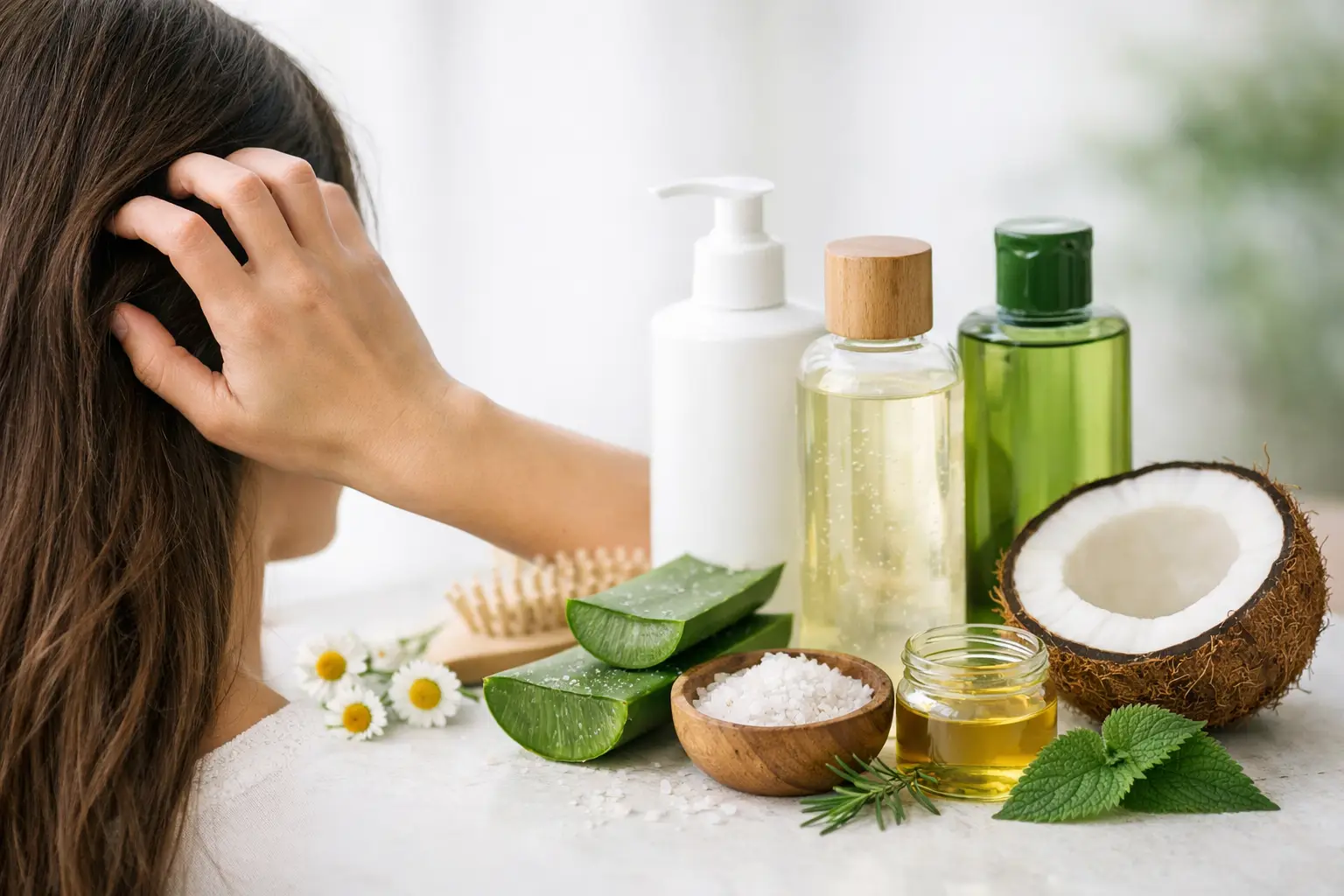
    A dry, itchy scalp can make healthy hair feel out of reach long before breakage becomes obvious. That is why natural ingredients for healthy hair growth matter most at the root level – where scalp comfort, moisture balance, and follicle support work together to create better conditions for stronger hair.

    Hair growth is not usually about one miracle ingredient. It is about consistency, scalp health, and using ingredients that support the hair cycle without creating more irritation. For many people, especially those dealing with dryness, dandruff, weak strands, or patchy beard growth, the best natural approach is one that nourishes first and stimulates second.

    Why natural ingredients matter for healthy hair growth

    Healthy growth starts with the environment around the follicle. When the scalp is inflamed, overly dry, congested with buildup, or stripped by harsh cleansers, hair can become brittle and the growth process can feel slower. Natural oils, herbs, and plant extracts can help restore that environment by hydrating the skin, softening buildup, and supporting a more balanced scalp.

    That does not mean every natural ingredient is automatically gentle or right for every person. Some essential oils can be too strong if they are overused. Some heavier oils can sit on fine hair and make it look flat. The benefit comes from choosing the right ingredients for your needs, then using them in a formula that is balanced and practical enough to stick with.

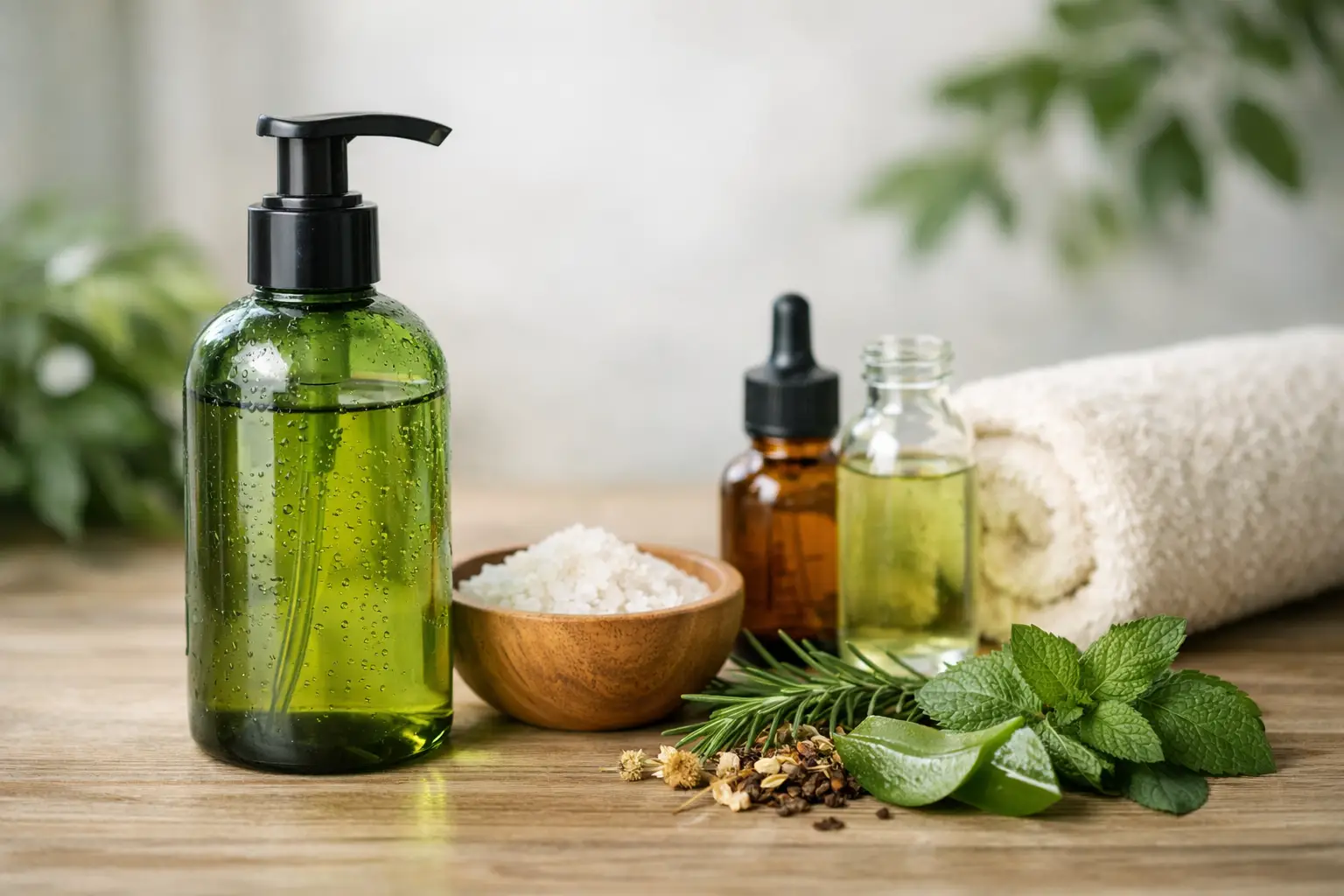
    The best natural ingredients for healthy hair growth

    Rosemary

    Rosemary has earned its reputation for a reason. It is often used to support circulation at the scalp, which may help create a healthier foundation for growth. It is also valued for helping refresh the scalp without relying on aggressive ingredients.

    If your main concern is slow growth or thinning around the hairline or beard area, rosemary is one of the most useful botanicals to look for. It tends to work best when used consistently in scalp oils, growth oils, or well-formulated cleansers rather than as an occasional treatment.

    Peppermint

    Peppermint delivers a cooling sensation that many people associate with a cleaner, fresher scalp. Beyond that feel, it can help energize the scalp environment and reduce the discomfort that often comes with dryness or itchiness.

    There is a trade-off here. Peppermint can feel too intense on sensitive skin if the formula is not properly diluted. For people with an already irritated scalp, comfort should come first. A milder herbal treatment may be the better starting point.

    Castor oil

    Castor oil is widely used for hair and beard care because it is rich, protective, and deeply conditioning. It helps reduce dryness, improves softness, and can make fragile hair feel more resilient. When breakage is part of the problem, that matters. Hair that stays intact looks fuller and grows with less interruption.

    The downside is texture. Castor oil is thick, and not everyone enjoys that weight. It tends to suit coarse, curly, textured, or very dry hair better than fine hair unless it is blended with lighter oils.

    Coconut oil

    Coconut oil is valued for its ability to reduce protein loss in hair, which helps strands stay stronger over time. It is especially useful for dry or damaged hair that breaks easily during washing or grooming.

    Still, coconut oil is not universal. Some people find it leaves their hair stiff or heavy, particularly if they have low-porosity hair. It is a strong option for nourishment, but it works best when the hair responds well to richer moisture.

    Jojoba oil

    Jojoba oil is often one of the easiest oils to live with. It is lightweight, helps soften the scalp, and supports moisture without leaving a greasy finish. Because it closely resembles the skin’s natural oils, it can be especially helpful for people trying to balance dryness and buildup at the same time.

    For beard care, jojoba is particularly useful. It conditions both the beard hair and the skin underneath, which can reduce flaking, tightness, and that rough, brittle feel that makes growth uncomfortable.

    Aloe vera

    Aloe vera is less about stimulation and more about relief. It helps calm irritation, ease dryness, and support hydration at the scalp. If itching, sensitivity, or dandruff-like discomfort is getting in the way of a healthy routine, aloe can make the scalp easier to manage.

    That matters because a comfortable scalp is easier to care for consistently. When washing, moisturizing, and treatment steps stop feeling harsh, people are more likely to stay with the routine long enough to see results.

    Tea tree oil

    Tea tree oil is commonly used when dandruff, itchiness, or excess oil are part of the picture. It helps purify the scalp and can support a cleaner feeling between washes. In anti-dandruff care, it is one of the most practical plant-based ingredients available.

    Like peppermint, concentration matters. Too much can be drying or irritating. In a balanced scalp treatment, though, tea tree can be extremely useful for people whose growth goals are being slowed by scalp discomfort and flaking.

    Black seed oil and herbal blends

    Black seed oil, along with herbs such as nettle, fenugreek, and amla, is often chosen for overall nourishment. These ingredients are popular in traditional hair care because they support scalp comfort, moisture, and hair strength all at once.

    This is where blends often outperform single-ingredient solutions. Hair growth concerns rarely come alone. Dryness, inflammation, breakage, and poor softness usually overlap. A thoughtful herbal formula can address several of those issues in one step.

    Scalp health comes before length

    People often focus on what will make hair grow faster, but faster is not always the first problem to solve. If the scalp is flaky, inflamed, or stripped, growth support should start with repair. The same is true for beard care. If the skin underneath is irritated, beard oil is not just about shine – it is about creating a healthier base for more even, comfortable growth.

    A healthy scalp routine usually includes three things: gentle cleansing, regular nourishment, and targeted treatment when issues like dandruff or itching show up. Skip one of those, and results can stall. Clean too aggressively, and you lose moisture. Moisturize without cleansing properly, and buildup can increase. Treat flakes without restoring hydration, and the scalp can still feel stressed.

    How to choose the right natural ingredients for healthy hair growth

    Start with your main issue. If dryness and breakage are your biggest concerns, richer oils like castor or coconut may help more than cooling stimulants. If your scalp feels itchy or flaky, aloe vera and tea tree may be more useful. If you want a balanced daily option for beard care or scalp hydration, jojoba is often a safer fit.

    It also helps to think in terms of product type. A shampoo should cleanse without stripping. A scalp oil should nourish without clogging or overwhelming the skin. A targeted treatment should calm specific issues like dandruff, irritation, or patchy growth support. The ingredient matters, but so does the form it comes in.

    This is where brands focused on practical herbal care stand apart. At Mimea Herb, the value of botanical grooming is not in making big promises. It is in pairing nourishing herbs and oils with real everyday needs like hydration, scalp comfort, reduced flaking, and stronger-feeling hair.

    What results actually look like

    Natural care tends to work in stages. First, the scalp feels calmer. Then dryness, itching, or rough texture begin to improve. After that, hair often becomes easier to manage, with less breakage and better softness. Visible growth may come later, and it depends on factors like genetics, stress, overall health, and how consistent your routine is.

    That realistic view matters. Natural ingredients can support healthier growth, but they cannot override every cause of hair loss or scalp trouble. If shedding is sudden, severe, or tied to a medical issue, a product alone may not solve it. Good care supports the process. It does not replace diagnosis when something deeper is going on.

    The most effective routine is usually the one you can maintain without irritation, confusion, or product overload. When your scalp feels balanced and your hair stays nourished, growth has a better chance to follow. Start with ingredients that solve the discomfort you feel now, and healthier hair often becomes a more reachable result.
  • Beard Grooming Routine for Beginners

    Beard Grooming Routine for Beginners

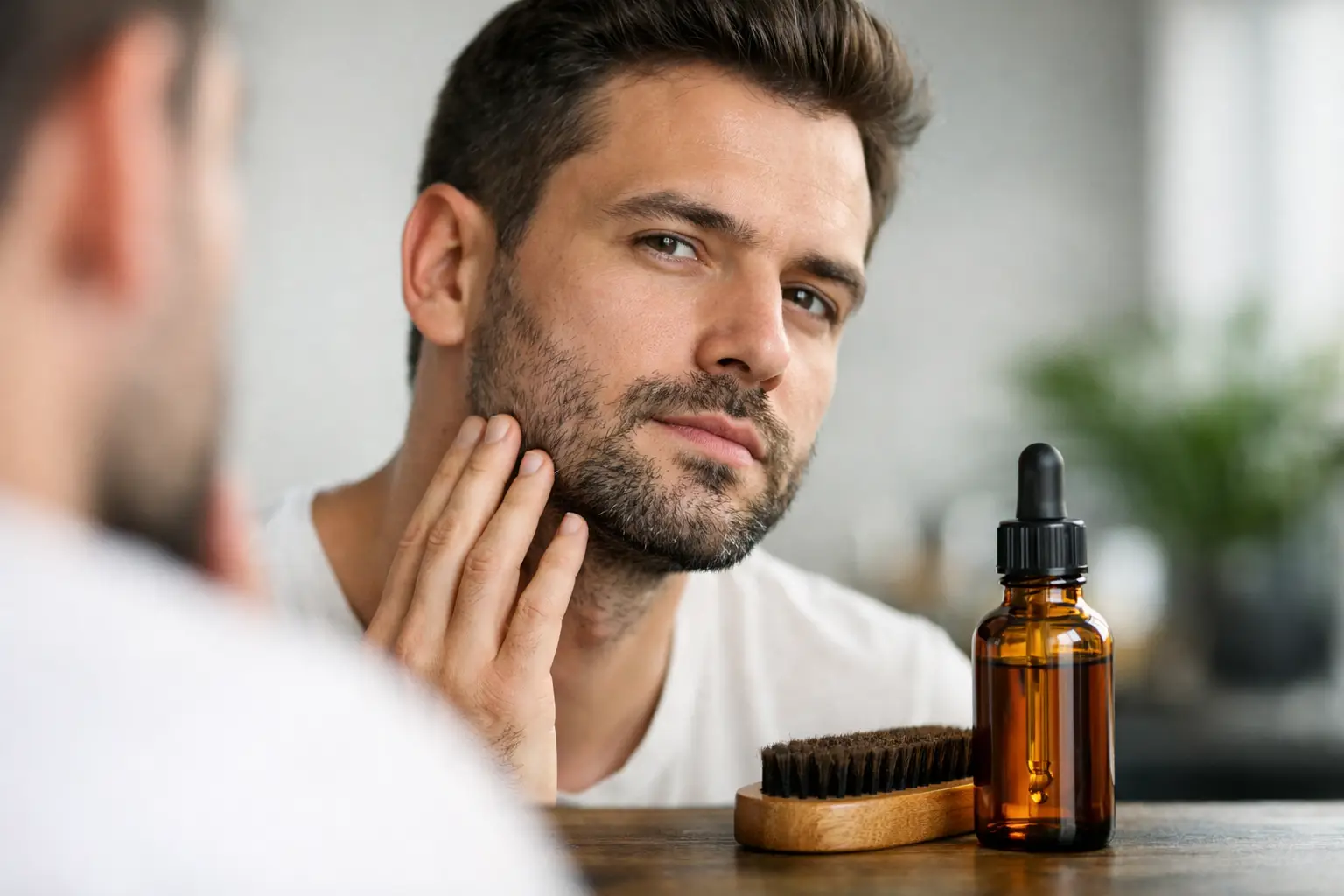
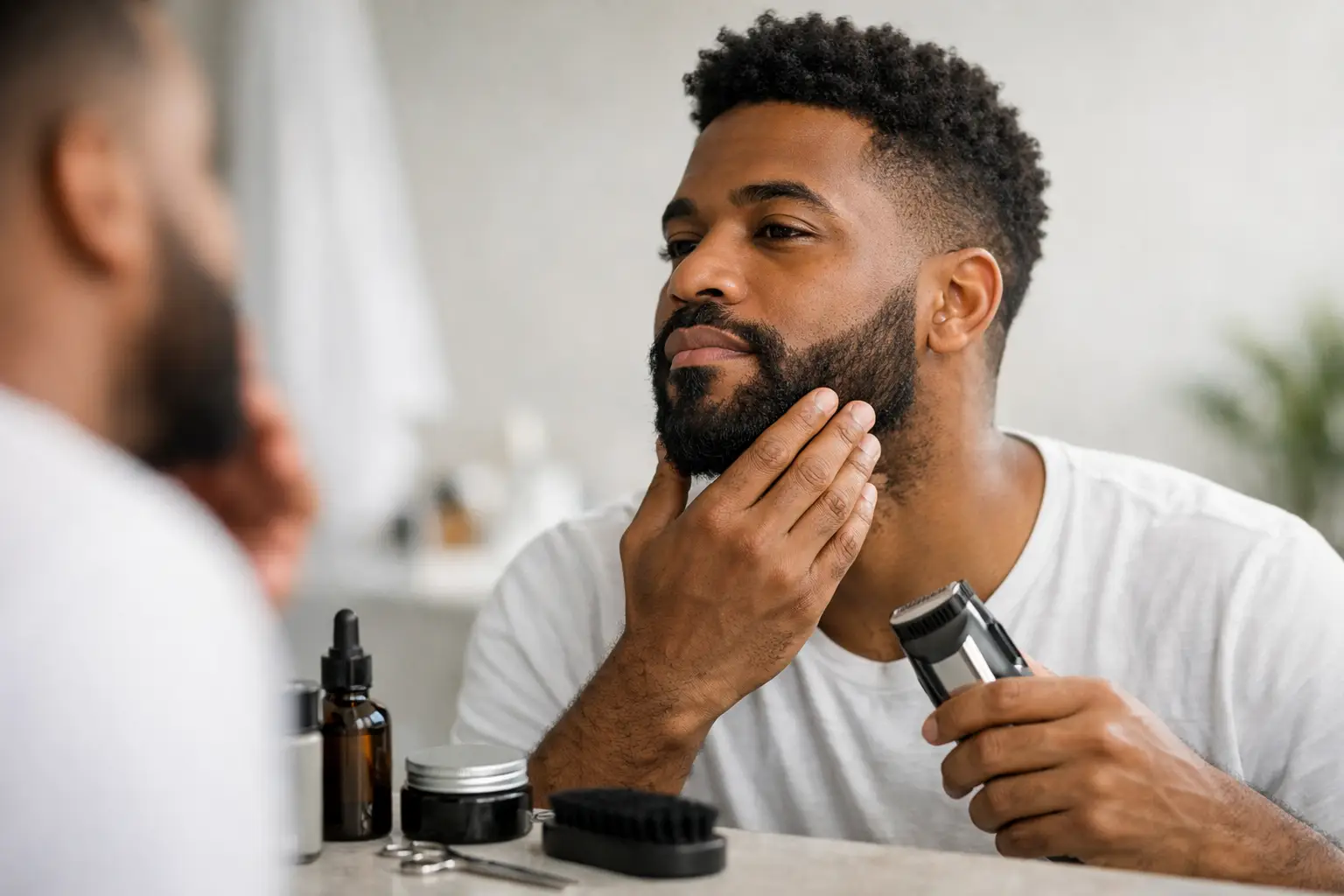
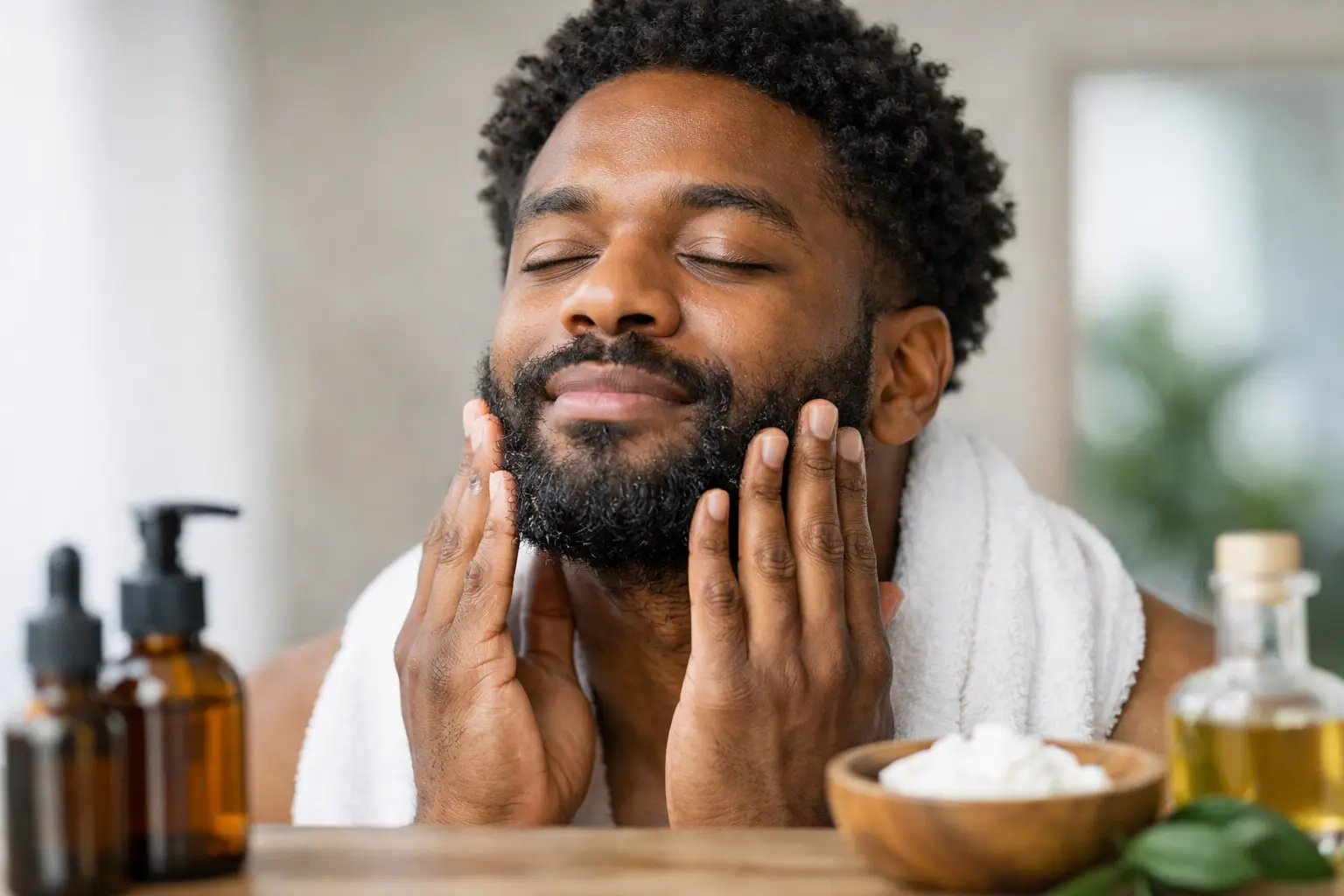
    A new beard usually starts with good intentions and a few frustrating surprises. The shape comes in unevenly, the skin underneath gets dry, and what looked low-maintenance suddenly needs real care. A consistent beard grooming routine for beginners helps you get ahead of that early stage, so your beard feels healthier, looks cleaner, and becomes easier to manage day by day.

    The goal is not perfection. It is comfort, hydration, and steady upkeep. When you start with the basics and use products that support the skin as much as the beard itself, you give new growth a better foundation.

    Why a beginner beard routine matters

    Most early beard problems are not really beard problems. They start with the skin underneath. If your face is dry, irritated, or clogged with buildup, your beard is more likely to feel rough, look dull, and become difficult to style.

    That is why a beginner routine should focus on cleansing gently, keeping moisture in place, and reducing the kind of dryness that leads to itching and flaking. A beard can only look healthy if the skin below it is in good condition.

    There is also a practical side to routine. When you care for your beard consistently, you notice what it needs before small issues turn into bigger ones. Maybe you need more hydration in colder weather. Maybe your skin reacts better when you wash less often. Those details matter, and they are easier to see when you are not guessing every morning.

    The core beard grooming routine for beginners

    A strong beard routine does not need ten products or extra steps. In most cases, beginners do best with a simple pattern they can follow daily and weekly.

    Step 1: Cleanse without stripping

    Your beard collects sweat, oil, food residue, and environmental debris faster than you might expect. Washing helps, but over-washing can dry out both the beard and the skin. For most beginners, cleansing a few times a week with a gentle formula is enough, while rinsing with water on other days can help refresh without causing dryness.

    If your beard feels brittle after washing, the cleanser may be too harsh. A beard-friendly or herbal nourishment shampoo can be a better fit than a standard hair shampoo because it is more likely to support moisture while still removing buildup. That balance matters, especially in the first few months when the beard texture is still changing.

    Step 2: Dry it the right way

    A towel should absorb moisture, not rough up the hair. Pat the beard dry instead of rubbing it aggressively. Harsh drying creates friction, and friction can make a beard feel wiry and look frizzy.

    You do not need to leave it soaking wet before applying oil, but slightly damp hair often responds well to hydration. It helps distribute product more evenly and can leave the beard feeling softer rather than coated.

    Step 3: Use beard oil for hydration and comfort

    For many men, this is the step that changes everything. A quality beard oil helps soften coarse hair, support the skin underneath, and reduce the itch that often makes beginners want to shave everything off.

    Start with a small amount. Warm it between your palms, then work it through the beard and down to the skin. That last part is important. If the oil only sits on top of the hair, the skin below may still stay dry.

    Ingredient quality matters here. Botanical oils and herbal blends can help nourish without making the beard feel heavy. If your main concerns are dryness, roughness, or discomfort during growth, a beard oil with a restorative, plant-based profile is often a smart place to begin.

    Step 4: Comb or brush with a light hand

    Combing helps distribute oil, separate tangled hairs, and train your beard to grow in a cleaner shape. It also makes uneven areas easier to spot, which keeps you from trimming too much too soon.

    A wide-tooth comb works well for shorter or medium beards, while a beard brush can help guide fuller growth. The key is not to overdo it. Aggressive brushing can irritate sensitive skin and create breakage, especially if the beard is still dry.

    Step 5: Trim for shape, not for speed

    Many beginners think frequent trimming makes a beard grow faster. It does not. What trimming can do is help the beard look healthier and more intentional while it fills in.

    Start small. Clean the neckline, tidy the mustache if it hangs over the lip, and remove obvious stray hairs. Resist the urge to reshape the entire beard early on. Growth patterns are still revealing themselves, and cutting too much can make the beard look patchier than it really is.

    How often should you groom?

    A daily rhythm usually works best. Rinse or lightly cleanse as needed, apply beard oil, and comb into place. That takes only a few minutes, but it keeps dryness and tangling from building up.

    A deeper wash and careful trim can happen weekly or every couple of weeks depending on your growth rate and beard length. If you work out often, live in a dry climate, or spend long hours outdoors, your routine may need a little more hydration. If your skin is oily or easily congested, you may need to pay closer attention to cleansing. It depends on your skin, your beard density, and your environment.

    Common beginner mistakes

    The most common mistake is using too much product. More oil does not always mean more hydration. Sometimes it just leaves the beard greasy while the skin underneath still feels neglected because the product was not worked in properly.

    Another mistake is washing too often with strong cleansers. Clean is good. Stripped is not. If your beard feels squeaky or stiff after washing, you have probably gone too far.

    Impatience is another issue. Beards rarely come in evenly at first. One side may look fuller, the cheeks may lag behind, and the mustache may seem to grow at its own pace. That is normal. Good care supports a healthier appearance, but it does not override your natural growth pattern overnight.

    If your beard itches, flakes, or feels rough

    These are early warning signs that your routine needs adjustment. Itching often means the skin is dry or irritated. Flaking can point to dryness, buildup, or a dandruff-like condition affecting the skin beneath the beard. Rough texture usually means the hair needs more consistent moisture and gentler handling.

    This is where natural, ingredient-conscious care can make a real difference. Products designed to nourish with herbal oils and support scalp or skin comfort tend to fit well into a routine focused on long-term beard health, not just surface appearance. Mimea Herb approaches beard and hair care from that restorative angle, which is especially useful when dryness and irritation are part of the problem.

    If flaking is persistent, it may help to treat the skin under the beard with the same attention you would give your scalp. Gentle cleansing, hydration, and anti-dandruff support can all play a role. The right routine does not just improve how your beard looks. It makes the whole experience of growing one more comfortable.

    Building a routine you will actually keep

    The best routine is the one you can repeat without effort. If your approach feels complicated, you are less likely to stay consistent. Beginners usually do well with a straightforward setup: cleanse gently, apply oil, comb through, and trim with restraint.

    From there, pay attention to feedback from your skin and beard. If your beard still feels dry by midday, increase hydration slightly. If it feels weighed down, reduce the amount of product. If flaking continues, address the skin more directly instead of focusing only on the beard hair.

    That kind of consistency builds visible results over time. A beard starts to look fuller when it is not breaking, softer when it is properly hydrated, and more polished when it is cared for with intention.

    A beginner beard does not need a complicated fix. It needs steady care, good ingredients, and a little patience. Start with comfort, support healthy growth, and let your routine do the quiet work of building confidence every day.

  • How to Soften a Dry Beard Naturally

    How to Soften a Dry Beard Naturally

    A beard that feels rough by midday usually is not asking for more styling. It is asking for moisture, balance, and a gentler routine. If you are wondering how to soften a dry beard, the answer is rarely one quick fix. Most dry beards improve when you clean less aggressively, hydrate more consistently, and use nourishing oils that support both the hair and the skin underneath.

    Dryness often shows up as stiffness, scratchiness, frizz, beard dandruff, or an itch that does not seem to go away. In many cases, the beard hair is not the only issue. The skin beneath it may be dry, irritated, or stripped from harsh cleansers and hot water. When that happens, even a well-shaped beard can feel coarse and look dull.

    Why a beard gets dry in the first place

    Beard hair is naturally coarser than the hair on your head. As it grows, it bends, twists, and pulls moisture away more quickly. Facial hair also has a harder time staying conditioned because natural skin oils do not always travel evenly from root to tip, especially once the beard gets longer.

    Your daily habits can make that worse. Washing with strong soap, rinsing with very hot water, and skipping leave-in moisture are common causes. Dry indoor air, sun exposure, wind, and cold weather can also leave the beard brittle. If you already deal with sensitive skin or flaking, the dryness may feel even more pronounced.

    There is also a texture factor. Curly, dense, or wiry beards often feel drier than straighter beards, even when they are healthy. That does not mean the beard is damaged beyond repair. It usually means it needs a more intentional moisture routine.

    How to soften a dry beard without overcomplicating it

    The goal is not to make your beard feel heavy or greasy. The goal is to help it hold moisture, reduce friction, and stay comfortable throughout the day. That usually starts with three things: gentler cleansing, better hydration, and daily conditioning.

    Wash less harshly

    A dry beard does not benefit from being scrubbed aggressively. If you wash it too often with a regular face wash, body wash, or shampoo, you can strip away the little protective oil your beard has. That leaves the hair rough and the skin underneath tight or itchy.

    Use a mild beard cleanser or a gentle herbal wash that focuses on nourishment rather than heavy foam. For many people, washing the beard two to four times a week is enough. On other days, a rinse with lukewarm water can remove sweat and surface buildup without over-drying the hair.

    If you exercise daily or work in a dusty environment, you may need to wash more often. That is where formulation matters. A gentler cleanser can be used more regularly without creating the same stripped feeling.

    Apply beard oil while the beard is slightly damp

    This is one of the simplest ways to improve softness. After washing or rinsing, pat the beard until it is no longer dripping, then apply a beard oil. Slight dampness helps the product spread more evenly and helps seal in hydration.

    Look for oils that nourish without feeling overly slick. Plant-based oils are especially helpful when your beard is dry and the skin underneath feels tight. A well-made beard oil can reduce roughness, calm itch, improve shine, and make the beard easier to comb.

    Use enough to coat the hair lightly, then work it down to the skin. Many people stop at the surface, but the skin is often where the dryness begins. Massage the oil in with your fingertips first, then distribute the rest through the length of the beard.

    Do not ignore the skin underneath

    A beard can never feel fully soft if the skin beneath it is inflamed or flaky. Dry skin lifts, sheds, and creates irritation that affects how the beard sits and feels. If you notice beard dandruff, redness, or persistent itching, focus on scalp-and-skin-friendly care rather than only smoothing the hair.

    That may mean reducing harsh cleansing, adding a more nourishing oil, and avoiding products with a heavy alcohol feel. Botanical ingredients that support comfort and hydration can make a visible difference over time because they help create a healthier foundation for growth.

    The daily habits that make the biggest difference

    Softening a dry beard is often about consistency more than intensity. A few practical habits repeated daily usually do more than occasional heavy treatments.

    Comb and brush with care

    A beard comb or brush helps distribute oil and smooth rough areas, but technique matters. Pulling through knots too aggressively can create breakage and leave the beard looking even drier. Start from the ends if your beard is longer, then work upward gradually.

    If your beard is short, a few passes with a soft beard brush can help train the hair and move oil more evenly across the surface. If it is long or curly, a wide-tooth comb is often gentler. The right tool depends on your beard pattern, not just its length.

    Trim split, damaged ends

    Sometimes dryness is concentrated at the ends. If the tips feel sharp, crunchy, or constantly tangled, trimming a small amount can improve the overall feel quickly. You are not losing progress. You are removing the part of the beard that no longer responds well to moisture.

    This is especially useful if you are growing your beard out and have been focusing only on length. Healthy-looking growth usually comes from maintaining the hair you already have.

    Protect it from heat and very hot water

    Hot showers feel good, but they are not ideal for a dry beard. Heat can strip oils and leave the cuticle rougher. Lukewarm water is the better choice for regular washing, especially if your beard already feels stiff.

    Direct heat tools can also make dryness worse. If you use a blow dryer, keep it on a low setting and avoid blasting the beard at close range. A beard that is repeatedly dried too fast can become coarse even if you are applying oil afterward.

    Ingredients matter when your beard stays dry

    If you are choosing products with beard softness in mind, ingredient quality matters as much as routine. Heavier products can sometimes mask dryness for a few hours, but nourishing ingredients are what help support a better texture over time.

    Natural oils are often a strong choice because they help soften the beard while supporting the skin barrier. Herbal and botanical ingredients can also be helpful when dryness comes with irritation, itch, or flaking. The best results usually come from formulas that are lightweight enough for regular use and rich enough to improve comfort.

    This is where a product-led routine can be useful. A beard care oil designed for nourishment and healthy growth gives you more than surface shine. It helps condition the beard, reduce dryness, and support a cleaner, more comfortable grooming routine. Mimea Herb approaches beard care with that restorative balance in mind, combining plant-based care with practical results.

    How long does it take to soften a dry beard?

    Some improvement can happen immediately after the right wash and oil application. The beard may feel smoother the same day and look less dull within a few uses. But if the dryness has been building for weeks, expect a little more time.

    Most people notice a real difference in one to two weeks when they stop over-washing, apply beard oil consistently, and handle the beard more gently. If the beard is very coarse, longer, or exposed to dry weather every day, it may take longer to hold softness consistently.

    If nothing changes after a few weeks, step back and look at the full routine. You may be washing too often, using products that are too harsh, or dealing with a skin issue that needs more focused care.

    How to soften a dry beard in different beard types

    Not every beard responds the same way. Short beards often feel dry because the skin underneath is irritated, so cleansing and skin-focused moisture matter most. Medium-length beards usually benefit from better oil distribution and less friction from towels, collars, and frequent touching.

    Longer beards tend to dry out at the ends first. Those beards often need more patient detangling, regular trimming, and enough oil to reach the lower half of the beard. Curly and coarse beards may also need slightly more product, but not necessarily heavier product. Too much buildup can leave the beard dull instead of soft.

    That is why a simple routine is often more effective than a crowded shelf. If the products are gentle, nourishing, and used consistently, the beard usually responds well.

    A softer beard does not come from forcing it into shape. It comes from treating dryness at the source, respecting the skin underneath, and giving the hair the moisture it has been missing. Start there, stay consistent, and your beard will usually tell you what it needs next.

  • Natural Beard Oil for Itchy Beard Relief

    Natural Beard Oil for Itchy Beard Relief

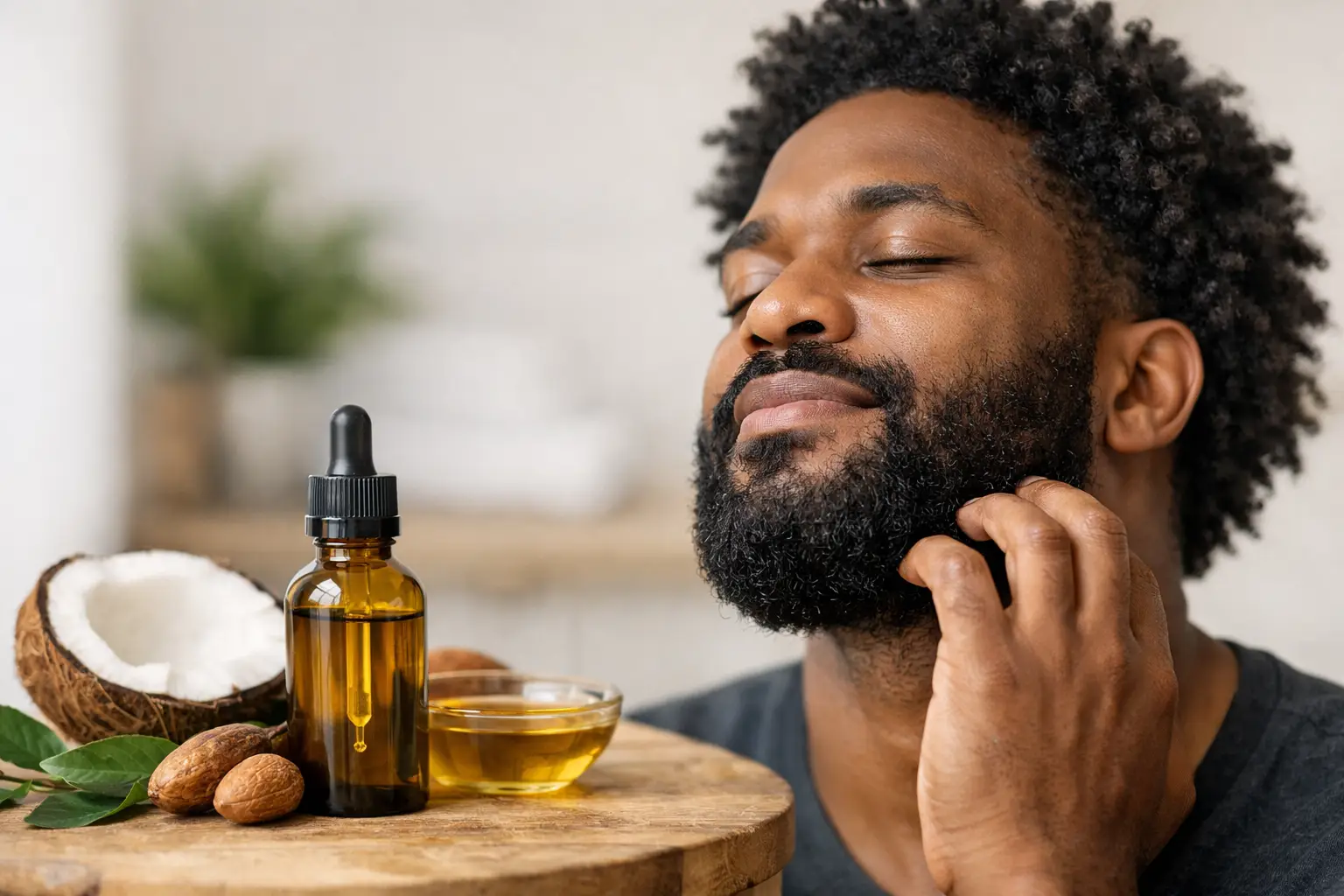
    That persistent beard itch usually is not a beard problem alone – it is often a skin hydration problem hiding underneath facial hair. A natural beard oil for itchy beard concerns works best when it addresses both sides of the issue: the coarse hair above and the dry, irritated skin below. When the skin is nourished and the beard is softened, discomfort tends to ease, flakes become less noticeable, and daily grooming feels less like damage control.

    Beard itch can show up at different stages. For some men, it starts during early growth when sharp new hairs rub against the skin. For others, it appears later when the beard gets thicker, trapping dryness, dead skin, and product buildup. Cold weather, overwashing, and harsh cleansers can make it worse. So can ignoring the beard entirely and hoping it will sort itself out on its own.

    Why an itchy beard happens in the first place

    Facial hair changes the skin environment. As the beard grows, natural skin oils do not always distribute evenly from root to tip. The result is familiar: rough texture, tight skin, light flaking, and an itch that seems to come back even after washing. In many cases, the beard hair itself is dry, but the deeper source is the skin barrier becoming depleted.

    That matters because scratching does not solve dryness. It can increase irritation, create redness, and leave the skin more reactive than before. If your beard feels itchy after cleansing, during dry weather, or late in the day, your skin may be asking for moisture and protection rather than more washing.

    There is also a simple texture issue. Coarse or curly beard hair can bend back toward the skin, creating friction. When hair is stiff and brittle, it is more likely to feel prickly. A well-formulated oil helps reduce that friction by conditioning the beard so it moves more comfortably against the skin.

    What a natural beard oil for itchy beard should do

    A good beard oil should do more than add shine. It should replenish moisture, improve softness, and support skin comfort without leaving the beard greasy or heavy. That balance is what makes an oil practical for daily use.

    Natural oils are especially helpful because many plant-based ingredients are rich in fatty acids, antioxidants, and soothing compounds that support the skin barrier. When chosen well, they help lock in hydration while making the beard easier to manage. For men dealing with itch, that combination is more useful than surface-level styling alone.

    The best formulas tend to absorb cleanly and leave the beard feeling conditioned rather than coated. If an oil sits on top of the hair and never really settles into the skin, relief may be short-lived. Comfort usually comes from consistent hydration, not just temporary slickness.

    Ingredients that support beard comfort naturally

    Not every natural oil performs the same way. Some are lighter and better for quick absorption, while others are richer and better for very dry skin. For an itchy beard, ingredient quality matters because the goal is to calm irritation while restoring softness.

    Jojoba oil is often a strong choice because it closely resembles the skin’s natural sebum. That makes it useful for balancing dry areas without feeling overly thick. Argan oil is valued for its nourishing, smoothing feel and can help tame rough beard texture. Sweet almond oil is another helpful option for softening coarse hairs and supporting dry, sensitive skin.

    Herbal and botanical additions can strengthen the formula when they are included for function, not marketing. Ingredients known for soothing and nourishment can help reduce the cycle of dryness and discomfort. That is where a plant-focused beard care approach stands out – it treats grooming as skin support, not just appearance.

    At the same time, natural does not automatically mean ideal for everyone. Some essential oils can be irritating if they are too concentrated or if your skin is already reactive. If your beard area is prone to sensitivity, a simpler formula is often the better starting point.

    How to use natural beard oil for itchy beard relief

    Application matters almost as much as the formula itself. Beard oil works best when it is applied to a clean, slightly damp beard. That small amount of moisture helps the oil spread more evenly and seal hydration into the hair and skin.

    Start with a few drops in your palms, rub your hands together, and work the oil through the beard from the skin outward. The skin under the beard deserves most of your attention because that is where itch begins. Use your fingertips to massage the oil in gently, then move through the length of the beard to soften the hair.

    How much oil you need depends on beard length, density, and how dry your skin feels. A short beard may need only a few drops. A fuller beard may need more. Too little can leave dry patches untouched, while too much can feel greasy and collect dust or buildup through the day. The right amount should leave the beard softer and more settled, not shiny to the point of looking wet.

    Consistency is what changes results. One application may bring short-term comfort, but regular use is what improves beard feel and skin condition over time. Most men do well with daily use, especially after washing or showering.

    When beard oil helps most – and when it is not enough

    Beard oil is highly effective for dryness, mild flaking, rough texture, and day-to-day itch caused by dehydration or friction. If your beard feels worse during winter, after hot showers, or after using strong soap, oil is likely addressing the right problem.

    But there are limits. If you have intense redness, painful irritation, persistent rash-like symptoms, or heavy flaking that extends beyond the beard area, beard oil may not be the whole answer. In those cases, there could be a skin condition involved rather than simple dryness. It is better to recognize that early than keep switching products and hoping for a different result.

    There is also a buildup issue to consider. If you apply oil over an unclean beard day after day without proper washing, trapped debris and dead skin can dull results. Relief usually comes from a balanced routine: gentle cleansing, proper hydration, and a nourishing oil used consistently.

    Building a routine around natural beard oil for itchy beard care

    A comfortable beard usually comes from a few habits working together. First, use a gentle cleanser instead of harsh soap. Strong cleansing can strip the skin and undo the benefits of your oil. Second, avoid very hot water, which can leave both hair and skin drier than before. Third, apply beard oil while the beard is still slightly damp so moisture stays in place longer.

    Brushing or combing can help distribute oil, but it should be done gently. Aggressive grooming can irritate already dry skin. The goal is to guide the beard into place, not scrape the face underneath it.

    If your beard tends to feel brittle, trimming damaged ends may also help. Split, wiry ends can make a beard feel rougher against the skin, even when the roots are hydrated. Better texture often comes from both nourishment and maintenance.

    For men who want a plant-based approach with practical benefits, this is where an herbal beard oil can fit naturally into the routine. Mimea Herb approaches beard care with that balance in mind: hydration, nourishment, comfort, and healthy-looking growth supported by botanical ingredients that serve a purpose.

    What to look for before you buy

    Choose a beard oil that speaks clearly about what it is designed to do. If itch relief is your concern, look for formulas centered on hydration, skin comfort, and beard softness rather than fragrance alone. Ingredient lists should feel intentional, not crowded.

    Texture matters too. A lightweight oil may be better for daily use and shorter beards, while a richer blend may suit thicker or drier growth. If you live in a dry climate or spend a lot of time in heated indoor air, a more nourishing formula may make a visible difference.

    And be realistic about timing. Beard oil can improve comfort quickly, but stronger results usually show after several days of steady use. Softer texture, less scratching, and fewer flakes are the signs to watch for.

    A beard should not feel like something you have to tolerate. When the skin underneath is cared for and the hair itself is properly nourished, the beard becomes easier to wear, easier to maintain, and much more comfortable from morning to night. The right natural oil does not just make your beard look better – it helps it feel like it belongs on your face.

  • Does Beard Oil for Patchy Beard Growth Help?

    Does Beard Oil for Patchy Beard Growth Help?

    A patchy beard rarely feels like just a style issue. More often, it shows up as dry skin underneath, rough texture through the beard you do have, and a daily question about whether the right product can help it fill in. If you have been looking into beard oil for patchy beard growth, the honest answer is simple: it can help, but not in the way many marketing claims suggest.

    Beard oil does not create new follicles where none exist. What it can do is support the conditions that allow your beard to look healthier, feel softer, and grow with less breakage and irritation. For many men, that matters more than hype. A beard that is better nourished, properly hydrated, and easier to maintain often appears fuller over time, even if the real change starts at the skin level.

    What beard oil can actually do for patchy growth

    Patchiness comes from different causes. Sometimes it is genetics. Sometimes it is slow growth that makes one area look thinner than another. In other cases, dryness, itching, flaking, or constant trimming make a beard seem less even than it really is.

    This is where beard oil earns its place. A quality formula helps soften coarse hairs, reduce dryness, and improve comfort in the skin underneath. When the skin is moisturized and the beard is less brittle, you are less likely to deal with snapping, rough ends, and the frizz that can make thin areas look more obvious.

    For men with early growth, beard oil can also improve manageability. Hairs that lie flatter and look conditioned tend to create a more uniform appearance. That does not mean oil changes your natural beard pattern. It means it helps you make the most of the growth you already have.

    Beard oil for patchy beard growth and skin health

    The skin under your beard often gets ignored. That is a mistake, especially when you are trying to support healthier growth. Dry, tight, or irritated skin can affect how comfortable your beard feels and how well you stick to a grooming routine.

    Beard oil for patchy beard growth works best when it is viewed as skin care first and beard care second. Natural oils help replenish moisture, which can calm itchiness and reduce flaking. Herbal and botanical ingredients may also help nourish the skin barrier, which is useful if your beard area feels sensitive or stressed.

    That skin-first approach matters because unhealthy skin does not create an ideal environment for your beard to thrive. If the area underneath is consistently dry or inflamed, the beard can feel rougher, look duller, and become harder to grow out evenly.

    Why some patchy beards look fuller with oil

    There is a practical difference between growing more hair and creating a fuller-looking beard. Beard oil often helps with the second one.

    When beard hair is dehydrated, it can curl irregularly, stick out, and reflect less light. That makes sparse areas stand out. A nourishing oil smooths the hair shaft and improves softness, which can make the beard look denser and more intentional. If you have patchiness along the cheeks or jawline, that subtle improvement in texture can make a visible difference.

    It also helps reduce the temptation to over-trim. Many men try to fix uneven growth by cutting too soon, which keeps the beard from reaching a length where thinner areas start blending better. A softer, more manageable beard is easier to leave alone long enough to assess its real potential.

    What beard oil cannot do

    This is the part worth being clear about. Beard oil cannot override genetics, and it cannot guarantee new growth in bare spots. If a patch has very little follicle activity, oil alone will not change that.

    It also will not work overnight. Beards grow in cycles, and some areas naturally mature later than others. That is why patience matters. A product that supports hydration and nourishment can improve the overall condition of your beard in days, but visible changes in appearance usually come from consistent care over several weeks.

    If patchiness is new, sudden, or paired with redness, significant shedding, or irritation, it may be worth looking beyond grooming. Sometimes stress, skin conditions, or other health factors play a role. In that case, beard oil can improve comfort, but it may not address the root cause.

    How to choose a better beard oil for patchy beard growth

    Not every beard oil is worth using, especially if your skin is sensitive or your beard area tends to feel dry. A better formula focuses on nourishment rather than just surface shine.

    Look for plant-based oils that help soften hair and support moisture retention. Lightweight oils can be ideal if you want daily use without a greasy finish. Richer oils can be helpful for very coarse beards or skin that feels chronically dry, though too-heavy formulas may sit on the surface if you apply too much.

    Ingredient quality matters. Botanical oils and herbal components can complement each other when the goal is comfort, hydration, and healthier-looking growth. You want a formula that feels restorative, not harsh. Strong synthetic fragrance or overly heavy fillers can work against that by irritating the skin or leaving buildup.

    A simple rule helps here: choose an oil that supports the skin beneath the beard as much as the beard itself. That is usually where the long-term benefit starts.

    How to use beard oil so it makes a visible difference

    Application matters more than many people realize. Beard oil should not just coat the outer layer of hair. It needs to reach the skin.

    Start with a clean, slightly damp beard. Place a small amount of oil in your palms, rub your hands together, and work it into the beard with your fingertips first, making contact with the skin underneath. Then smooth the remaining oil through the rest of your beard, focusing on drier or rougher areas.

    If your beard is short, a few drops may be enough. If it is thicker or longer, you may need a bit more. The right amount leaves your beard soft and conditioned, not slick or heavy.

    Consistency is what brings results. Daily use is often best, especially after washing or showering. A steady routine helps maintain hydration, improve texture, and reduce the dryness that makes patchiness more noticeable.

    Supporting patchy growth beyond oil

    Beard oil works best as part of a broader care routine. If your beard area is constantly stripped by harsh cleansers, neglected between trims, or irritated by scratching, even a good oil has to work harder.

    Cleanse gently. Keep the skin comfortable. Avoid over-washing, which can leave both the beard and the skin underneath dry. Trim with restraint if your goal is fuller-looking coverage, and give slower-growing areas time to catch up.

    Lifestyle also plays a role. Sleep, stress, and overall nutrition affect how healthy your hair appears. Beard care products are useful, but they are not separate from the rest of your routine. Healthy growth usually reflects a combination of consistent grooming and consistent self-care.

    For men who want a natural approach, this is often the most sustainable path. A botanical beard oil, used regularly and paired with simple beard maintenance, can help improve comfort and presentation without turning grooming into a complicated process.

    When beard oil is worth it

    If your patchy beard feels dry, wiry, itchy, or difficult to shape, beard oil is worth trying. It is especially useful when the beard is there but not looking its best. In that situation, hydration and nourishment can noticeably improve the way it feels and the way it wears.

    If you expect it to fill completely bare spots by itself, you will likely be disappointed. But if you want healthier skin, softer texture, less breakage, and a beard that appears more even over time, it can be a very practical step.

    That is the value of a well-made natural formula. It supports the grooming conditions that encourage a better-looking beard while keeping the routine simple and restorative. Brands such as Mimea Herb build around that balance of nourishment, comfort, and visible care.

    A patchy beard does not always need a dramatic fix. Often, it needs steady support, good ingredients, and enough time for healthier growth to show itself.

  • Scalp Treatment for Dryness and Itching

    Scalp Treatment for Dryness and Itching

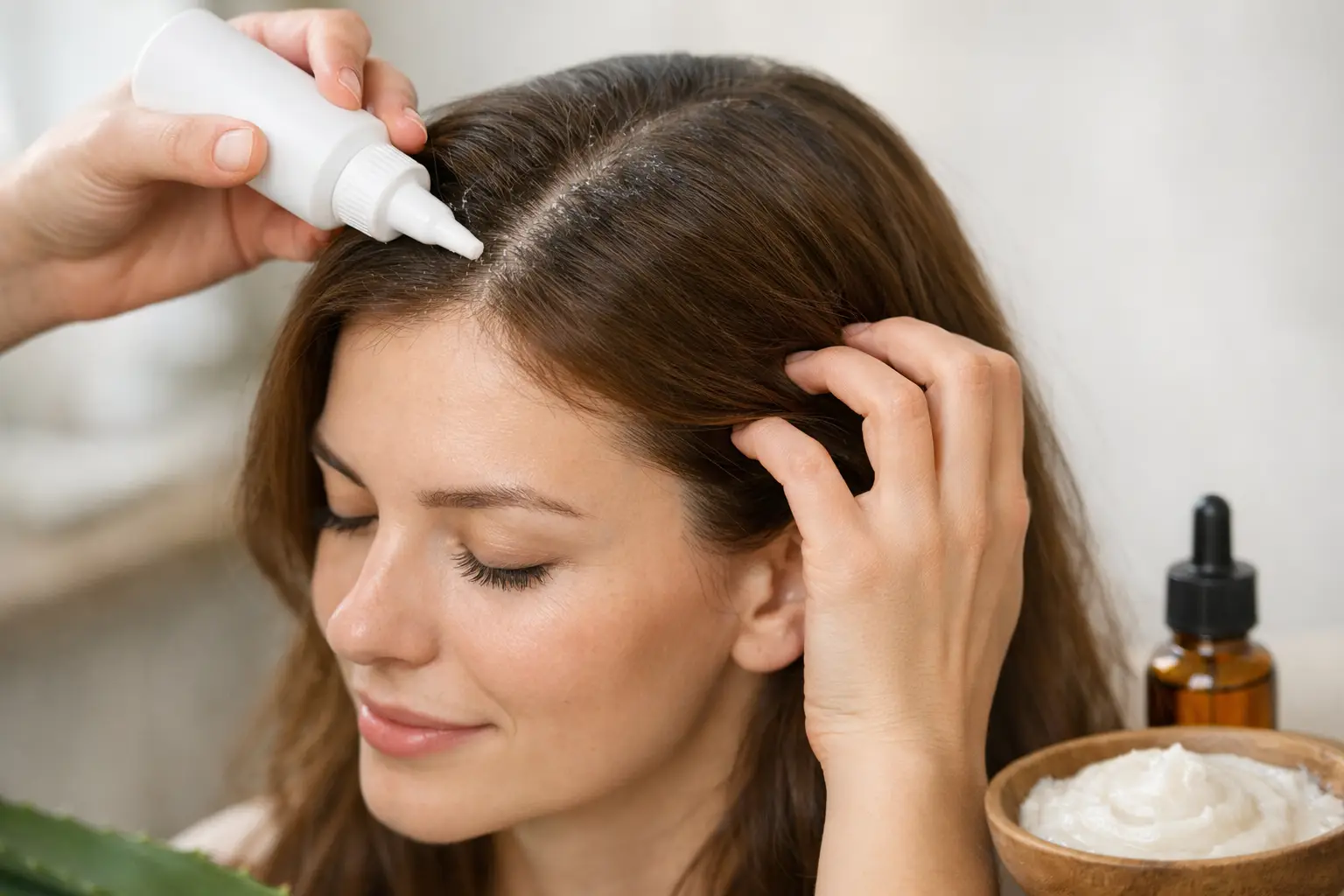
    A tight, itchy scalp can change the way your whole day feels. If you are searching for a scalp treatment for dryness and itching, the real goal is not to simply cover the discomfort. It is to restore balance, relieve irritation, and support a healthier scalp environment that stays comfortable over time.

    Dryness and itching are often treated like minor grooming issues, but they usually signal that the scalp barrier needs better care. When that barrier is compromised, moisture escapes more easily, irritation becomes more noticeable, and flaking can follow. The right treatment should do more than make your scalp feel better for an hour. It should help nourish the skin, reduce stress on the scalp, and support healthier hair from the root.

    What causes scalp dryness and itching?

    A dry, itchy scalp can come from several different sources, and the cause matters because the best treatment depends on what is triggering the problem. Sometimes the issue is simple moisture loss. Cold weather, indoor heating, over-washing, or harsh shampoos can strip away the scalp’s natural oils and leave the skin feeling tight and irritated.

    In other cases, buildup plays a role. Styling products, sweat, excess oil, and infrequent cleansing can collect on the scalp and disrupt its balance. That buildup can lead to itching even when the scalp is not truly dry. Some people also confuse dandruff with dryness. They can look similar at first, but dandruff is often linked to excess oil, yeast imbalance, or inflammation rather than a lack of moisture alone.

    Sensitivity is another common factor. Fragrance-heavy products, strong detergents, alcohol-based formulas, and aggressive exfoliation can all leave the scalp reactive. If itching starts soon after using a new product, irritation may be the issue rather than simple dryness.

    What a good scalp treatment for dryness and itching should do

    An effective scalp treatment for dryness and itching should calm irritation while helping the scalp hold onto moisture. That usually means choosing formulas that nourish rather than strip. Herbal oils, plant-based extracts, and gentle cleansing agents can be especially helpful when the scalp needs comfort and support.

    Look for treatments that address three things at once: hydration, soothing relief, and scalp cleanliness. Hydration matters because a dry scalp needs moisture support. Soothing relief matters because constant scratching can worsen irritation. Cleanliness matters because trapped oil, flakes, and product residue can keep the cycle going.

    This is where ingredient quality makes a difference. A treatment can claim to target itching, but if it relies on overly harsh actives or drying surfactants, the relief may be short-lived. A more balanced approach supports the scalp without creating a new problem.

    Why natural ingredients often work well

    For many people, botanical care is a practical choice, not just a lifestyle preference. Natural oils and herbal ingredients are often well suited for scalp discomfort because they help replenish moisture and soften dry areas while offering a gentler experience.

    Tea tree, peppermint, aloe, rosemary, neem, and nourishing carrier oils are often used in scalp-focused formulas for a reason. Some help refresh and clarify, while others soften, calm, and support the skin barrier. The benefit is not that every natural ingredient works for every scalp. It is that well-chosen botanicals can deliver targeted support without relying on a harsh approach.

    That said, natural does not automatically mean better for everyone. Essential oils can still be too strong in high concentrations, and some herbal ingredients may not suit very sensitive skin. A thoughtful formula matters more than a trendy ingredient list.

    How to choose the right routine

    The best routine depends on whether your scalp is dry, flaky, sensitive, or dealing with a mix of issues. If dryness is the main problem, start with a gentle shampoo that cleans without stripping. Washing too often can make irritation worse, but washing too little can let buildup linger. Most people do well with a balanced schedule based on their scalp type, activity level, and product use.

    After cleansing, a targeted scalp treatment can help restore comfort. Oils and treatment serums are often useful when applied directly to the scalp in small amounts, especially in dry areas. If the formula is lightweight, it can support hydration without leaving the scalp heavy. If it is richer, it may be better as a pre-wash treatment rather than a daily leave-on.

    If your scalp also flakes, choose products that can address both comfort and cleanliness. A hydrating anti-dandruff treatment can be especially useful when itching and visible flakes appear together. The right product should reduce irritation while helping clear the scalp surface.

    Signs your current products may be making it worse

    Sometimes the scalp is not the main problem. The routine is. If your shampoo leaves your scalp feeling squeaky, tight, or itchy right after washing, it may be too harsh. If you rely on heavy styling products and notice more itching between washes, buildup may be contributing to the discomfort.

    Hot water can also worsen dryness. It feels soothing in the moment, but it can strip natural oils and increase irritation. Scratching with fingernails, using rough brushes, or applying multiple strong treatments at once can inflame the scalp further.

    Even good products can cause problems when they are overused. Clarifying too often, layering too many oils, or switching products constantly can make it harder to understand what your scalp actually needs.

    A simple approach that supports lasting comfort

    When the scalp is irritated, simple usually works better than complicated. Start by removing the likely stressors. Use a mild cleanser, avoid very hot water, and reduce products that contain harsh alcohols or overly strong fragrance. Then add one consistent treatment designed to nourish and calm the scalp.

    Massage can help, but it should be gentle. A light fingertip massage improves product distribution and can encourage circulation without aggravating the skin. Consistency matters more than intensity. Relief often builds over days and weeks as the scalp barrier becomes more supported.

    Hydration also matters beyond hair care. Dry indoor air, dehydration, and overall skin sensitivity can affect the scalp too. A healthy scalp routine works best when it is part of a broader pattern of care rather than a quick fix.

    When flakes and itching point to something more

    Not every itchy scalp is simply dry. If you have persistent redness, thick scaling, sore patches, or itching that does not improve with gentle care, the issue may go beyond standard dryness. Conditions like seborrheic dermatitis, eczema, psoriasis, or allergic reactions can all affect the scalp and may need a more specific approach.

    That does not mean natural scalp care has no place. It often still helps support comfort and reduce unnecessary irritation. But when symptoms are ongoing or severe, it is wise to get clarity on the cause so you can choose the right treatment.

    Building a healthier scalp over time

    A comfortable scalp tends to come from steady care, not constant correction. The goal is to create an environment where the skin is clean, nourished, and less reactive. That is why ingredient-conscious routines often outperform aggressive ones. They support the scalp instead of forcing it into balance.

    For people who want plant-based care with practical results, this is where a well-made herbal treatment can stand out. A formula that combines hydration, scalp comfort, and cleansing support can fit naturally into a routine focused on healthier hair and more confident grooming. Mimea Herb Hair Care Solutions reflects this kind of approach by centering nourishment, scalp relief, and ingredient integrity in everyday care.

    If your scalp has been asking for attention through dryness, itching, or flakes, listen early. Gentle, effective treatment now can help prevent a longer cycle of irritation later, and that shift often starts with choosing care that truly supports the scalp instead of working against it.

  • How to Treat Scalp Dandruff Naturally

    How to Treat Scalp Dandruff Naturally

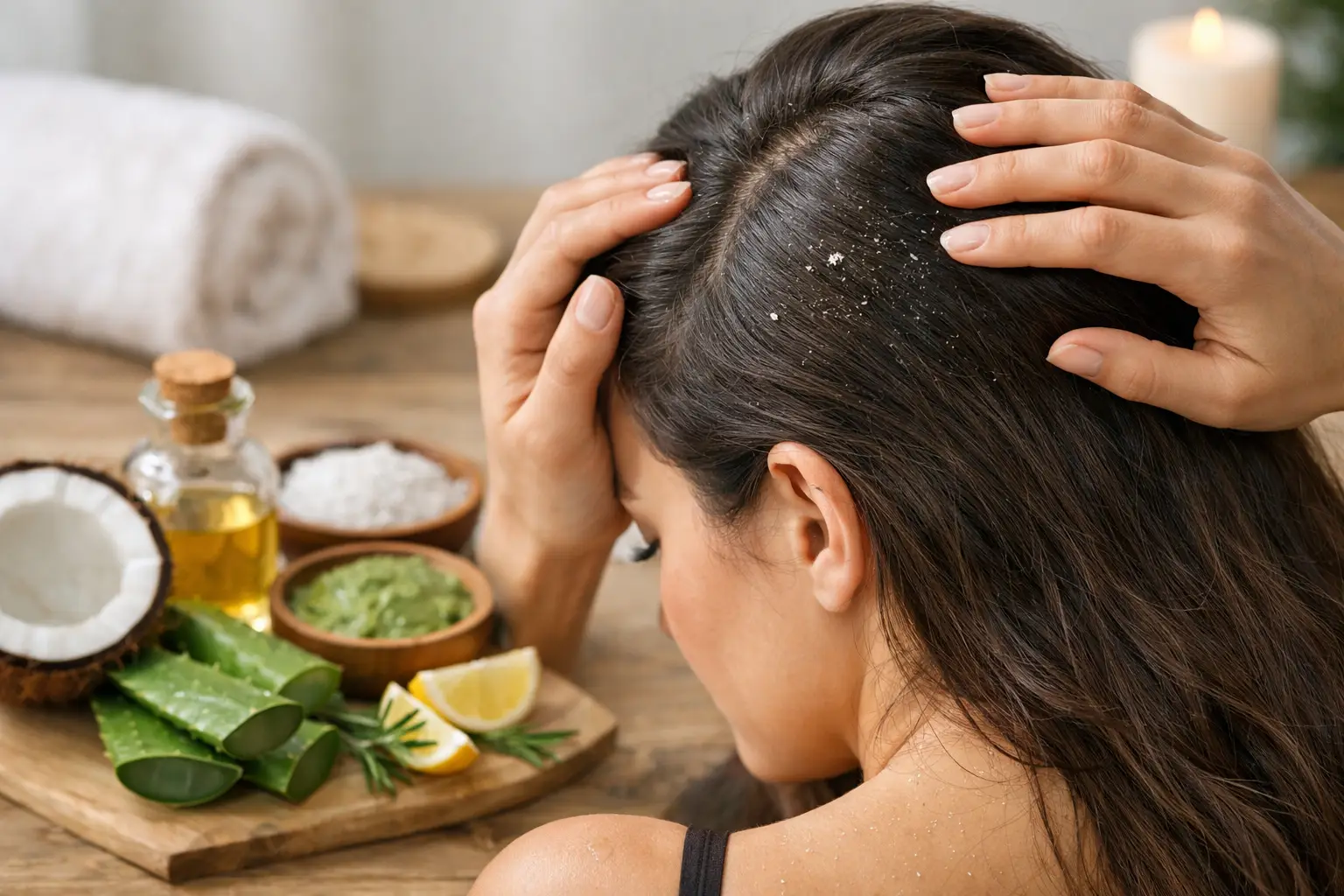
    Flakes on a dark shirt usually show up before you notice what your scalp has been trying to tell you. If you are searching for how to treat scalp dandruff naturally, the goal is not to scrub harder or pile on heavier products. It is to calm irritation, loosen buildup, restore moisture balance, and support a healthier scalp environment over time.

    Dandruff is common, but it is not all the same. For some people, it comes from a dry scalp that feels tight and itchy. For others, it is linked to excess oil, product buildup, or sensitivity to a yeast that naturally lives on the skin. That is why natural care works best when it is gentle, consistent, and matched to what your scalp actually needs.

    What causes dandruff in the first place?

    A flaky scalp can have more than one trigger. Dry air, harsh shampoos, heavy styling products, infrequent washing, stress, and skin conditions can all play a part. Sometimes the scalp is simply dehydrated. Other times it is producing too much oil, which mixes with dead skin and creates visible flakes.

    This distinction matters. A dry scalp often responds well to hydration and less aggressive cleansing. Oily dandruff may need more regular washing and ingredients that help keep the scalp clear without stripping it. If your flakes are thick, yellowish, very inflamed, or spread beyond the scalp, a natural routine may still help with comfort, but it may not be enough on its own.

    How to treat scalp dandruff naturally without making it worse

    The most effective natural approach is usually simple. Cleanse the scalp regularly, avoid harsh formulas, use botanical ingredients that comfort irritation, and keep residue from building up. The mistake many people make is swinging between extremes – washing too aggressively when flakes appear, then applying heavy oils that sit on the scalp and trap more buildup.

    Natural dandruff care should feel balanced. You want enough cleansing to remove dead skin, sweat, and excess oil, but enough nourishment to help the scalp barrier stay calm.

    Start with a gentle cleansing routine

    A healthy scalp begins with regular washing using a shampoo that supports hydration while clearing buildup. If your scalp is flaky and itchy, harsh detergents can make the cycle worse by drying the skin and increasing irritation. A gentler herbal shampoo can help cleanse without leaving the scalp stripped and uncomfortable.

    How often you wash depends on your scalp type. If you are oily or sweat often, every two to three days may be better than stretching washes too long. If your scalp is dry, washing less often may help, but not so infrequently that flakes and product residue collect. The right schedule is the one that leaves your scalp feeling clean, not squeaky, and calm for most of the week.

    Use oils carefully, not heavily

    Natural oils can be useful, but they are not a cure-all. A small amount of lightweight botanical oil can help soften dry flakes, reduce tightness, and support moisture retention. Herbal oils are often chosen for their soothing properties and for the way they complement scalp massage, which can improve comfort and help loosen dry buildup before washing.

    The trade-off is that too much oil can overwhelm an already oily scalp. If your dandruff tends to be greasy, thick, or sticky, applying heavy oil overnight may make things worse. In that case, use only a small amount as a short pre-wash treatment and cleanse thoroughly afterward.

    Soothe the scalp, do not scratch it

    An itchy scalp can tempt you to scratch throughout the day, but repeated scratching creates more irritation and can damage the skin barrier. A calmer approach is better. Massage the scalp gently with your fingertips, not your nails, during washing. This helps lift flakes and stimulate the scalp without causing additional stress.

    If itching is persistent, look at your entire routine. Fragranced styling products, dry shampoos, edge controls, pomades, and even beard products that transfer to the hairline can all contribute to sensitivity.

    Natural ingredients that can help

    When people ask how to treat scalp dandruff naturally, they are usually looking for ingredients that feel safe, plant-based, and effective. The best options are not necessarily the most dramatic. They are the ones that support a healthier scalp with regular use.

    Tea tree oil is one of the most discussed natural ingredients for dandruff because it can help reduce the scalp conditions that contribute to flakes. It should always be properly diluted, since concentrated essential oils can irritate sensitive skin.

    Aloe vera is valued for its soothing and hydrating feel. It can be especially helpful when dandruff is paired with dryness or irritation. Neem, rosemary, and other herbal ingredients are also common in scalp care because they support a cleaner, more balanced scalp environment.

    Carrier oils such as jojoba or grapeseed oil are often a better choice than very heavy oils for scalp use. They tend to feel lighter and are less likely to leave the scalp coated when used in moderation.

    Habits that support a flake-free scalp

    Your scalp routine matters, but so do your everyday habits. Product buildup is one of the most overlooked causes of recurring dandruff. If you regularly use gels, creams, sprays, or thick oils, make sure they are not collecting at the roots and sitting there for days.

    Water temperature also makes a difference. Very hot water can dry and irritate the scalp, especially if you already deal with sensitivity. Lukewarm water is usually the better choice for both cleansing and comfort.

    Stress can also show up on the scalp. It does not directly create dandruff in every case, but it can worsen inflammation and make existing flaking more noticeable. Better sleep, hydration, and a steady routine often help more than people expect.

    A simple weekly natural routine

    A practical routine does not need to be complicated. On wash day, massage a small amount of herbal oil into dry areas of the scalp if needed and leave it on briefly before cleansing. Follow with a gentle shampoo that focuses on the scalp rather than just the hair strands. Rinse thoroughly so no residue is left behind.

    On non-wash days, keep styling products light and avoid layering oil onto an unclean scalp. If your scalp feels dry, use a minimal amount of a scalp-friendly botanical treatment rather than coating the whole area. Consistency matters more than intensity.

    For people who want a more targeted natural option, a focused scalp treatment can be helpful because it combines soothing and clarifying ingredients in a more balanced way than using kitchen remedies. This is often where an herbal anti-dandruff and scalp treatment fits well into a routine, especially when flakes are persistent but the scalp still needs nourishment.

    When natural care may not be enough

    There is a point where flakes are no longer just cosmetic. If your scalp is very red, painful, cracking, or shedding large patches, it may be something more than standard dandruff. Psoriasis, eczema, seborrheic dermatitis, and fungal issues can look similar at first.

    If you have tried a steady natural routine for several weeks with no improvement, or your symptoms are getting worse, it is worth getting professional guidance. Natural care can still support comfort, but the root issue may need a more specific treatment plan.

    How to choose products that support natural dandruff care

    Look for products that match the condition of your scalp, not just the promise on the label. A good formula should cleanse effectively, support hydration, and avoid leaving behind a heavy coating. Herbal ingredients are valuable when they are part of a balanced formula designed for scalp comfort and visible results.

    It also helps to be realistic. Natural care usually improves dandruff through steady support, not overnight correction. That can feel slower, but it is often gentler and more sustainable for people who want a healthier long-term routine.

    If your scalp is dry, prioritize moisture and barrier support. If it is oily, focus on regular cleansing and lighter treatments. If it is sensitive, choose simpler routines with fewer irritating extras. The best natural routine is the one you can follow consistently and that leaves your scalp feeling clearer, calmer, and more comfortable week after week.

    A healthier scalp rarely comes from doing more. It usually comes from doing the right things with care – cleansing gently, nourishing wisely, and giving your scalp the steady support it needs to recover.

  • Best Shampoo for Itchy Scalp Naturally

    Best Shampoo for Itchy Scalp Naturally

    An itchy scalp usually does not start as a major problem. It starts with a little tightness after washing, a few flakes on a dark shirt, or that persistent urge to scratch by midday. If you are searching for the best shampoo for itchy scalp naturally, the real goal is not just a cleaner scalp. It is lasting comfort, balanced moisture, and a formula that supports healthy hair without making irritation worse.

    What actually causes an itchy scalp?

    Scalp itching can come from several different issues, and that is why one shampoo does not work for everyone. For some people, the problem is simple dryness. Cold weather, frequent washing, or harsh cleansers can strip away natural oils and leave the scalp feeling tight and reactive.

    For others, itching shows up alongside dandruff, product buildup, or excess oil. In those cases, the scalp is not necessarily dry in the usual sense. It may be imbalanced. When dead skin, residue, and oil collect on the scalp, they can trigger irritation, flakes, and discomfort that seem to keep coming back.

    There is also the possibility of sensitivity to ingredients. Strong synthetic fragrance, heavy sulfates, and certain preservatives can leave the scalp feeling inflamed, especially if your skin already runs sensitive. That is why natural shoppers often do better with simpler, plant-based formulas that focus on comfort as much as cleansing.

    What makes the best shampoo for itchy scalp naturally?

    The best shampoo for itchy scalp naturally should do three things well. It should cleanse without over-drying, calm visible irritation, and help the scalp hold onto the moisture it needs to stay comfortable.

    That balance matters. A shampoo that is too weak may leave behind residue and oil that keep the itch cycle going. A shampoo that is too aggressive may remove buildup, but also strip the scalp and trigger even more dryness. Natural care works best when it respects the scalp barrier instead of fighting against it.

    Look for formulas built around botanical oils, herbal extracts, and moisture-supporting ingredients. These tend to be especially helpful when the scalp feels both itchy and dry. Tea tree, peppermint, aloe vera, rosemary, neem, and herbal infusions are common choices because they are associated with scalp freshness, comfort, and a cleaner-feeling root area.

    That said, natural does not automatically mean gentle for everyone. Essential oils can feel refreshing, but if they are used too heavily, they may be too intense for very sensitive skin. A well-made shampoo uses herbs and oils with restraint and purpose, not just for label appeal.

    Ingredients worth looking for in a natural itchy scalp shampoo

    A soothing shampoo starts with the right kind of cleansing base, but the support ingredients matter just as much. Aloe vera is one of the most reliable additions for a dry, uncomfortable scalp because it helps bring in hydration and a calmer feel after washing.

    Tea tree oil is often chosen for itchy or flaky scalps because it leaves a refreshed, purified feeling. It can be especially useful if your scalp tends to feel oily and irritated at the same time. Peppermint has a similar appeal. It gives a cooling sensation that many people associate with relief, though very reactive scalps may prefer a milder formula.

    Herbal oils and extracts such as rosemary, neem, and black seed oil can also support scalp care naturally. These ingredients are often included in formulas designed to nourish the scalp environment while helping hair feel stronger and healthier over time.

    Moisture-supporting oils matter too. Coconut oil, jojoba oil, castor oil, and olive oil can help reduce the dry, stripped feeling that sometimes follows washing. In the right amount, they leave the scalp more comfortable without making hair feel heavy.

    Ingredients that can make itching worse

    If your scalp is already irritated, harsh cleansing agents are usually the first place to look. Some shampoos create that squeaky-clean feeling by removing too much oil too quickly. The result can be more itching, more flakes, and a scalp that never seems settled.

    Heavy synthetic fragrance is another common issue. Even if a product smells clean, fragrance can be too much for a sensitive scalp. Alcohol-heavy formulas and shampoos overloaded with styling residue can also add to the problem.

    This is where ingredient-conscious grooming becomes practical, not fussy. When you choose a shampoo that is built to nourish and hydrate as it cleanses, you are less likely to enter that cycle of wash, dryness, irritation, and repeat.

    How to choose the right natural shampoo for your scalp type

    A dry itchy scalp and an oily flaky scalp may look similar from a distance, but they usually need different support. If your scalp feels tight after washing and your flakes are small and dry, a moisture-focused herbal shampoo is often the better fit. You want something that cleans gently and restores softness.

    If your scalp gets greasy quickly and flakes are larger or more persistent, you may do better with a natural shampoo that balances oil and helps lift buildup while still being gentle. In that case, herbs such as tea tree, rosemary, and neem may be more useful.

    If you color your hair, wear protective styles, or use heavy pomades and beard products near the hairline, buildup may be part of the problem. A natural shampoo with scalp-clearing herbs can help, but frequency matters too. Washing too often can create a different kind of irritation.

    Men managing both scalp and beard dryness should think about overlap. The same grooming habits that help facial hair feel softer, such as nourishing oils and gentler cleansing, often support a healthier scalp as well. The skin underneath the hair is where comfort begins.

    How to use a natural shampoo for better results

    Even the best formula can underperform if the washing routine is working against your scalp. Start by fully soaking the hair and scalp with lukewarm water. Hot water can feel good for a moment, but it often makes dryness worse.

    Apply shampoo directly to the scalp, not just the hair. Use your fingertips to massage gently for at least a minute so the formula can loosen buildup and reach the skin where itching starts. Scratching with nails may feel satisfying in the moment, but it can leave the scalp more inflamed.

    Rinse thoroughly. Residue from shampoo, conditioner, or styling products can keep the scalp irritated. If your scalp is very dry, avoid overwashing. Many people do better washing two to three times per week rather than daily, though it depends on oil production, activity level, and product use.

    Pairing shampoo with a targeted scalp treatment can also make a difference, especially when flakes and itch have become persistent. A nourishing, anti-dandruff scalp treatment can help extend the comfort you get from washing and support a healthier scalp between wash days.

    When natural shampoo helps, and when it may not be enough

    A good natural shampoo can be a strong solution for common scalp discomfort tied to dryness, mild dandruff, and buildup. It can improve how the scalp feels day to day and reduce the triggers that keep itching active.

    Still, there are situations where a shampoo alone may not solve the problem. If the scalp is red, sore, cracking, or producing thick scales, it may be time to speak with a medical professional. Persistent itching can sometimes point to eczema, psoriasis, fungal issues, or contact dermatitis that need more than over-the-counter care.

    This does not make natural care less valuable. It simply means the best approach is the one that matches the cause. For many people, herbal hair care is an effective first step because it removes common irritants and restores a healthier baseline.

    A simple standard for choosing well

    When you are comparing products, the best natural shampoo is rarely the one with the longest ingredient story. It is the one that makes your scalp feel cleaner, calmer, and more balanced after repeated use. Relief should not come at the cost of dryness, and moisture should not leave the scalp coated or congested.

    That is the standard worth keeping. Choose a shampoo that respects the scalp, uses botanical ingredients with purpose, and supports healthy hair from the root. Brands like Mimea Herb reflect that more restorative approach to grooming, where comfort, nourishment, and visible care work together.

    A comfortable scalp tends to show up in small but meaningful ways – less scratching, fewer flakes, easier styling, and more confidence in your daily routine. That is often where natural hair care proves its value most clearly.

  • Herbal Shampoo for Dry Scalp That Works

    Herbal Shampoo for Dry Scalp That Works

    A dry scalp rarely stays a small problem. It starts with tightness after washing, then itching, visible flakes, and hair that never quite feels healthy at the root. Choosing the right herbal shampoo for dry scalp can make a real difference, but only if the formula is built to hydrate, soothe, and cleanse without stripping away what your scalp needs.

    That is where many shampoos fall short. Some clean aggressively and leave the scalp feeling even drier. Others promise moisture but rely on heavy residue that can make the hair feel coated while the scalp stays irritated underneath. A well-made herbal formula should do something simpler and more useful – support scalp comfort while helping hair feel clean, balanced, and easier to manage.

    What a dry scalp actually needs

    Dry scalp is often treated like a dandruff issue, but the two are not always the same. Dandruff is commonly linked to excess oil, irritation, or yeast imbalance, while a dry scalp usually points to a lack of moisture and a weakened skin barrier. The symptoms can overlap, which is why people often use the wrong product for too long.

    If your scalp feels tight, looks dull, flakes in small dry pieces, or becomes more uncomfortable after shampooing, dehydration may be the main issue. In that case, the best shampoo is not the strongest one. It is the one that removes buildup gently, helps retain moisture, and calms irritation before it turns into a cycle of scratching and further dryness.

    Herbal care fits well here because plant-based ingredients often support multiple needs at once. Certain herbs and oils can cleanse lightly, reduce discomfort, and help restore softness without relying on harsh detergents. That does not mean every natural shampoo is automatically better. The formula still matters.

    How herbal shampoo for dry scalp helps

    A good herbal shampoo for dry scalp works on two levels. First, it cleans away sweat, dirt, and product residue that can make the scalp feel congested. Second, it helps replenish the comfort that frequent washing, weather changes, and harsh products tend to remove.

    This balance matters. If a shampoo is too mild, residue can stay behind and contribute to itching. If it is too strong, the scalp loses more moisture and becomes more reactive. Herbal shampoos are often chosen because they can bridge that gap, especially when they include nourishing oils, soothing botanicals, and a gentler cleansing base.

    For people who wear protective styles, wash less often, or use beard and hair products regularly, this is especially useful. Buildup and dryness can exist at the same time. The scalp needs a reset, but not a harsh one.

    Ingredients worth looking for

    When you are comparing formulas, ingredient quality tells you more than front-label promises. Dry scalp tends to respond best to shampoos that combine hydration with calming botanical support.

    Aloe vera is one of the most useful ingredients in this category because it helps soothe irritation and add lightweight moisture. Herbal oils such as coconut oil, tea tree oil, peppermint oil, rosemary oil, and castor oil can also be beneficial, but each serves a slightly different purpose. Coconut and castor oils are more nourishing. Tea tree and peppermint can feel refreshing and help reduce discomfort. Rosemary is often valued for supporting a healthier scalp environment and overall hair vitality.

    Herbal extracts such as neem, hibiscus, and fenugreek are also common in more thoughtful formulas. These ingredients are often chosen for scalp comfort, softness, and support for healthier-looking hair over time. The best formulas do not rely on one hero ingredient. They combine herbs and oils in a way that makes daily or weekly use practical.

    It is also worth paying attention to what is not in the bottle. If your scalp is already dry, shampoos with overly harsh sulfates, heavy synthetic fragrance, or alcohol-heavy formulas may leave it feeling worse. Natural does not have to mean perfect, but it should feel purposeful.

    Signs your shampoo is making dryness worse

    Many people assume they just need to wash more often when flakes show up. Sometimes that helps. Often, it does the opposite.

    If your scalp starts itching within a day of washing, feels squeaky-clean in a way that borders on tight, or your flakes become finer and more noticeable after shampooing, your cleanser may be too aggressive. Hair that feels rough, brittle, or unusually frizzy after washing can also point to moisture loss at both the scalp and strand level.

    Another sign is when your scalp improves briefly with oils or treatments but becomes irritated again as soon as you shampoo. That usually means your cleanser is undoing the benefit of the rest of your routine.

    How to use herbal shampoo for dry scalp effectively

    Even the right formula works better with the right habits. Start by washing with lukewarm water instead of hot water. Heat can feel relaxing, but it tends to pull more moisture from the scalp.

    Apply shampoo directly to the scalp, not just the hair. Use your fingertips, not your nails, and massage gently for about a minute. This helps lift buildup without creating more irritation. If you use styling products or oils regularly, a second light cleanse may be useful, but it should still feel comfortable rather than stripping.

    Rinse thoroughly. Left-behind shampoo can lead to itching that feels like dryness. Follow with a conditioner on the mid-lengths and ends of the hair, and if your scalp is especially dry, consider pairing your shampoo with a targeted scalp treatment between wash days.

    Consistency matters more than overcorrecting. A nourishing herbal shampoo used regularly is usually more effective than rotating through strong products whenever symptoms flare up.

    It depends on your scalp pattern

    Not every dry scalp responds the same way. If your dryness is seasonal, a hydrating herbal shampoo may be enough on its own. Colder weather, indoor heat, and frequent hot showers can all trigger temporary tightness and flakes.

    If your scalp is dry and also visibly inflamed, sensitive, or prone to recurring dandruff, you may need a more focused routine. In that case, a shampoo that hydrates and soothes is still valuable, but support from a scalp treatment can help address lingering discomfort.

    There is also the question of hair type. Coily, curly, and textured hair often needs a shampoo that respects natural oils because they travel less easily from scalp to ends. Straighter hair may show scalp flakes faster because the scalp is more visible, but the underlying need can still be the same – gentle cleansing and moisture support.

    For men managing both scalp dryness and beard grooming, ingredient consistency matters too. If you are already choosing botanical oils for beard care, it makes sense to use a hair cleanser that follows the same philosophy. A routine built around herbal nourishment tends to feel more balanced than mixing harsh cleansing with restorative oils later.

    What results should feel like

    The first improvement is usually comfort. Less itching, less tightness, and a scalp that feels calmer after washing are meaningful signs that your shampoo is doing its job. Over time, you may also notice fewer visible flakes, softer hair texture, and a cleaner scalp that does not swing from dry to irritated so quickly.

    Healthy scalp care is rarely about instant transformation. It is about reducing the friction in your daily routine so your hair can grow from a better foundation. When the scalp is hydrated and less reactive, the hair often looks better as a result – not because of a cosmetic coating, but because the environment underneath is healthier.

    This is the value of choosing a formula that treats scalp care as more than surface-level cleansing. Brands such as Mimea Herb focus on botanical grooming with that practical goal in mind: nourishment, comfort, and visible improvement you can actually maintain.

    Choosing a better herbal shampoo for dry scalp

    The best choice is usually the one that feels balanced from the first few washes. Your scalp should feel clean but not exposed, refreshed but not overcorrected. Look for herbal ingredients that support hydration, irritation relief, and healthy growth, and be cautious of formulas that promise dramatic results while ignoring gentleness.

    Dry scalp can be stubborn, but it is not something you have to simply tolerate. With a well-formulated herbal shampoo, the routine becomes less about managing discomfort and more about restoring a healthier baseline. When your scalp feels cared for, confidence tends to follow naturally.