Category: Uncategorized

  • Herbal Shampoo for Dry Scalp That Works

    Herbal Shampoo for Dry Scalp That Works

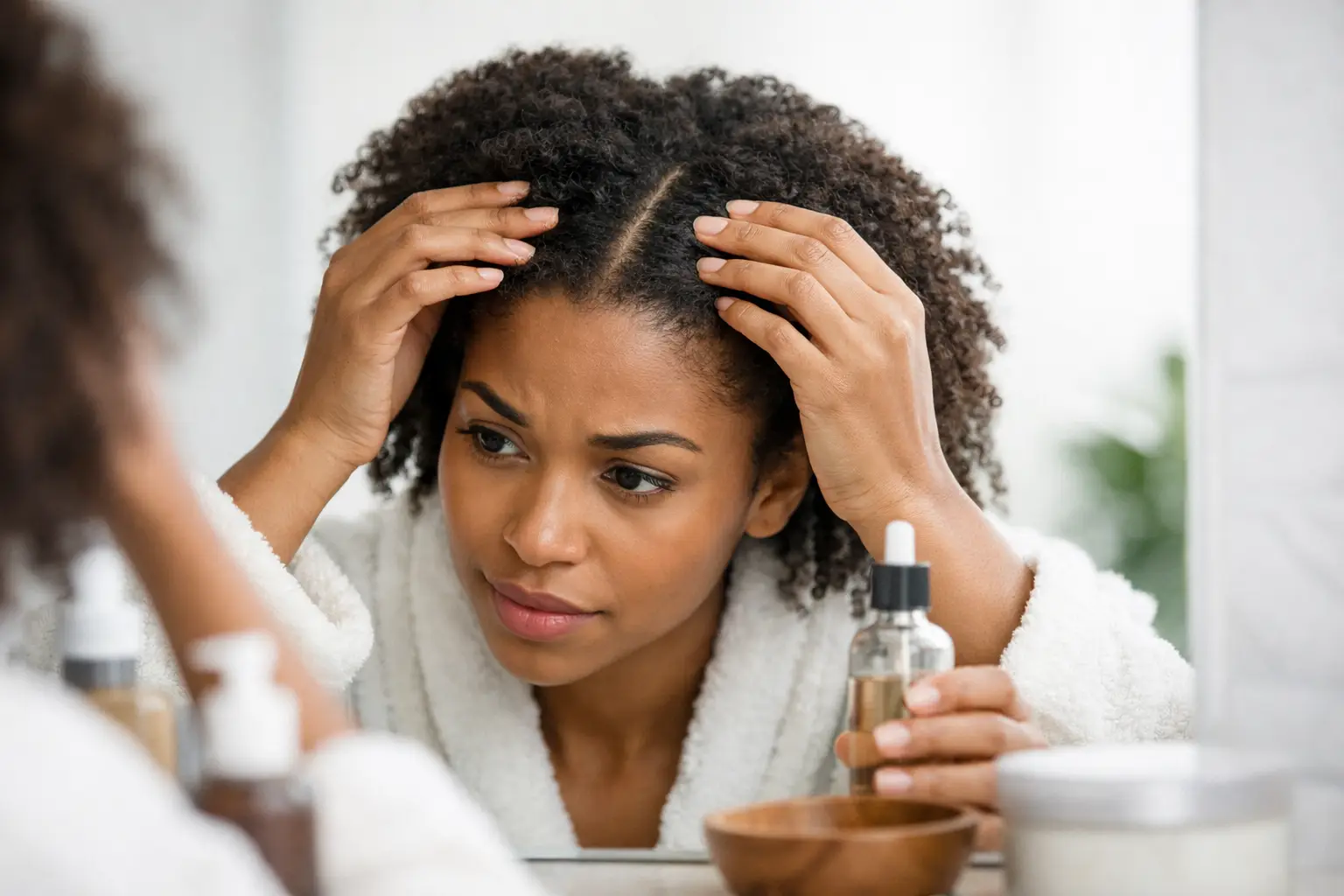
    A dry scalp rarely stays a small problem. It starts with tightness after washing, then itching, visible flakes, and hair that never quite feels healthy at the root. Choosing the right herbal shampoo for dry scalp can make a real difference, but only if the formula is built to hydrate, soothe, and cleanse without stripping away what your scalp needs.

    That is where many shampoos fall short. Some clean aggressively and leave the scalp feeling even drier. Others promise moisture but rely on heavy residue that can make the hair feel coated while the scalp stays irritated underneath. A well-made herbal formula should do something simpler and more useful – support scalp comfort while helping hair feel clean, balanced, and easier to manage.

    What a dry scalp actually needs

    Dry scalp is often treated like a dandruff issue, but the two are not always the same. Dandruff is commonly linked to excess oil, irritation, or yeast imbalance, while a dry scalp usually points to a lack of moisture and a weakened skin barrier. The symptoms can overlap, which is why people often use the wrong product for too long.

    If your scalp feels tight, looks dull, flakes in small dry pieces, or becomes more uncomfortable after shampooing, dehydration may be the main issue. In that case, the best shampoo is not the strongest one. It is the one that removes buildup gently, helps retain moisture, and calms irritation before it turns into a cycle of scratching and further dryness.

    Herbal care fits well here because plant-based ingredients often support multiple needs at once. Certain herbs and oils can cleanse lightly, reduce discomfort, and help restore softness without relying on harsh detergents. That does not mean every natural shampoo is automatically better. The formula still matters.

    How herbal shampoo for dry scalp helps

    A good herbal shampoo for dry scalp works on two levels. First, it cleans away sweat, dirt, and product residue that can make the scalp feel congested. Second, it helps replenish the comfort that frequent washing, weather changes, and harsh products tend to remove.

    This balance matters. If a shampoo is too mild, residue can stay behind and contribute to itching. If it is too strong, the scalp loses more moisture and becomes more reactive. Herbal shampoos are often chosen because they can bridge that gap, especially when they include nourishing oils, soothing botanicals, and a gentler cleansing base.

    For people who wear protective styles, wash less often, or use beard and hair products regularly, this is especially useful. Buildup and dryness can exist at the same time. The scalp needs a reset, but not a harsh one.

    Ingredients worth looking for

    When you are comparing formulas, ingredient quality tells you more than front-label promises. Dry scalp tends to respond best to shampoos that combine hydration with calming botanical support.

    Aloe vera is one of the most useful ingredients in this category because it helps soothe irritation and add lightweight moisture. Herbal oils such as coconut oil, tea tree oil, peppermint oil, rosemary oil, and castor oil can also be beneficial, but each serves a slightly different purpose. Coconut and castor oils are more nourishing. Tea tree and peppermint can feel refreshing and help reduce discomfort. Rosemary is often valued for supporting a healthier scalp environment and overall hair vitality.

    Herbal extracts such as neem, hibiscus, and fenugreek are also common in more thoughtful formulas. These ingredients are often chosen for scalp comfort, softness, and support for healthier-looking hair over time. The best formulas do not rely on one hero ingredient. They combine herbs and oils in a way that makes daily or weekly use practical.

    It is also worth paying attention to what is not in the bottle. If your scalp is already dry, shampoos with overly harsh sulfates, heavy synthetic fragrance, or alcohol-heavy formulas may leave it feeling worse. Natural does not have to mean perfect, but it should feel purposeful.

    Signs your shampoo is making dryness worse

    Many people assume they just need to wash more often when flakes show up. Sometimes that helps. Often, it does the opposite.

    If your scalp starts itching within a day of washing, feels squeaky-clean in a way that borders on tight, or your flakes become finer and more noticeable after shampooing, your cleanser may be too aggressive. Hair that feels rough, brittle, or unusually frizzy after washing can also point to moisture loss at both the scalp and strand level.

    Another sign is when your scalp improves briefly with oils or treatments but becomes irritated again as soon as you shampoo. That usually means your cleanser is undoing the benefit of the rest of your routine.

    How to use herbal shampoo for dry scalp effectively

    Even the right formula works better with the right habits. Start by washing with lukewarm water instead of hot water. Heat can feel relaxing, but it tends to pull more moisture from the scalp.

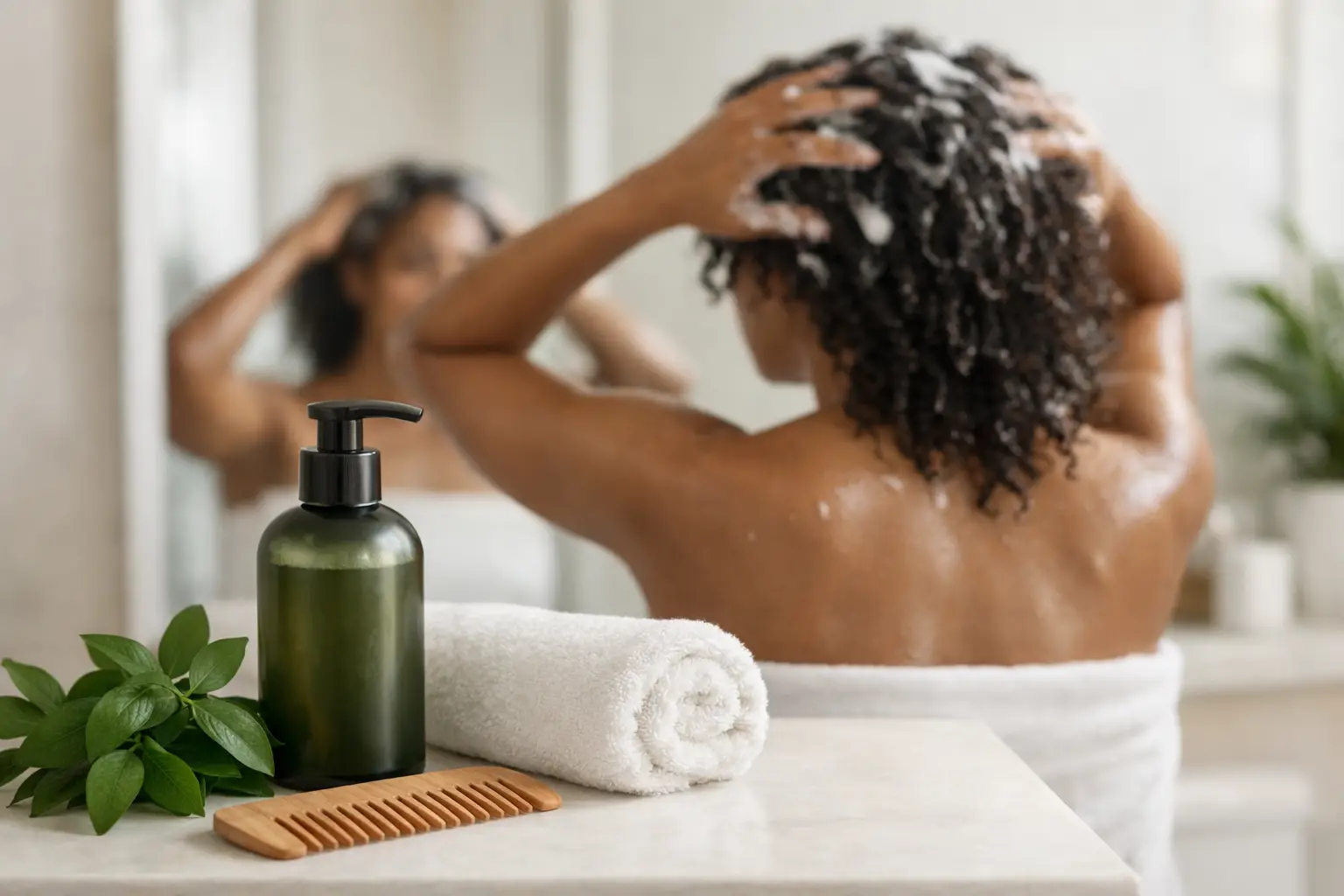
    Apply shampoo directly to the scalp, not just the hair. Use your fingertips, not your nails, and massage gently for about a minute. This helps lift buildup without creating more irritation. If you use styling products or oils regularly, a second light cleanse may be useful, but it should still feel comfortable rather than stripping.

    Rinse thoroughly. Left-behind shampoo can lead to itching that feels like dryness. Follow with a conditioner on the mid-lengths and ends of the hair, and if your scalp is especially dry, consider pairing your shampoo with a targeted scalp treatment between wash days.

    Consistency matters more than overcorrecting. A nourishing herbal shampoo used regularly is usually more effective than rotating through strong products whenever symptoms flare up.

    It depends on your scalp pattern

    Not every dry scalp responds the same way. If your dryness is seasonal, a hydrating herbal shampoo may be enough on its own. Colder weather, indoor heat, and frequent hot showers can all trigger temporary tightness and flakes.

    If your scalp is dry and also visibly inflamed, sensitive, or prone to recurring dandruff, you may need a more focused routine. In that case, a shampoo that hydrates and soothes is still valuable, but support from a scalp treatment can help address lingering discomfort.

    There is also the question of hair type. Coily, curly, and textured hair often needs a shampoo that respects natural oils because they travel less easily from scalp to ends. Straighter hair may show scalp flakes faster because the scalp is more visible, but the underlying need can still be the same – gentle cleansing and moisture support.

    For men managing both scalp dryness and beard grooming, ingredient consistency matters too. If you are already choosing botanical oils for beard care, it makes sense to use a hair cleanser that follows the same philosophy. A routine built around herbal nourishment tends to feel more balanced than mixing harsh cleansing with restorative oils later.

    What results should feel like

    The first improvement is usually comfort. Less itching, less tightness, and a scalp that feels calmer after washing are meaningful signs that your shampoo is doing its job. Over time, you may also notice fewer visible flakes, softer hair texture, and a cleaner scalp that does not swing from dry to irritated so quickly.

    Healthy scalp care is rarely about instant transformation. It is about reducing the friction in your daily routine so your hair can grow from a better foundation. When the scalp is hydrated and less reactive, the hair often looks better as a result – not because of a cosmetic coating, but because the environment underneath is healthier.

    This is the value of choosing a formula that treats scalp care as more than surface-level cleansing. Brands such as Mimea Herb focus on botanical grooming with that practical goal in mind: nourishment, comfort, and visible improvement you can actually maintain.

    Choosing a better herbal shampoo for dry scalp

    The best choice is usually the one that feels balanced from the first few washes. Your scalp should feel clean but not exposed, refreshed but not overcorrected. Look for herbal ingredients that support hydration, irritation relief, and healthy growth, and be cautious of formulas that promise dramatic results while ignoring gentleness.

    Dry scalp can be stubborn, but it is not something you have to simply tolerate. With a well-formulated herbal shampoo, the routine becomes less about managing discomfort and more about restoring a healthier baseline. When your scalp feels cared for, confidence tends to follow naturally.

  • Natural Hair Care Home Remedies That Help

    Natural Hair Care Home Remedies That Help

    Dry roots, an itchy scalp, and hair that feels brittle by midweek usually point to the same issue – your routine is missing steady nourishment. Natural hair care home remedies can help, especially when your hair and scalp are reacting to harsh cleansers, overstyling, weather changes, or product buildup. The key is choosing simple remedies that support hydration, scalp comfort, and stronger-looking hair without creating new irritation.

    Home care works best when you treat it as support, not as a miracle fix. A kitchen remedy may soften hair, ease dryness, or calm flaking, but results depend on your scalp condition, hair texture, and how often you use heat, chemical treatments, or tight styles. A good remedy should leave your hair feeling better, not overloaded, greasy, or harder to manage.

    Why natural hair care home remedies work for some concerns

    Hair health usually starts at the scalp. When the scalp is dry, inflamed, or coated with residue, hair can begin to look dull and feel weaker than it should. Natural ingredients such as aloe vera, coconut oil, olive oil, honey, and diluted apple cider vinegar are often used because they help restore moisture balance, soften buildup, and improve overall comfort.

    That said, natural does not automatically mean gentle for everyone. Essential oils can be too strong if not diluted well. Acidic rinses can be helpful in small amounts but irritating if overused. Oils can be deeply nourishing for coarse or dry hair, yet too heavy for fine hair or oily scalps. The best approach is measured, consistent care.

    The best home remedies for dry hair and scalp stress

    If your main issue is dryness, start with moisture before anything else. One of the most reliable remedies is a warm oil treatment using coconut oil or olive oil. Apply a small amount to dry hair, concentrating on the mid-lengths and ends, then lightly massage any leftover product onto the scalp if your scalp is dry rather than oily. Let it sit for 20 to 30 minutes before washing with a gentle shampoo.

    This type of treatment can reduce roughness and make hair feel more flexible. It is especially useful for hair that has been exposed to sun, frequent washing, or heated tools. If your hair gets weighed down easily, use less oil and keep it off the roots.

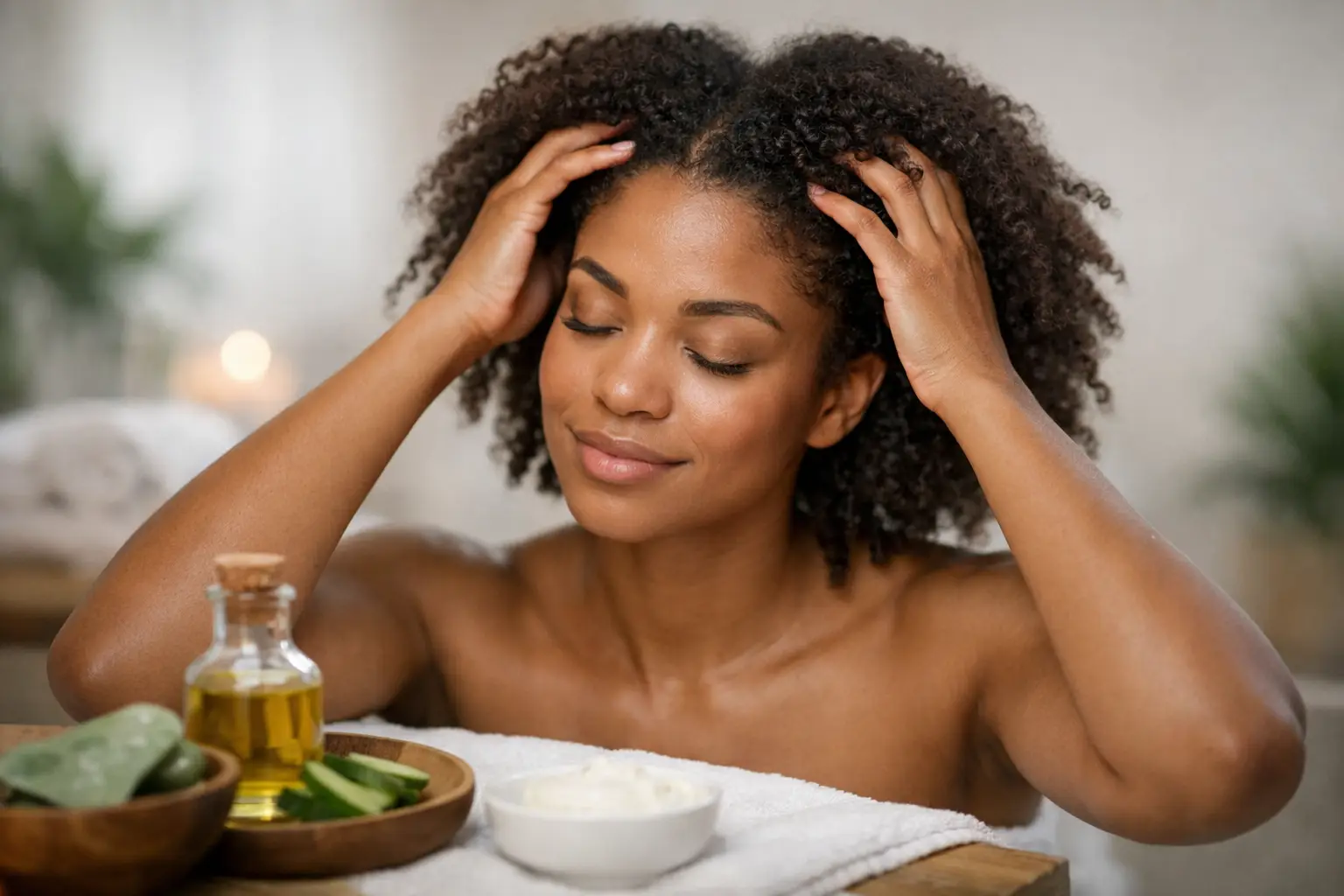
    Aloe vera is another strong option when the scalp feels tight, itchy, or overheated. Pure aloe gel can be applied directly to the scalp for 10 to 15 minutes before rinsing. Many people like it because it feels light, soothing, and less messy than heavier oils. For some, it helps calm visible dryness without leaving residue behind.

    Honey also deserves attention, especially for hair that feels dry but lacks shine. Mixed into a simple mask with plain yogurt or aloe vera, honey can help draw in moisture and soften the hair surface. The texture matters here. Use a small amount and rinse thoroughly, because too much can make the hair feel sticky instead of nourished.

    Natural hair care home remedies for dandruff and itching

    Not every flaky scalp is true dandruff. Sometimes the issue is simple dryness, while other times it is oil imbalance, irritation, or scalp buildup. That distinction matters because the wrong remedy can make symptoms worse.

    For mild flaking with oiliness or residue, a diluted apple cider vinegar rinse may help refresh the scalp. Mix a small amount with water, apply after shampooing, let it sit briefly, then rinse well. This can help cut through buildup and leave the scalp feeling cleaner. It should not sting. If it does, dilute it more or stop using it.

    Tea tree oil is often mentioned for dandruff, but it needs caution. It should never be applied directly to the scalp without a carrier oil or a properly formulated hair product. A few diluted drops blended into a carrier oil may help some people with itchiness, but sensitive skin can react quickly. Patch testing is worth the extra step.

    If dandruff is persistent, thick, or accompanied by redness, home remedies may not be enough. That is usually the point where a dedicated scalp treatment or professional evaluation makes more sense than repeating DIY experiments.

    Strength-focused remedies for weak or rough hair

    Hair that breaks easily often needs both moisture and less friction. One helpful remedy is an egg and olive oil mask, used occasionally on strands rather than the scalp. Egg can temporarily improve the feel of damaged hair, while olive oil adds softness and slip. For best results, rinse with cool or lukewarm water so the mixture does not set into the hair.

    Another gentle option is mashed avocado mixed with a little coconut oil or honey. This kind of mask works well for thick, textured, or curly hair that loses moisture quickly. It can leave the hair feeling smoother and more manageable after one use, although it is not a repair treatment in the medical sense. It improves condition and appearance, which is still valuable.

    Rice water is another remedy people often try for hair strength. Some find that it makes hair feel stronger and look shinier, while others experience stiffness if they use it too often. That is the trade-off. If you try rice water, use it occasionally and pay attention to how your hair responds.

    When beard care needs the same natural approach

    The skin under a beard can develop many of the same issues as the scalp – dryness, itching, flaking, and rough texture. In that sense, beard care is not separate from hair care. It is simply a smaller area with the same need for hydration, comfort, and clean ingredients.

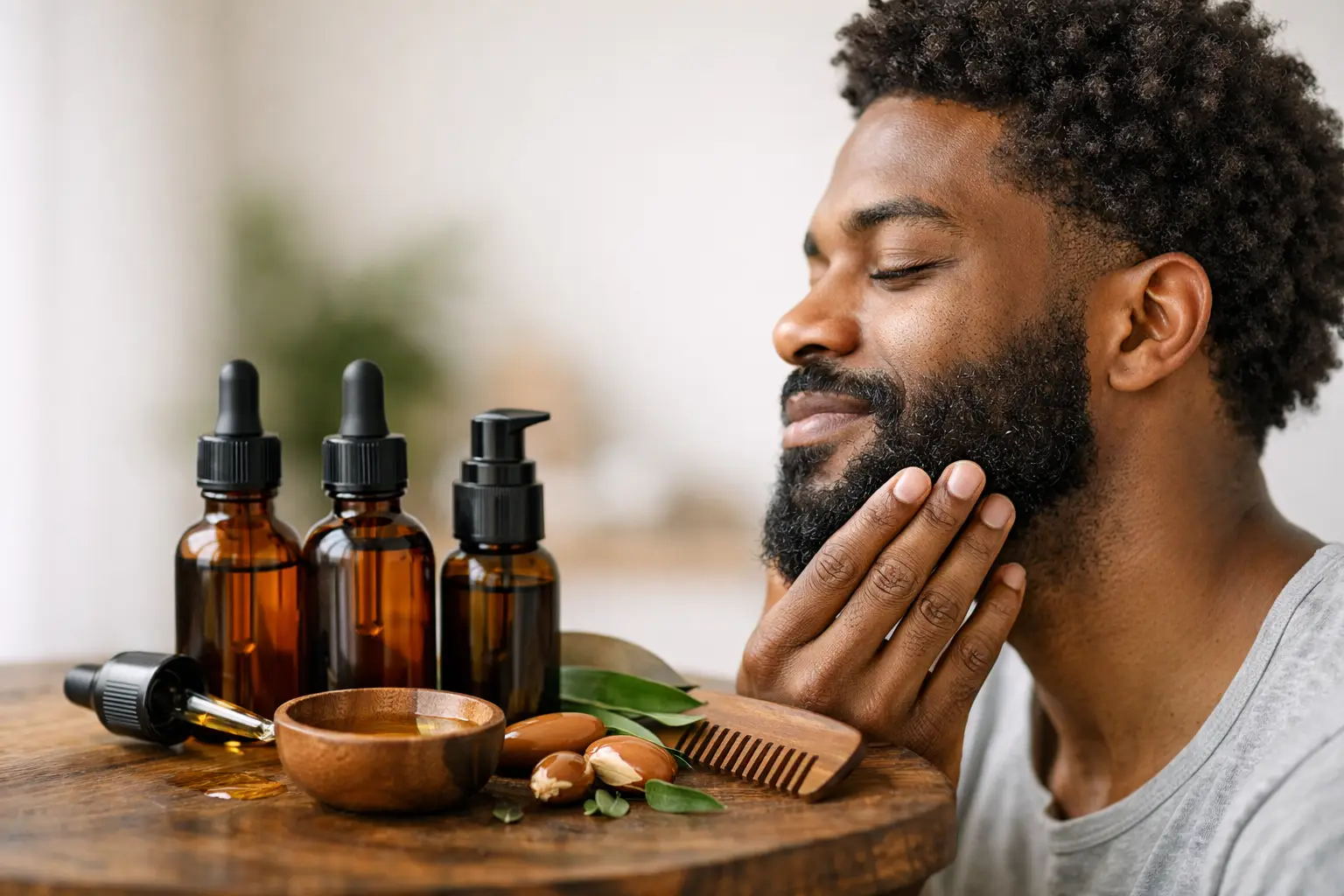
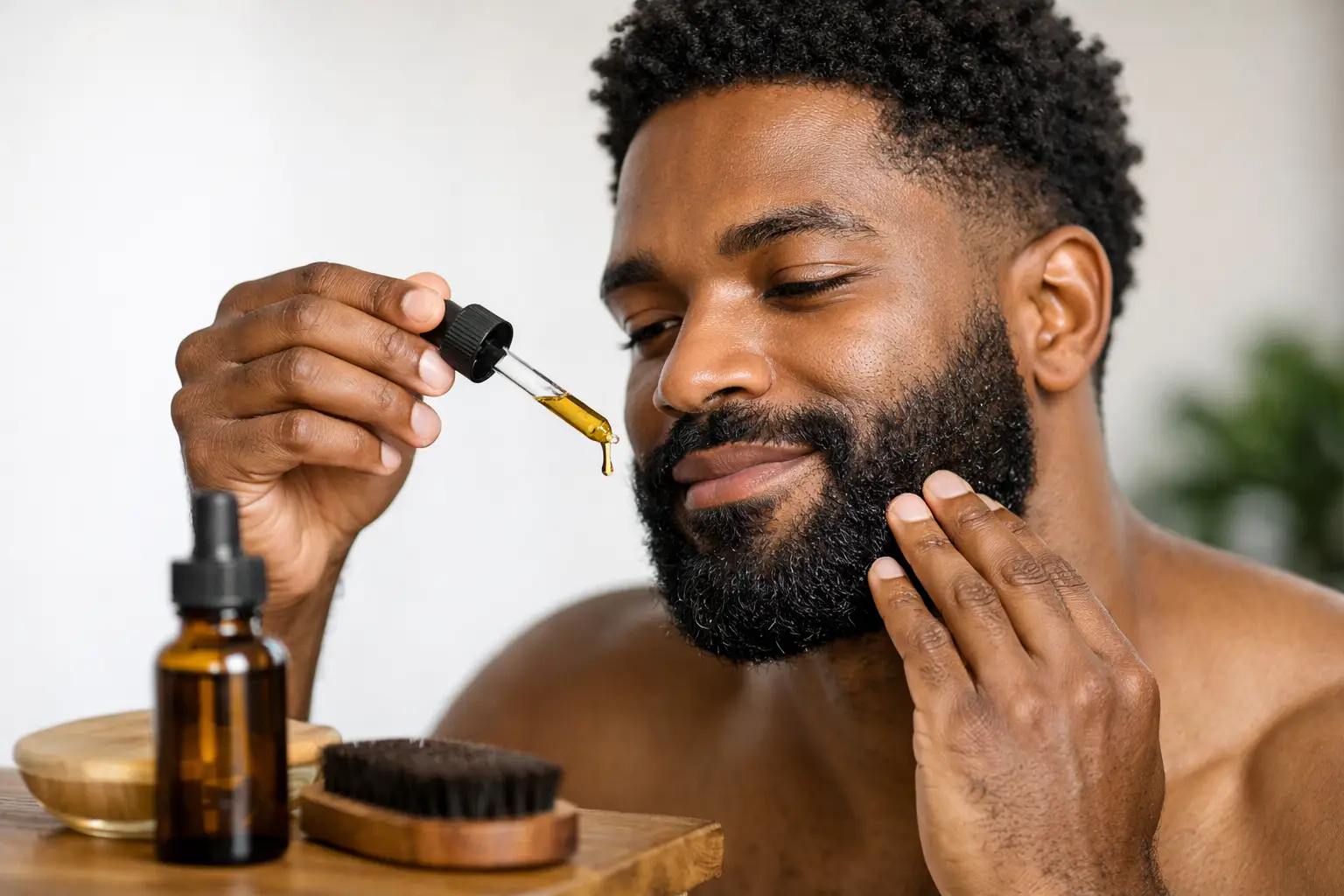
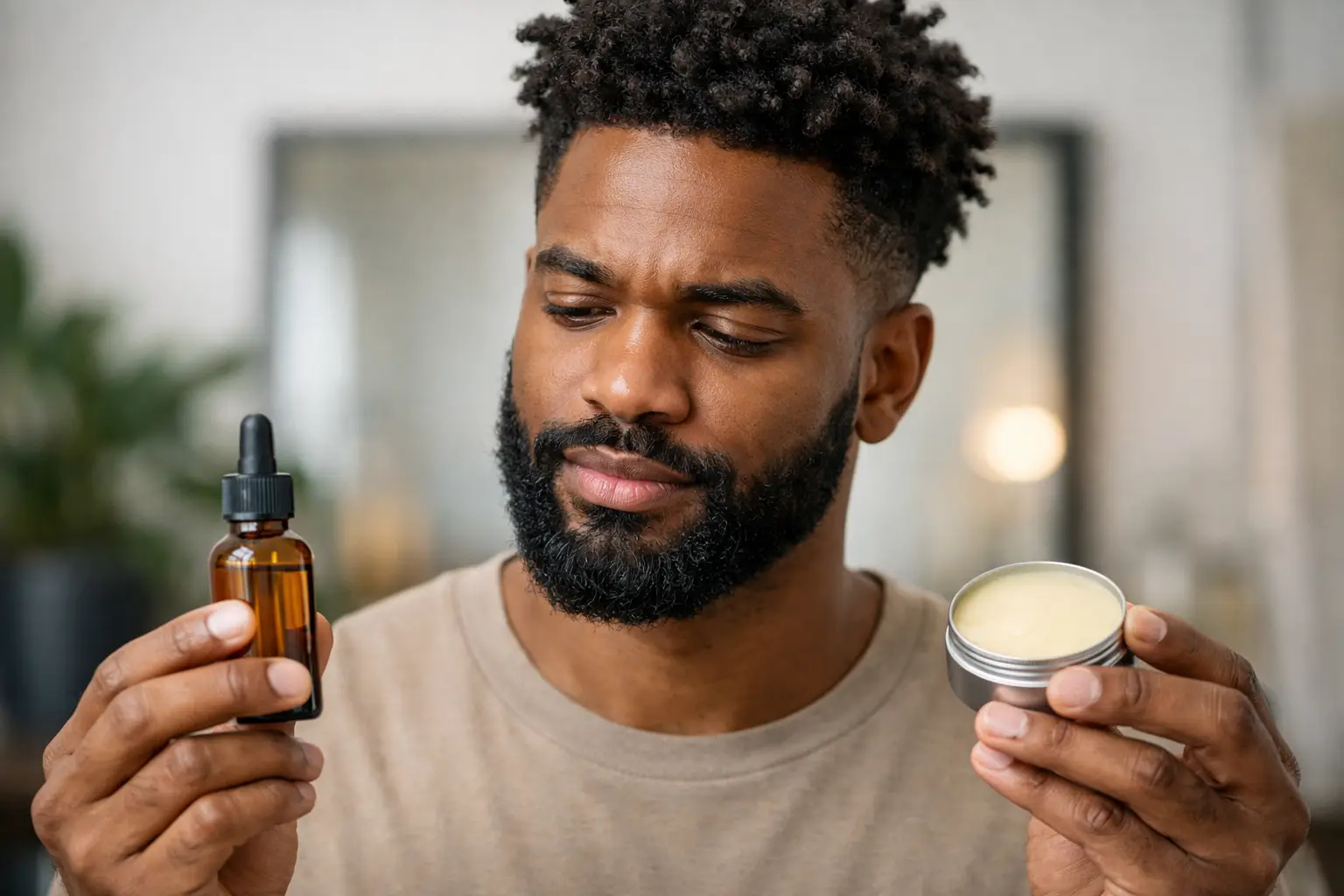
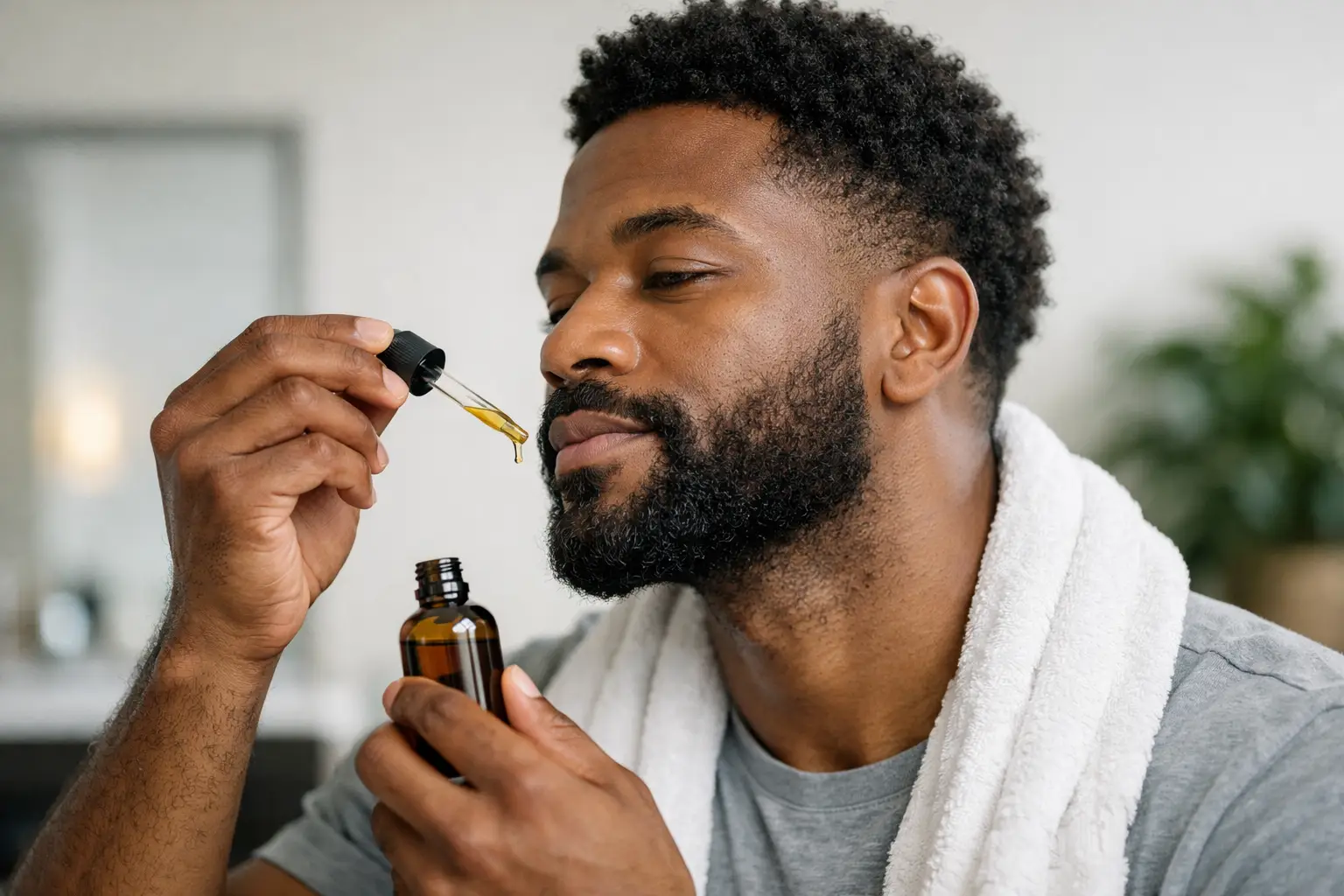
    A light botanical oil can help soften beard hair and reduce that dry, irritated feeling underneath. The goal is not to drench the beard but to restore balance. When beard hair feels coarse, the skin often feels neglected too. Ingredient-conscious grooming works best when it supports both.

    That is one reason brands like Mimea Herb focus on herbal care that feels restorative but still performs. People want natural ingredients, but they also want visible comfort and a routine they can trust.

    How to use home remedies without damaging your routine

    The most common mistake with DIY care is overdoing it. More oil, more masks, and more rinses do not always mean better results. Hair responds better to consistency than intensity.

    Start with one remedy that matches your main concern. If you have dry ends, use a weekly oil treatment. If your scalp feels irritated, try aloe vera first. If buildup is the problem, use a diluted rinse sparingly. Give each remedy time to show you whether it actually helps.

    It also helps to keep your base routine simple. Use a gentle cleanser, avoid very hot water, and limit heavy styling products if your scalp is already struggling. Home remedies tend to work better when they are supporting a balanced routine instead of compensating for a harsh one.

    Patch testing matters more than many people realize. Natural ingredients can still trigger irritation, especially on compromised or flaky skin. Test on a small area before applying anything widely, particularly with essential oils, vinegar, or new plant ingredients.

    What home remedies can and cannot do

    Natural care can improve softness, reduce dryness, calm mild irritation, and help hair look healthier over time. It can support a healthier scalp environment, which matters for overall growth and comfort. What it usually cannot do is reverse severe hair loss, cure chronic scalp disorders, or fully repair heavily damaged hair.

    That does not make home remedies less useful. It simply sets the right expectation. The most effective natural care is practical, not dramatic. You are building better conditions for healthier-looking hair, not forcing overnight transformation.

    If your scalp is consistently inflamed, your shedding has changed suddenly, or your beard area is breaking out or burning after products, that is a signal to stop experimenting and choose a more targeted solution.

    A good hair routine should leave you feeling more comfortable and more confident, not confused by ten different treatments on your bathroom shelf. Start with what your hair is asking for most – moisture, scalp relief, or strength – and keep your remedies simple enough to repeat. That is usually where natural care delivers its best results.

  • Natural Hair Care Solutions That Work

    Natural Hair Care Solutions That Work

    Dryness that comes back two days after wash day, a beard that feels coarse no matter how much oil you use, or a scalp that stays irritated despite trying product after product – these are the moments that push people to look for natural hair care solutions that do more than make hair look good for a few hours. Real care starts with the condition of the scalp, the strength of the hair, and the ingredients you use consistently.

    Natural care has earned attention for a reason. Many people are trying to move away from harsh routines that strip moisture, trigger itching, or leave buildup behind. But natural does not automatically mean effective. The best approach is thoughtful, ingredient-conscious care that hydrates, soothes, and supports healthy growth over time.

    What natural hair care solutions should actually do

    A good routine should solve a real problem, not just add another bottle to the shelf. If your scalp feels tight after washing, you need moisture support. If you are dealing with flakes, itching, or irritation, scalp comfort has to come first. If hair or beard growth seems weak or uneven, nourishment matters more than heavy styling products that only mask the issue.

    That is where natural hair care solutions stand apart when they are formulated well. Herbal extracts and plant oils can help replenish lost moisture, soften rough texture, calm scalp discomfort, and create a healthier environment for stronger-looking hair. The goal is not instant perfection. The goal is hair and beard care that feels restorative and performs consistently.

    Start with the scalp, not just the strands

    People often focus on the visible part of the hair and forget the skin underneath. Yet scalp condition affects nearly everything – how comfortable your hair feels, how much dryness you notice, and how manageable your hair becomes between washes.

    A dry or irritated scalp can come from over-cleansing, harsh ingredients, weather changes, product buildup, or simply using the wrong routine for your skin. When the scalp barrier is stressed, you may notice flaking, itching, tenderness, or a rough feeling at the roots. In beard care, the same issue can show up as beard dandruff, itchiness, and dry skin under the hair.

    Natural solutions can help here when they focus on balance. Herbal scalp treatments and shampoos with nourishing oils are often better suited to comfort-driven care than formulas designed only to deep clean. Cleansing is still essential, but stripping away too much oil can make the problem worse.

    The role of herbal ingredients in healthier hair care

    Herbal ingredients matter because they often bring more than one benefit at a time. A well-chosen botanical formula can cleanse while helping maintain moisture, or soothe the scalp while supporting softness and shine.

    Oils are especially useful in this space. Plant-based oils can help reduce roughness, soften coarse beard hair, and seal in hydration after washing. That said, not every oil works the same way for every person. Heavier oils may feel rich and protective for very dry hair, while finer textures may respond better to lighter oils that condition without feeling greasy.

    Herbal extracts also play an important role in scalp-focused care. When your goal is less irritation and better comfort, ingredients known for their soothing and nourishing qualities can make a visible difference over time. The key is consistency. Natural care tends to reward regular use rather than quick switching between products.

    Natural hair care solutions for common concerns

    If dryness is your main issue, start by looking at how often you wash and what you wash with. A shampoo that leaves hair squeaky clean may also be pulling away the moisture your scalp and strands need. In many cases, a more nourishing cleanser helps restore balance without leaving residue behind.

    If dandruff or flaking is the concern, it helps to be honest about the source. Some flakes come from dryness. Others are tied to irritation or excess oil mixed with buildup. That is why anti-dandruff support works best when it does two things at once – clears the scalp while also calming it. Overly aggressive treatment can reduce flakes for a moment, then leave the scalp even more reactive.

    If your beard feels brittle, patchy, or uncomfortable, the skin underneath may need more attention than the hair itself. Beard oils can help soften texture and improve appearance, but they are also valuable because they condition the skin below. A beard that looks healthier usually starts with skin that is hydrated and less irritated.

    If weak growth is the frustration, it helps to set realistic expectations. No product can override genetics, stress, or underlying health issues. What natural care can do is support the environment around the follicle by minimizing dryness, breakage, and scalp stress. That makes a difference in how full, healthy, and manageable hair or beard growth appears.

    How to build a routine that feels simple and effective

    The most effective routine is usually not the most complicated one. Start with three basics: a nourishing cleanser, a targeted scalp treatment if needed, and a conditioning oil for moisture support. This kind of structure works for both hair and beard care because it addresses cleansing, treatment, and protection without overwhelming the skin.

    Wash with purpose, not habit. If your scalp gets oily quickly or you use styling products often, you may need more frequent cleansing. If your hair is very dry or your beard becomes rough after washing, pulling back slightly may help preserve comfort. There is no universal schedule. The right rhythm depends on your scalp, your texture, and how your hair responds.

    After cleansing, pay attention to moisture. This is the point where many routines fail. Hair may feel clean, but if hydration is not restored, dryness returns fast. A treatment oil or nourishing leave-in step can help maintain softness and reduce that tight, stripped feeling.

    For scalp or dandruff concerns, consistency matters more than intensity. Gentle, regular care usually outperforms occasional aggressive treatment. If a product stings, over-dries, or leaves the scalp uncomfortable, it is probably not helping the long-term condition of your hair.

    What to avoid when choosing natural care

    Ingredient-conscious shoppers are right to read labels carefully, but it also helps to look beyond front-label claims. A product can market itself as natural and still fall short on performance. If it does not address hydration, scalp comfort, or manageability, the label alone does not mean much.

    Be cautious with routines that rely on too many strong cleansers or heavily fragranced formulas if you already deal with dryness or irritation. Also watch for the temptation to over-apply oils. A moderate amount can nourish and soften. Too much can sit on the surface, attract buildup, and leave hair feeling heavy rather than healthy.

    Natural care works best when the formula respects both the hair and the skin. That balance is what turns a product from a trend into a useful part of your routine.

    A more restorative way to care for hair and beard

    The best natural hair care solutions are not about chasing perfection. They are about creating a routine that supports healthier hair, calmer skin, and more confidence day to day. That may mean choosing a shampoo that cleans without stripping, a scalp treatment that comforts while it works, or a beard oil that does more than add shine.

    For people who want practical, herbal care with visible purpose, that kind of routine feels less like maintenance and more like restoration. Mimea Herb Hair Care Solutions reflects that idea well – ingredient-conscious grooming that nourishes, hydrates, and supports healthy growth without unnecessary complication.

    If your current routine leaves your scalp uncomfortable or your hair still asking for help, that is usually a sign to simplify and choose products that treat the root of the problem, not just the surface.