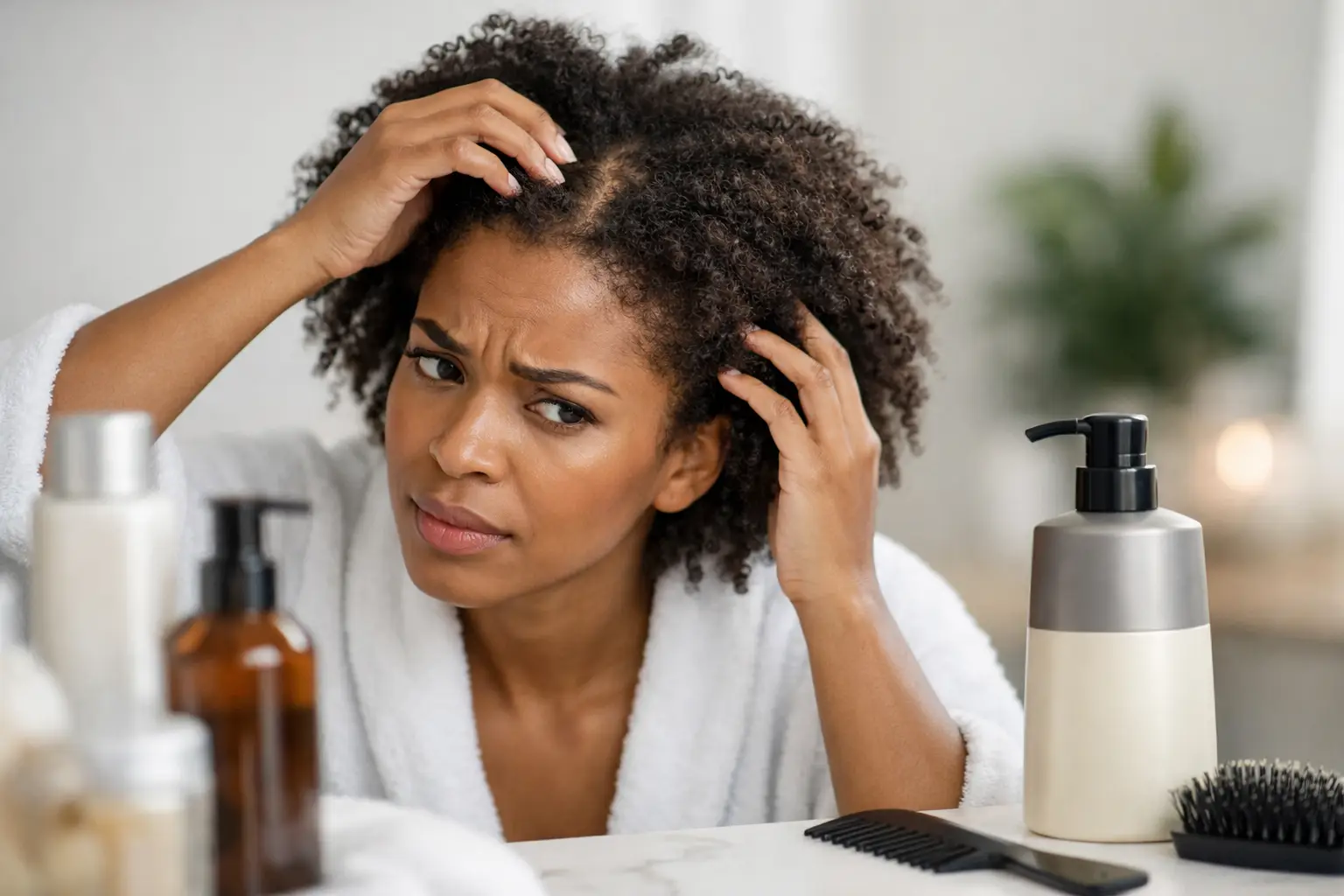
When your hair starts feeling finer in the shower, flatter at the roots, or easier to break when you brush, the product you use most often deserves a closer look. The right shampoo for weak thinning hair should do more than clean – it should support scalp comfort, reduce unnecessary stress on fragile strands, and help create better conditions for healthier-looking growth.
Not every thinning pattern has the same cause. For some people, it follows stress, age, hormones, or seasonal shedding. For others, the bigger issue is dryness, irritation, product buildup, or over-washing with harsh formulas. That is why a good shampoo is not a cure-all, but it can be an important part of a more supportive routine.
What weak thinning hair actually needs
Weak thinning hair usually needs two things at once: gentle cleansing and meaningful nourishment. If a shampoo strips too aggressively, hair can feel rougher, look dull, and break more easily. If it is too heavy, it can leave the scalp congested and the hair limp. The balance matters.
A helpful formula focuses on scalp health first. Healthy-looking hair growth begins at the scalp, so ingredients that help calm dryness, reduce itch, and maintain hydration often do more than formulas that simply promise volume. Hair that is already thinning tends to show stress quickly. Even mild scalp discomfort can lead to scratching, inflammation, or inconsistent cleansing habits that make the situation worse.
The second priority is strand integrity. Weak hair benefits from shampoos that leave it softer, smoother, and less prone to snapping during washing and styling. That means looking for formulas that support moisture, reduce friction, and avoid turning every wash day into a stress test.
How to choose a shampoo for weak thinning hair
Start with the ingredient story, not the label claims. Words like strengthening, thickening, and energizing can sound promising, but the formula matters more than the front of the bottle. A well-made shampoo for weak thinning hair should cleanse without leaving the scalp tight or the hair squeaky.
Botanical ingredients can be especially helpful here when they are selected for function, not marketing. Herbal extracts and plant oils are often used to support hydration, soothe irritation, and improve the overall feel of the hair. That matters because weak hair usually responds better to care that restores balance than to aggressive treatment.
Look for formulas that help nourish both scalp and strands. Herbal blends, lightweight moisturizing oils, and ingredients known for supporting scalp comfort can make a noticeable difference over time. If your scalp often feels itchy, flaky, or dry, that is not a side issue. It is part of the same conversation.
At the same time, be realistic about what shampoo can and cannot do. A shampoo cannot reverse every cause of thinning, especially when genetics or medical conditions are involved. What it can do is reduce avoidable damage, improve the look and feel of your hair, and support a healthier routine that does not work against your scalp.
Ingredients that tend to help
For people shopping with an ingredient-conscious mindset, a few categories are worth paying attention to. Herbal ingredients that support scalp comfort can be valuable if thinning is paired with dryness, sensitivity, or dandruff. Moisturizing oils can help weak strands stay more flexible, which may reduce breakage. Gentle cleansers matter just as much, because a harsh base can cancel out the benefits of the more nourishing ingredients.
This is where natural hair care often stands apart when it is done well. A botanical formula should not just sound clean. It should deliver practical results like a calmer scalp, better hydration, and hair that feels less brittle after rinsing. That is the difference between a product that fits a wellness routine and one that only looks appealing on the shelf.
Some people also benefit from ingredients associated with scalp stimulation and circulation support, but those should still be part of a balanced formula. If a shampoo feels overly intense, strongly fragranced, or drying, it may not be the right match for fragile hair, no matter how impressive the ingredient list appears.
What to avoid if your hair is thinning
The wrong shampoo can make weak hair look worse very quickly. Strong detergents, drying alcohols in high amounts, and formulas that leave the scalp stripped can increase roughness and breakage. Heavy residue can also be a problem, especially if the scalp already feels congested or oily between washes.
Overly fragranced products can be another issue for sensitive scalps. If your scalp is already irritated, perfume-heavy formulas may leave it more reactive. That does not mean every scented product is bad, but it does mean comfort should come first.
Be careful with shampoos that promise dramatic thickening after one use. Some create that effect with coating ingredients that temporarily make hair feel fuller while doing very little for actual hair health. For weak thinning hair, long-term support is usually more valuable than a short-lived cosmetic result.
Why scalp comfort matters more than most people think
People often focus on the strands they can see and overlook the scalp underneath. But if your scalp is dry, itchy, flaky, or inflamed, your routine is already off balance. Healthy-looking hair is easier to support when the scalp is clean, comfortable, and not under constant stress.
That is one reason herbal care can be such a strong fit for this category. A well-formulated botanical shampoo can help cleanse away buildup while still respecting the scalp barrier. When your scalp feels balanced, it is easier to stay consistent with washing, scalp massage, and overall care. Consistency often matters more than chasing the strongest treatment.
For adult men balancing scalp care with beard grooming needs, this matters even more. Dryness and irritation do not always stop at the hairline. A grooming routine built around hydration and comfort tends to feel more sustainable, and sustainable routines are the ones people actually keep.
How to use shampoo for better results
Even a good formula can underperform if the washing routine is too rough. Water that is too hot can dry the scalp and leave hair feeling weaker. Scrubbing aggressively with nails can irritate the skin and tangle fragile strands. Rushing through the rinse can leave residue behind.
A better approach is simple. Wet the hair thoroughly, use a moderate amount of shampoo, and massage it into the scalp with your fingertips instead of scraping with your nails. Let the lather move through the lengths without rough handling. Then rinse completely. If you use styling products or deal with buildup, a second gentle wash may help, but daily over-washing is not always the answer.
Follow with moisture where needed. Weak hair often benefits from a routine that does not stop at cleansing. If the scalp is dry or the strands feel brittle, adding hydration through compatible products can help preserve softness and reduce breakage between washes.
When a natural shampoo is the better choice
A natural or herbal shampoo makes the most sense when your hair concerns are connected to dryness, scalp discomfort, buildup, or sensitivity to harsh formulas. In those cases, choosing a product built around nourishment and comfort can improve the condition of both your scalp and hair over time.
This does not mean every natural shampoo is automatically effective. Some are too mild to cleanse well, while others rely on appealing ingredient names without enough performance behind them. The best formulas are the ones that combine plant-based care with clear purpose: clean gently, hydrate well, support the scalp, and leave the hair feeling stronger rather than stripped.
That practical balance is what many people are looking for now. They do not just want cleaner labels. They want products that help them feel more confident in the mirror and more comfortable in their routine.
For shoppers who prefer plant-based grooming with visible benefits, Mimea Herb reflects that approach well. The focus is not on covering up hair concerns with cosmetic claims, but on using herbal care to support hydration, nourishment, and healthier hair and scalp habits.
What to expect over time
The best shampoo for weak thinning hair usually shows its value in small, steady improvements. Your scalp may feel less itchy. Your hair may be easier to wash without tangling. Breakage may appear reduced, and your hair may look a little fuller simply because it is less dry and stressed.
Results depend on the cause of thinning. If the issue is mostly breakage and scalp imbalance, the right shampoo can make a visible difference. If thinning is more advanced or linked to hormones or health conditions, shampoo should be seen as supportive care, not a complete fix. That is still worthwhile. Better cleansing, better hydration, and better scalp comfort can all help your hair look and feel more resilient.
If your hair has been asking for a gentler routine, listen to that early signal. A shampoo should not leave you feeling stripped, irritated, or uncertain after every wash. The right one supports your scalp, respects fragile strands, and gives your hair a healthier foundation to grow from.
Leave a Reply