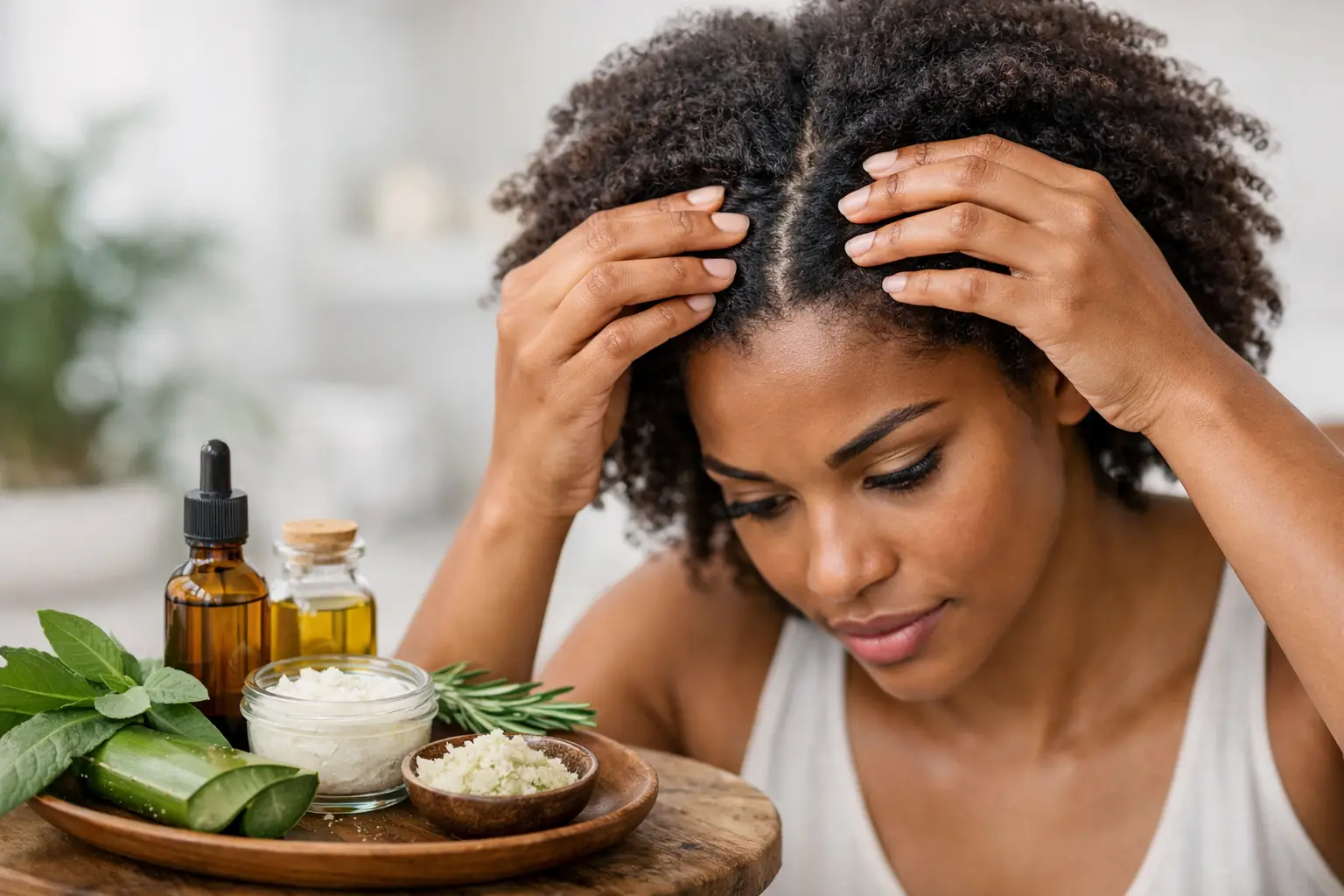
Flakes on a dark shirt are frustrating. A tight, itchy scalp is worse. If you are looking for a plant based dandruff treatment, the goal is not to mask the problem for a day. It is to calm the scalp, reduce visible flaking, and support a healthier moisture balance so irritation is less likely to keep coming back.
Dandruff is often treated like a simple cosmetic issue, but most people know it feels more personal than that. When your scalp is uncomfortable, your whole grooming routine can feel off. You may wash more often, scrub harder, or switch products constantly, only to end up with more dryness and more flakes. A better approach starts with understanding what your scalp actually needs.
What a plant based dandruff treatment should do
A good plant based dandruff treatment should do three things at once. It should help loosen and reduce flakes, soothe irritation, and support the scalp barrier so dryness does not keep triggering the same cycle. That balance matters.
Some dandruff formulas work fast but leave the scalp stripped. You see fewer flakes for a short time, but then tightness, itching, and irritation return. Plant-based care can be especially helpful here because many botanical ingredients are naturally rich in fatty acids, calming compounds, and lightweight moisture that support the skin rather than overwhelming it.
That does not mean every natural product is automatically effective. Oils that are too heavy can sit on the scalp and create buildup. Strong essential oils can irritate sensitive skin if the formula is not well balanced. The best results usually come from herbal ingredients chosen for a clear purpose, not from a long ingredient list that only sounds impressive.
Why dandruff happens in the first place
Dandruff is usually linked to a mix of oil levels, scalp sensitivity, product buildup, and a yeast that naturally lives on the skin. For some people, the issue is mostly dry scalp. For others, it is irritation combined with excess oil. That is why one person improves by hydrating the scalp, while another needs better cleansing and less buildup.
This is also why treating dandruff with a one-size-fits-all routine often falls short. If your scalp is already irritated, harsh cleansers can make it worse. If your scalp is oily and congested, heavy butters and thick oils can increase flaking instead of reducing it. The right routine depends on whether your scalp is dry, reactive, oily, or dealing with all three at different times.
Season, stress, sweat, and grooming habits can all affect the scalp. Colder weather often brings more dryness. Hot weather, hats, and workouts can increase oil and buildup. Beard wearers may notice a similar pattern under facial hair, where the skin becomes dry, itchy, and flaky because moisture is trapped unevenly or cleansers are too aggressive.
The botanical ingredients worth looking for
When choosing a plant based dandruff treatment, look past the marketing and focus on function. Herbal oils and plant extracts should earn their place in the formula by doing something useful for scalp comfort.
Tea tree is often used because it helps freshen the scalp and support a cleaner environment when flaking is linked to oil and buildup. It can be effective, but strength matters. Too much can feel harsh on sensitive skin.
Neem is another well-known botanical for scalp care. It is valued for helping address visible flaking and discomfort while supporting overall scalp balance. Rosemary is often included to help invigorate the scalp and complement a healthy grooming routine focused on stronger-looking hair.
Aloe vera is especially helpful when itching and dryness are part of the picture. It brings light hydration and a cooling feel without making the scalp greasy. Jojoba oil works differently. Because it is lightweight and similar to the skin’s natural oils, it can help soften flakes and support moisture balance without the heaviness of richer oils.
Other supportive ingredients include peppermint in gentle amounts, black seed oil, coconut-derived cleansers, and nourishing herbal infusions that help the scalp feel calmer and more comfortable. The formula matters more than any single ingredient. A scalp treatment should feel supportive, not intense.
How to use plant based dandruff treatment for real results
Consistency matters more than intensity. Scrubbing your scalp aggressively or applying too much product rarely improves dandruff. In many cases, it adds irritation and keeps the cycle going.
Start with a gentle cleansing routine. Shampoo often enough to remove oil, sweat, and buildup, but not so often that the scalp feels stripped. For some people, that means every other day. For others, two to three times a week is enough. If flakes increase quickly after sweating or using styling products, cleansing frequency may need to go up.
Use your fingertips, not your nails, to massage the scalp. This helps lift buildup without damaging the skin. Let the shampoo sit briefly before rinsing so the active botanicals have time to do their job.
If you use a scalp oil or herbal treatment, apply a small amount directly to the scalp instead of coating the hair only. Focus on dry, itchy areas. A few drops can be enough. More is not always better, especially if your scalp tends to run oily.
If your dandruff shows up in the beard area, cleanse the skin under the beard, not just the beard hair itself. Then follow with a lightweight botanical oil that helps soften hair and hydrate the skin underneath. This is one of the easiest ways to reduce beard flakes and the itch that often comes with them.
What to avoid if your scalp is flaking
The wrong routine can cancel out a good product. Very hot water can dry the scalp and increase irritation. Heavy styling products can cling to the scalp and create buildup that looks like dandruff or makes existing flakes worse. Strong fragrances and alcohol-heavy formulas may also trigger sensitivity in people whose scalp is already reactive.
Switching products every few days is another common mistake. A scalp needs time to respond. If a botanical treatment is gentle and well formulated, give it a fair trial before deciding it is not working. At the same time, if a product burns, causes redness, or seems to increase flaking, that is a sign to stop.
When plant based care works best
A plant based dandruff treatment tends to work best for mild to moderate dandruff, dry scalp discomfort, seasonal flaking, beard dandruff, and ongoing maintenance after the scalp has improved. It is a strong option for people who want a more ingredient-conscious routine and do not want to rely only on harsh cleansers.
It can also be a practical choice for people who value daily comfort as much as appearance. A calmer scalp usually means less scratching, less visible flaking, and a grooming routine that feels easier to maintain.
Mimea Herb’s approach fits this need well – using botanical care to nourish the scalp, support hydration, and help reduce the discomfort that makes dandruff harder to manage.
When you may need more than a plant based dandruff treatment
There are times when flakes are not just dandruff. If you have thick scales, persistent redness, cracking, bleeding, or severe irritation, it may be time to speak with a dermatologist. Conditions like seborrheic dermatitis, psoriasis, eczema, or fungal-related issues can look similar at first but need a more specific plan.
Plant-based care can still play a supportive role in a broader routine, especially for hydration and comfort, but it should not replace medical guidance when symptoms are intense or ongoing.
Building a routine your scalp can stick with
The best scalp routine is one you can repeat without overthinking it. Cleanse gently, treat the scalp with purposeful botanical ingredients, and pay attention to how your skin responds over time. If your scalp feels calmer, less itchy, and less flaky week after week, you are moving in the right direction.
Healthy grooming does not need to be harsh to be effective. Sometimes the strongest results come from giving the scalp what it has been missing all along – steady care, balanced moisture, and ingredients chosen to restore comfort instead of fighting the skin. That is where plant-based treatment can make a real difference.
Leave a Reply