
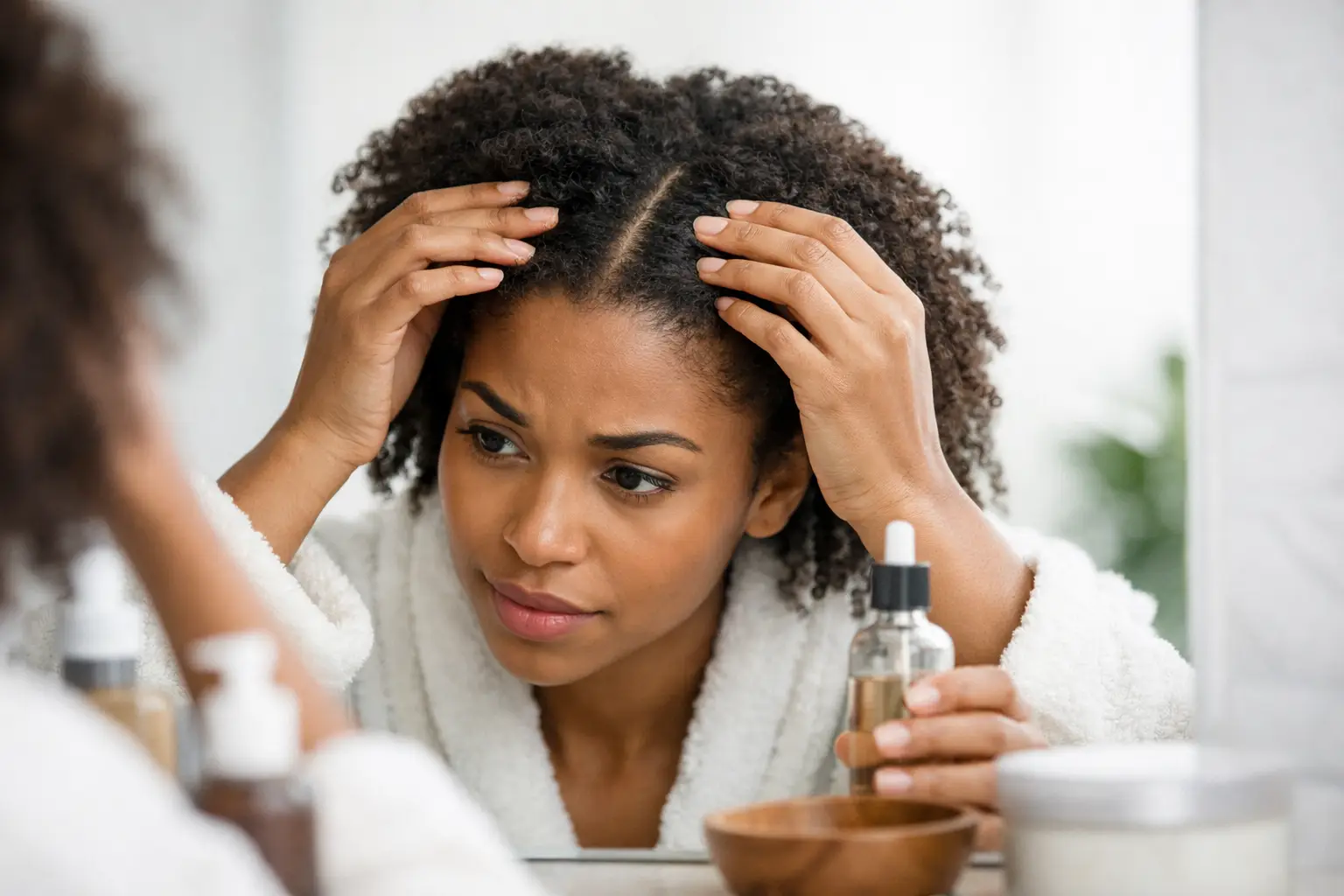
White flakes on your collar or a persistent itchy feeling after washing can make even a simple grooming routine feel frustrating. Learning how to reduce scalp flakes begins with looking beyond the flakes themselves. Your scalp may be reacting to dryness, product buildup, excess oil, irritation, or a combination of all four. The goal is not to strip it aggressively. It is to cleanse with care, restore balance, and give your scalp the consistent support it needs.
Start by Understanding What Your Scalp Needs
Scalp flakes are not always the same. Fine, dry flakes that fall easily from the hair often point to dehydration or irritation. Greasy, yellowish flakes that cling to the scalp can be associated with dandruff, which may develop when oil, skin-cell turnover, and naturally occurring yeast are out of balance. Heavy styling products, infrequent washing, and sweat can also create buildup that looks like dandruff.
That distinction matters because a harsh routine can make a dry scalp feel tighter and flakier, while an overly rich routine may leave an oily, buildup-prone scalp feeling heavier. Instead of treating every flake as a reason to scrub harder, pay attention to what happens before and after you wash. Is your scalp tight? Does it become oily quickly? Does it itch after a particular product? Those details can guide a more effective routine.
Seasonal changes can play a role as well. Indoor heat, dry air, cold weather, and frequent hot showers can pull moisture from the scalp. On the other hand, humid weather, hats, workouts, and oil-based styling products can increase residue. Your routine may need a small adjustment as your environment changes.
How to Reduce Scalp Flakes With a Better Wash Routine
A healthy wash routine is often the most practical place to begin. Cleanse often enough to remove oil, sweat, and styling residue, but not so aggressively that your scalp feels dry or uncomfortable afterward. For many people, washing two to four times a week works well. If you have very oily hair, exercise frequently, or use heavier products, you may need to wash more often. If your hair is coarse, curly, or naturally dry, fewer wash days with a gentle cleanser may be a better fit.
Choose a shampoo made to cleanse without leaving the scalp feeling stripped. Ingredient-conscious formulas with botanical extracts and nourishing oils can be especially useful when dryness and irritation are part of the problem. Look for a formula that supports scalp comfort while removing daily buildup, rather than relying on a harsh, squeaky-clean feeling as proof that it worked.
Use lukewarm water instead of very hot water. Hot water can feel relaxing, but it may worsen dryness by removing too much of the scalp’s natural protective oil. Apply shampoo directly to the scalp, then massage gently with your fingertips for about a minute. Do not use your nails. Scratching can create irritation and may make visible flakes more noticeable.
Rinse thoroughly. Shampoo or conditioner left near the roots can create a residue that resembles flakes, particularly if you use dense creams, oils, or leave-in products. Follow with conditioner mainly through the mid-lengths and ends of your hair unless the product is specifically designed for scalp use.
Remove Buildup Without Over-Exfoliating
Buildup is a common reason flakes seem to return quickly. Dry shampoo, pomades, hair sprays, butters, and even some natural oils can collect on the scalp over time. This does not mean you need to avoid every styling product. It means your cleansing routine should match what you use.
If your hair feels coated, looks dull at the roots, or develops flakes soon after washing, consider using a clarifying shampoo occasionally. For many people, once or twice a month is enough. Clarifying too often can leave the scalp dry, especially if you already deal with tightness or fine, powdery flakes.
Physical scalp scrubs also require restraint. A gentle exfoliating treatment can help loosen buildup for some scalp types, but rough particles or frequent scrubbing can create more irritation than relief. If you try one, use light pressure and limit it to occasional use. A calm scalp responds better to consistency than to aggressive treatments.
Restore Moisture Where It Counts
Dryness is not always caused by a lack of oil. Sometimes it is caused by cleansing too frequently, washing with hot water, using irritating fragrance-heavy products, or exposing the scalp to dry air. Hydration-focused care can help improve the scalp’s comfort and reduce the appearance of fine flakes.
A lightweight scalp treatment may be helpful after cleansing, especially when your scalp feels tight or itchy. Choose products designed for the scalp rather than applying heavy hair oils directly at the roots. While natural oils can feel nourishing, too much oil can trap dead skin cells and contribute to buildup for some people. Start with a small amount, monitor how your scalp responds, and adjust from there.
Botanical ingredients can be a thoughtful part of a gentle routine when they are well formulated. Herbal extracts and plant-based oils may help support a nourished feel, but natural does not automatically mean non-irritating. Essential oils and fragranced blends can bother sensitive skin. Patch test a new product and stop using it if burning, redness, or worsening itch develops.
Mimea Herb’s anti-dandruff and scalp treatment is designed around this balanced approach: supporting scalp comfort with ingredient-conscious care while helping reduce the dryness and buildup that can affect a confident grooming routine.
Keep Your Daily Habits Scalp-Friendly
The products that touch your scalp are only one part of the picture. Small habits can either support or interrupt your progress. Avoid picking at flakes, even when the urge is strong. Picking can inflame the skin, spread product residue through the hair, and lead to more visible shedding.
Clean items that regularly touch your hair and scalp. Pillowcases, hats, combs, brushes, and hair clippers can collect oil and product residue over time. You do not need to sanitize everything daily, but regular cleaning is a simple way to prevent old buildup from returning to freshly washed hair.
Be mindful of styling placement. Apply pomades, creams, and oils sparingly and focus them on the hair rather than the scalp when possible. If you wear protective styles, braids, wigs, or tight headwear, make sure your scalp has opportunities to be cleansed and dried properly. Constant friction, trapped sweat, or tension can contribute to discomfort and flaking.
Stress, sleep, and overall skin sensitivity can also affect scalp health. These factors do not cause every case of flakes, but they can influence how reactive your skin feels. A steady routine, adequate rest, and avoiding known irritants can make a meaningful difference over time.
When an Anti-Dandruff Shampoo Makes Sense
If flakes are oily, thick, persistent, or paired with significant itch, an over-the-counter anti-dandruff shampoo may be more appropriate than moisture-focused care alone. Common active ingredients include zinc pyrithione, ketoconazole, selenium sulfide, salicylic acid, and coal tar. Each works differently, and the best choice depends on your scalp and hair type.
Use these products according to their instructions, including the recommended contact time before rinsing. Some can be drying, so alternate them with a gentle shampoo if your hair starts to feel rough or your scalp feels tight. People with color-treated, textured, or very dry hair often benefit from a more measured schedule rather than using a medicated formula at every wash.
Natural scalp care and targeted anti-dandruff care do not have to be opposites. A medicated shampoo may help control persistent dandruff, while a gentle, nourishing routine can help maintain comfort between wash days. The right balance is the one that improves flakes without leaving your hair and scalp feeling depleted.
Know When to Ask a Professional
Most mild scalp flaking improves with thoughtful care and a few weeks of consistency. However, a dermatologist can help if flakes are severe, painful, crusted, spreading beyond the scalp, or accompanied by hair loss, swelling, bleeding, or a rash. These symptoms can point to conditions such as seborrheic dermatitis, psoriasis, eczema, or a fungal infection that need a more specific treatment plan.
A healthier-looking scalp rarely comes from one intense wash or one new product. It comes from paying attention to your scalp’s signals, choosing gentle care that fits your hair type, and staying consistent long enough to see a real change. Give your routine room to work, and let comfort, hydration, and a clean scalp become part of the confidence you carry every day.
Leave a Reply