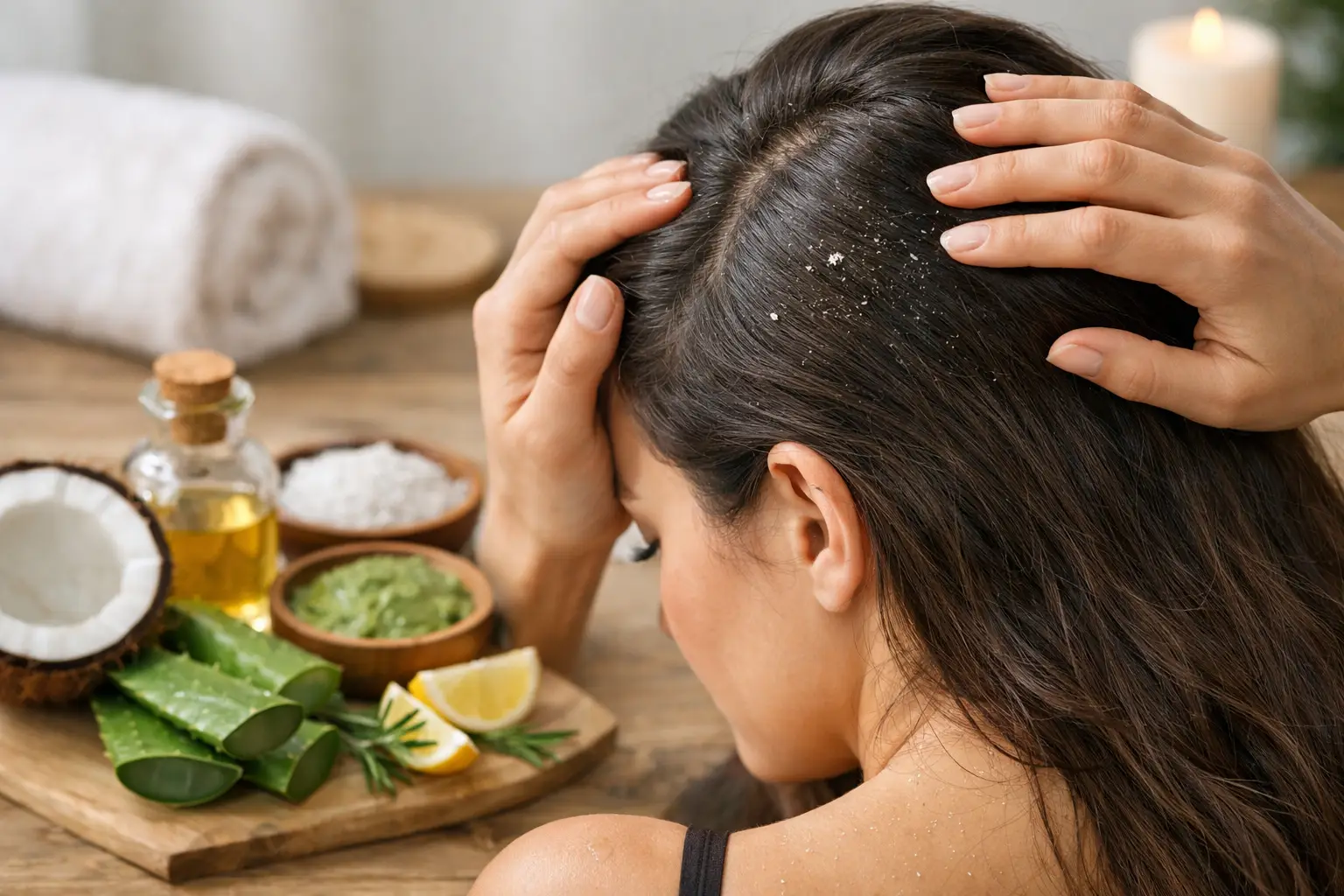
Flakes on a dark shirt usually show up before you notice what your scalp has been trying to tell you. If you are searching for how to treat scalp dandruff naturally, the goal is not to scrub harder or pile on heavier products. It is to calm irritation, loosen buildup, restore moisture balance, and support a healthier scalp environment over time.
Dandruff is common, but it is not all the same. For some people, it comes from a dry scalp that feels tight and itchy. For others, it is linked to excess oil, product buildup, or sensitivity to a yeast that naturally lives on the skin. That is why natural care works best when it is gentle, consistent, and matched to what your scalp actually needs.
What causes dandruff in the first place?
A flaky scalp can have more than one trigger. Dry air, harsh shampoos, heavy styling products, infrequent washing, stress, and skin conditions can all play a part. Sometimes the scalp is simply dehydrated. Other times it is producing too much oil, which mixes with dead skin and creates visible flakes.
This distinction matters. A dry scalp often responds well to hydration and less aggressive cleansing. Oily dandruff may need more regular washing and ingredients that help keep the scalp clear without stripping it. If your flakes are thick, yellowish, very inflamed, or spread beyond the scalp, a natural routine may still help with comfort, but it may not be enough on its own.
How to treat scalp dandruff naturally without making it worse
The most effective natural approach is usually simple. Cleanse the scalp regularly, avoid harsh formulas, use botanical ingredients that comfort irritation, and keep residue from building up. The mistake many people make is swinging between extremes – washing too aggressively when flakes appear, then applying heavy oils that sit on the scalp and trap more buildup.
Natural dandruff care should feel balanced. You want enough cleansing to remove dead skin, sweat, and excess oil, but enough nourishment to help the scalp barrier stay calm.
Start with a gentle cleansing routine
A healthy scalp begins with regular washing using a shampoo that supports hydration while clearing buildup. If your scalp is flaky and itchy, harsh detergents can make the cycle worse by drying the skin and increasing irritation. A gentler herbal shampoo can help cleanse without leaving the scalp stripped and uncomfortable.
How often you wash depends on your scalp type. If you are oily or sweat often, every two to three days may be better than stretching washes too long. If your scalp is dry, washing less often may help, but not so infrequently that flakes and product residue collect. The right schedule is the one that leaves your scalp feeling clean, not squeaky, and calm for most of the week.
Use oils carefully, not heavily
Natural oils can be useful, but they are not a cure-all. A small amount of lightweight botanical oil can help soften dry flakes, reduce tightness, and support moisture retention. Herbal oils are often chosen for their soothing properties and for the way they complement scalp massage, which can improve comfort and help loosen dry buildup before washing.
The trade-off is that too much oil can overwhelm an already oily scalp. If your dandruff tends to be greasy, thick, or sticky, applying heavy oil overnight may make things worse. In that case, use only a small amount as a short pre-wash treatment and cleanse thoroughly afterward.
Soothe the scalp, do not scratch it
An itchy scalp can tempt you to scratch throughout the day, but repeated scratching creates more irritation and can damage the skin barrier. A calmer approach is better. Massage the scalp gently with your fingertips, not your nails, during washing. This helps lift flakes and stimulate the scalp without causing additional stress.
If itching is persistent, look at your entire routine. Fragranced styling products, dry shampoos, edge controls, pomades, and even beard products that transfer to the hairline can all contribute to sensitivity.
Natural ingredients that can help
When people ask how to treat scalp dandruff naturally, they are usually looking for ingredients that feel safe, plant-based, and effective. The best options are not necessarily the most dramatic. They are the ones that support a healthier scalp with regular use.
Tea tree oil is one of the most discussed natural ingredients for dandruff because it can help reduce the scalp conditions that contribute to flakes. It should always be properly diluted, since concentrated essential oils can irritate sensitive skin.
Aloe vera is valued for its soothing and hydrating feel. It can be especially helpful when dandruff is paired with dryness or irritation. Neem, rosemary, and other herbal ingredients are also common in scalp care because they support a cleaner, more balanced scalp environment.
Carrier oils such as jojoba or grapeseed oil are often a better choice than very heavy oils for scalp use. They tend to feel lighter and are less likely to leave the scalp coated when used in moderation.
Habits that support a flake-free scalp
Your scalp routine matters, but so do your everyday habits. Product buildup is one of the most overlooked causes of recurring dandruff. If you regularly use gels, creams, sprays, or thick oils, make sure they are not collecting at the roots and sitting there for days.
Water temperature also makes a difference. Very hot water can dry and irritate the scalp, especially if you already deal with sensitivity. Lukewarm water is usually the better choice for both cleansing and comfort.
Stress can also show up on the scalp. It does not directly create dandruff in every case, but it can worsen inflammation and make existing flaking more noticeable. Better sleep, hydration, and a steady routine often help more than people expect.
A simple weekly natural routine
A practical routine does not need to be complicated. On wash day, massage a small amount of herbal oil into dry areas of the scalp if needed and leave it on briefly before cleansing. Follow with a gentle shampoo that focuses on the scalp rather than just the hair strands. Rinse thoroughly so no residue is left behind.
On non-wash days, keep styling products light and avoid layering oil onto an unclean scalp. If your scalp feels dry, use a minimal amount of a scalp-friendly botanical treatment rather than coating the whole area. Consistency matters more than intensity.
For people who want a more targeted natural option, a focused scalp treatment can be helpful because it combines soothing and clarifying ingredients in a more balanced way than using kitchen remedies. This is often where an herbal anti-dandruff and scalp treatment fits well into a routine, especially when flakes are persistent but the scalp still needs nourishment.
When natural care may not be enough
There is a point where flakes are no longer just cosmetic. If your scalp is very red, painful, cracking, or shedding large patches, it may be something more than standard dandruff. Psoriasis, eczema, seborrheic dermatitis, and fungal issues can look similar at first.
If you have tried a steady natural routine for several weeks with no improvement, or your symptoms are getting worse, it is worth getting professional guidance. Natural care can still support comfort, but the root issue may need a more specific treatment plan.
How to choose products that support natural dandruff care
Look for products that match the condition of your scalp, not just the promise on the label. A good formula should cleanse effectively, support hydration, and avoid leaving behind a heavy coating. Herbal ingredients are valuable when they are part of a balanced formula designed for scalp comfort and visible results.
It also helps to be realistic. Natural care usually improves dandruff through steady support, not overnight correction. That can feel slower, but it is often gentler and more sustainable for people who want a healthier long-term routine.
If your scalp is dry, prioritize moisture and barrier support. If it is oily, focus on regular cleansing and lighter treatments. If it is sensitive, choose simpler routines with fewer irritating extras. The best natural routine is the one you can follow consistently and that leaves your scalp feeling clearer, calmer, and more comfortable week after week.
A healthier scalp rarely comes from doing more. It usually comes from doing the right things with care – cleansing gently, nourishing wisely, and giving your scalp the steady support it needs to recover.
Leave a Reply