Dry roots, an itchy scalp, and hair that feels brittle by midweek usually point to the same issue – your routine is missing steady nourishment. Natural hair care home remedies can help, especially when your hair and scalp are reacting to harsh cleansers, overstyling, weather changes, or product buildup. The key is choosing simple remedies that support hydration, scalp comfort, and stronger-looking hair without creating new irritation.
Home care works best when you treat it as support, not as a miracle fix. A kitchen remedy may soften hair, ease dryness, or calm flaking, but results depend on your scalp condition, hair texture, and how often you use heat, chemical treatments, or tight styles. A good remedy should leave your hair feeling better, not overloaded, greasy, or harder to manage.
Why natural hair care home remedies work for some concerns
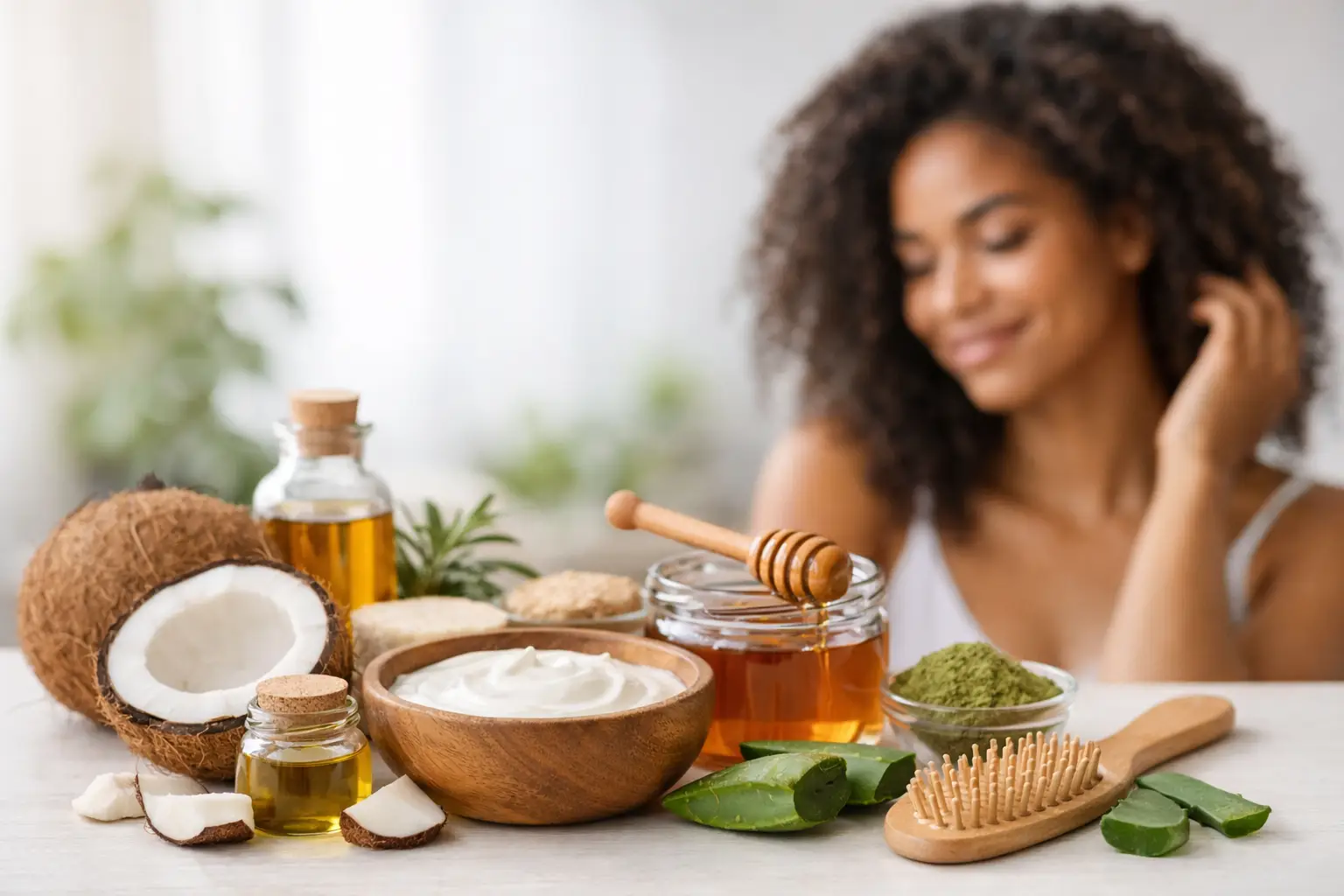
Hair health usually starts at the scalp. When the scalp is dry, inflamed, or coated with residue, hair can begin to look dull and feel weaker than it should. Natural ingredients such as aloe vera, coconut oil, olive oil, honey, and diluted apple cider vinegar are often used because they help restore moisture balance, soften buildup, and improve overall comfort.
That said, natural does not automatically mean gentle for everyone. Essential oils can be too strong if not diluted well. Acidic rinses can be helpful in small amounts but irritating if overused. Oils can be deeply nourishing for coarse or dry hair, yet too heavy for fine hair or oily scalps. The best approach is measured, consistent care.
The best home remedies for dry hair and scalp stress
If your main issue is dryness, start with moisture before anything else. One of the most reliable remedies is a warm oil treatment using coconut oil or olive oil. Apply a small amount to dry hair, concentrating on the mid-lengths and ends, then lightly massage any leftover product onto the scalp if your scalp is dry rather than oily. Let it sit for 20 to 30 minutes before washing with a gentle shampoo.
This type of treatment can reduce roughness and make hair feel more flexible. It is especially useful for hair that has been exposed to sun, frequent washing, or heated tools. If your hair gets weighed down easily, use less oil and keep it off the roots.
Aloe vera is another strong option when the scalp feels tight, itchy, or overheated. Pure aloe gel can be applied directly to the scalp for 10 to 15 minutes before rinsing. Many people like it because it feels light, soothing, and less messy than heavier oils. For some, it helps calm visible dryness without leaving residue behind.
Honey also deserves attention, especially for hair that feels dry but lacks shine. Mixed into a simple mask with plain yogurt or aloe vera, honey can help draw in moisture and soften the hair surface. The texture matters here. Use a small amount and rinse thoroughly, because too much can make the hair feel sticky instead of nourished.
Natural hair care home remedies for dandruff and itching
Not every flaky scalp is true dandruff. Sometimes the issue is simple dryness, while other times it is oil imbalance, irritation, or scalp buildup. That distinction matters because the wrong remedy can make symptoms worse.
For mild flaking with oiliness or residue, a diluted apple cider vinegar rinse may help refresh the scalp. Mix a small amount with water, apply after shampooing, let it sit briefly, then rinse well. This can help cut through buildup and leave the scalp feeling cleaner. It should not sting. If it does, dilute it more or stop using it.
Tea tree oil is often mentioned for dandruff, but it needs caution. It should never be applied directly to the scalp without a carrier oil or a properly formulated hair product. A few diluted drops blended into a carrier oil may help some people with itchiness, but sensitive skin can react quickly. Patch testing is worth the extra step.
If dandruff is persistent, thick, or accompanied by redness, home remedies may not be enough. That is usually the point where a dedicated scalp treatment or professional evaluation makes more sense than repeating DIY experiments.
Strength-focused remedies for weak or rough hair
Hair that breaks easily often needs both moisture and less friction. One helpful remedy is an egg and olive oil mask, used occasionally on strands rather than the scalp. Egg can temporarily improve the feel of damaged hair, while olive oil adds softness and slip. For best results, rinse with cool or lukewarm water so the mixture does not set into the hair.
Another gentle option is mashed avocado mixed with a little coconut oil or honey. This kind of mask works well for thick, textured, or curly hair that loses moisture quickly. It can leave the hair feeling smoother and more manageable after one use, although it is not a repair treatment in the medical sense. It improves condition and appearance, which is still valuable.
Rice water is another remedy people often try for hair strength. Some find that it makes hair feel stronger and look shinier, while others experience stiffness if they use it too often. That is the trade-off. If you try rice water, use it occasionally and pay attention to how your hair responds.
When beard care needs the same natural approach
The skin under a beard can develop many of the same issues as the scalp – dryness, itching, flaking, and rough texture. In that sense, beard care is not separate from hair care. It is simply a smaller area with the same need for hydration, comfort, and clean ingredients.
A light botanical oil can help soften beard hair and reduce that dry, irritated feeling underneath. The goal is not to drench the beard but to restore balance. When beard hair feels coarse, the skin often feels neglected too. Ingredient-conscious grooming works best when it supports both.
That is one reason brands like Mimea Herb focus on herbal care that feels restorative but still performs. People want natural ingredients, but they also want visible comfort and a routine they can trust.
How to use home remedies without damaging your routine
The most common mistake with DIY care is overdoing it. More oil, more masks, and more rinses do not always mean better results. Hair responds better to consistency than intensity.
Start with one remedy that matches your main concern. If you have dry ends, use a weekly oil treatment. If your scalp feels irritated, try aloe vera first. If buildup is the problem, use a diluted rinse sparingly. Give each remedy time to show you whether it actually helps.
It also helps to keep your base routine simple. Use a gentle cleanser, avoid very hot water, and limit heavy styling products if your scalp is already struggling. Home remedies tend to work better when they are supporting a balanced routine instead of compensating for a harsh one.
Patch testing matters more than many people realize. Natural ingredients can still trigger irritation, especially on compromised or flaky skin. Test on a small area before applying anything widely, particularly with essential oils, vinegar, or new plant ingredients.
What home remedies can and cannot do
Natural care can improve softness, reduce dryness, calm mild irritation, and help hair look healthier over time. It can support a healthier scalp environment, which matters for overall growth and comfort. What it usually cannot do is reverse severe hair loss, cure chronic scalp disorders, or fully repair heavily damaged hair.
That does not make home remedies less useful. It simply sets the right expectation. The most effective natural care is practical, not dramatic. You are building better conditions for healthier-looking hair, not forcing overnight transformation.
If your scalp is consistently inflamed, your shedding has changed suddenly, or your beard area is breaking out or burning after products, that is a signal to stop experimenting and choose a more targeted solution.
A good hair routine should leave you feeling more comfortable and more confident, not confused by ten different treatments on your bathroom shelf. Start with what your hair is asking for most – moisture, scalp relief, or strength – and keep your remedies simple enough to repeat. That is usually where natural care delivers its best results.
Leave a Reply