A tight, itchy scalp can change the way your whole day feels. If you are searching for a scalp treatment for dryness and itching, the real goal is not to simply cover the discomfort. It is to restore balance, relieve irritation, and support a healthier scalp environment that stays comfortable over time.
Dryness and itching are often treated like minor grooming issues, but they usually signal that the scalp barrier needs better care. When that barrier is compromised, moisture escapes more easily, irritation becomes more noticeable, and flaking can follow. The right treatment should do more than make your scalp feel better for an hour. It should help nourish the skin, reduce stress on the scalp, and support healthier hair from the root.
What causes scalp dryness and itching?
A dry, itchy scalp can come from several different sources, and the cause matters because the best treatment depends on what is triggering the problem. Sometimes the issue is simple moisture loss. Cold weather, indoor heating, over-washing, or harsh shampoos can strip away the scalp’s natural oils and leave the skin feeling tight and irritated.
In other cases, buildup plays a role. Styling products, sweat, excess oil, and infrequent cleansing can collect on the scalp and disrupt its balance. That buildup can lead to itching even when the scalp is not truly dry. Some people also confuse dandruff with dryness. They can look similar at first, but dandruff is often linked to excess oil, yeast imbalance, or inflammation rather than a lack of moisture alone.
Sensitivity is another common factor. Fragrance-heavy products, strong detergents, alcohol-based formulas, and aggressive exfoliation can all leave the scalp reactive. If itching starts soon after using a new product, irritation may be the issue rather than simple dryness.
What a good scalp treatment for dryness and itching should do
An effective scalp treatment for dryness and itching should calm irritation while helping the scalp hold onto moisture. That usually means choosing formulas that nourish rather than strip. Herbal oils, plant-based extracts, and gentle cleansing agents can be especially helpful when the scalp needs comfort and support.
Look for treatments that address three things at once: hydration, soothing relief, and scalp cleanliness. Hydration matters because a dry scalp needs moisture support. Soothing relief matters because constant scratching can worsen irritation. Cleanliness matters because trapped oil, flakes, and product residue can keep the cycle going.
This is where ingredient quality makes a difference. A treatment can claim to target itching, but if it relies on overly harsh actives or drying surfactants, the relief may be short-lived. A more balanced approach supports the scalp without creating a new problem.
Why natural ingredients often work well
For many people, botanical care is a practical choice, not just a lifestyle preference. Natural oils and herbal ingredients are often well suited for scalp discomfort because they help replenish moisture and soften dry areas while offering a gentler experience.
Tea tree, peppermint, aloe, rosemary, neem, and nourishing carrier oils are often used in scalp-focused formulas for a reason. Some help refresh and clarify, while others soften, calm, and support the skin barrier. The benefit is not that every natural ingredient works for every scalp. It is that well-chosen botanicals can deliver targeted support without relying on a harsh approach.
That said, natural does not automatically mean better for everyone. Essential oils can still be too strong in high concentrations, and some herbal ingredients may not suit very sensitive skin. A thoughtful formula matters more than a trendy ingredient list.
How to choose the right routine
The best routine depends on whether your scalp is dry, flaky, sensitive, or dealing with a mix of issues. If dryness is the main problem, start with a gentle shampoo that cleans without stripping. Washing too often can make irritation worse, but washing too little can let buildup linger. Most people do well with a balanced schedule based on their scalp type, activity level, and product use.
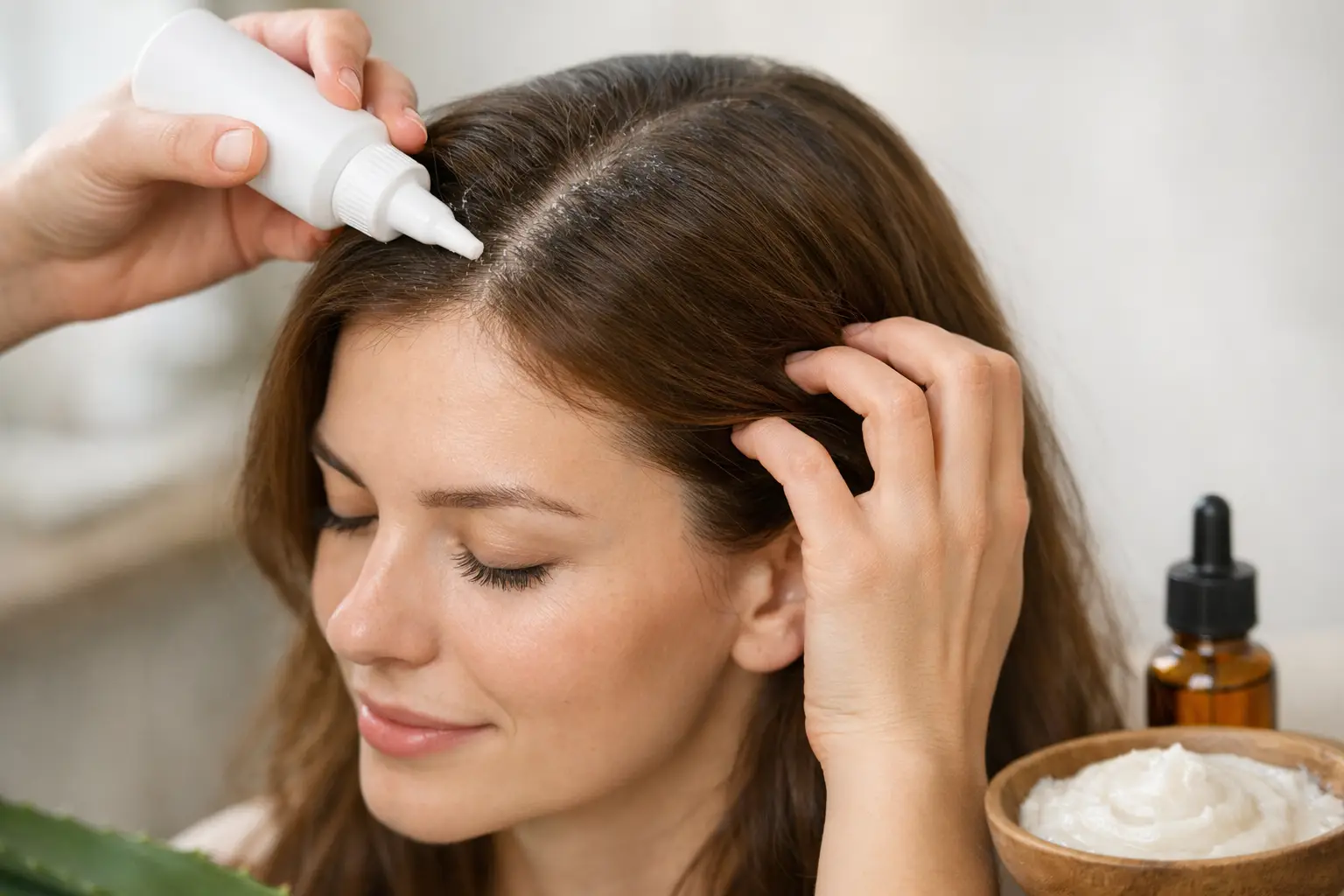
After cleansing, a targeted scalp treatment can help restore comfort. Oils and treatment serums are often useful when applied directly to the scalp in small amounts, especially in dry areas. If the formula is lightweight, it can support hydration without leaving the scalp heavy. If it is richer, it may be better as a pre-wash treatment rather than a daily leave-on.
If your scalp also flakes, choose products that can address both comfort and cleanliness. A hydrating anti-dandruff treatment can be especially useful when itching and visible flakes appear together. The right product should reduce irritation while helping clear the scalp surface.
Signs your current products may be making it worse
Sometimes the scalp is not the main problem. The routine is. If your shampoo leaves your scalp feeling squeaky, tight, or itchy right after washing, it may be too harsh. If you rely on heavy styling products and notice more itching between washes, buildup may be contributing to the discomfort.
Hot water can also worsen dryness. It feels soothing in the moment, but it can strip natural oils and increase irritation. Scratching with fingernails, using rough brushes, or applying multiple strong treatments at once can inflame the scalp further.
Even good products can cause problems when they are overused. Clarifying too often, layering too many oils, or switching products constantly can make it harder to understand what your scalp actually needs.
A simple approach that supports lasting comfort
When the scalp is irritated, simple usually works better than complicated. Start by removing the likely stressors. Use a mild cleanser, avoid very hot water, and reduce products that contain harsh alcohols or overly strong fragrance. Then add one consistent treatment designed to nourish and calm the scalp.
Massage can help, but it should be gentle. A light fingertip massage improves product distribution and can encourage circulation without aggravating the skin. Consistency matters more than intensity. Relief often builds over days and weeks as the scalp barrier becomes more supported.
Hydration also matters beyond hair care. Dry indoor air, dehydration, and overall skin sensitivity can affect the scalp too. A healthy scalp routine works best when it is part of a broader pattern of care rather than a quick fix.
When flakes and itching point to something more
Not every itchy scalp is simply dry. If you have persistent redness, thick scaling, sore patches, or itching that does not improve with gentle care, the issue may go beyond standard dryness. Conditions like seborrheic dermatitis, eczema, psoriasis, or allergic reactions can all affect the scalp and may need a more specific approach.
That does not mean natural scalp care has no place. It often still helps support comfort and reduce unnecessary irritation. But when symptoms are ongoing or severe, it is wise to get clarity on the cause so you can choose the right treatment.
Building a healthier scalp over time
A comfortable scalp tends to come from steady care, not constant correction. The goal is to create an environment where the skin is clean, nourished, and less reactive. That is why ingredient-conscious routines often outperform aggressive ones. They support the scalp instead of forcing it into balance.
For people who want plant-based care with practical results, this is where a well-made herbal treatment can stand out. A formula that combines hydration, scalp comfort, and cleansing support can fit naturally into a routine focused on healthier hair and more confident grooming. Mimea Herb Hair Care Solutions reflects this kind of approach by centering nourishment, scalp relief, and ingredient integrity in everyday care.
If your scalp has been asking for attention through dryness, itching, or flakes, listen early. Gentle, effective treatment now can help prevent a longer cycle of irritation later, and that shift often starts with choosing care that truly supports the scalp instead of working against it.
Leave a Reply