
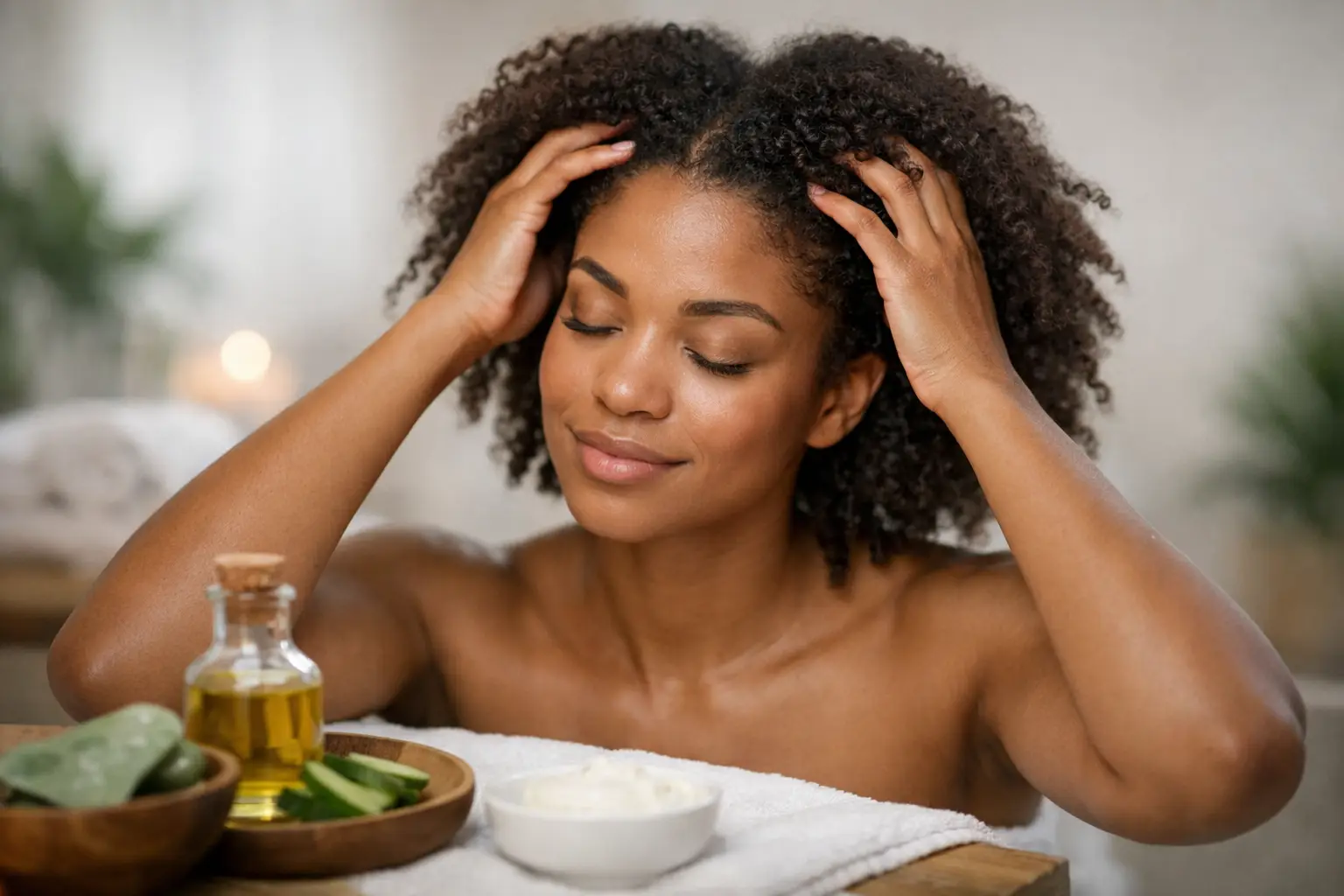
That tight, itchy feeling on your scalp usually shows up at the worst time – after a wash, during dry weather, or right when flakes start becoming noticeable on dark clothing. If you are trying to figure out how to calm an irritated scalp, the goal is not to cover the discomfort. It is to reduce the triggers, restore moisture balance, and support a healthier scalp environment over time.
An irritated scalp can come from several causes, and they do not all respond to the same approach. Dryness, product buildup, dandruff, harsh cleansers, over-washing, sweat, seasonal weather changes, and sensitivity to fragrance or ingredients can all play a role. That is why a calmer scalp usually starts with a simpler routine, gentler formulas, and more attention to what your skin is reacting to.
How to calm an irritated scalp starts with the cause
Scalp discomfort is easy to misread. Itching does not always mean dandruff, and flakes do not always mean your scalp is dry. In some cases, the scalp is actually producing too much oil while still feeling inflamed. In others, the skin barrier is dry, stressed, and more reactive than usual.
If your scalp feels tight and flaky right after washing, harsh shampoo or hot water may be part of the problem. If the itch is paired with visible buildup or oily flakes, you may be dealing with dandruff or excess oil mixed with dead skin. If your scalp becomes irritated after using a new styling product, beard oil near the hairline, or heavily fragranced treatment, ingredient sensitivity may be the real issue.
The more accurately you identify the pattern, the easier it is to choose care that helps instead of adding more stress.
Start by removing the obvious irritants
When the scalp is already uncomfortable, this is not the time for a complicated routine. A crowded shelf can quickly become part of the problem. Pull back on anything strongly fragranced, alcohol-heavy, or overly stripping. That includes aggressive shampoos, harsh exfoliating scrubs, and styling products that sit on the scalp for long hours.
Heat can also make irritation worse. Very hot showers may feel soothing for a moment, but they can dry out the scalp and weaken its natural moisture barrier. Lukewarm water is usually the better choice when your skin feels reactive.
Even washing technique matters. Scratching with your nails, scrubbing too hard, or piling on too much product can leave the scalp more inflamed than clean. Use the pads of your fingers, work gently, and rinse thoroughly.
Wash often enough, but not too often
There is no one wash schedule that works for everyone. If your scalp is oily or flaky, waiting too long between washes can allow sweat, oil, and buildup to sit on the skin and increase discomfort. If your scalp is dry and easily irritated, washing too frequently can strip away the moisture it needs.
For many people, the sweet spot is a gentle cleansing schedule that keeps the scalp fresh without leaving it dry and tight. That may mean every few days for one person and more often for someone who exercises heavily or deals with visible dandruff. The right rhythm is the one that leaves your scalp balanced, not squeaky clean and stressed.
Choose formulas that support scalp comfort
The ingredients in your routine matter because scalp relief is not just about cleansing. It is about hydration, nourishment, and reducing the conditions that lead to itching and flaking.
Look for shampoos and scalp treatments that are designed to cleanse without over-drying. Botanical oils and herbal ingredients can be especially helpful when they are used in balanced formulas that support comfort rather than simply coating the hair. A well-made scalp treatment can help soften flakes, ease dryness, and leave the skin feeling more settled.
If dandruff is part of the issue, targeted anti-dandruff care may be necessary. If your irritation leans more toward dryness and sensitivity, a nourishing herbal approach may be more useful than harsh correction. This is where ingredient-conscious care becomes practical. You want products that do something visible while still respecting the scalp barrier.
For people who prefer natural grooming solutions, this is often the difference between temporary relief and a routine they can stay consistent with.
Hydration is often the missing piece
A scalp can be oily and dehydrated at the same time. That sounds contradictory, but it is common. When the scalp barrier is off balance, skin can feel itchy, irritated, and flaky even if some oil is present.
Hydration helps calm that cycle. That does not always mean applying heavy oils directly to the scalp in large amounts. In some cases, too much oil can trap buildup or make flaking worse, especially if dandruff is already present. The better approach is usually a combination of gentle cleansing and lightweight nourishment that helps the scalp hold onto moisture.
This is where botanical scalp care can make sense. Herbal and oil-based support, when used thoughtfully, can help reduce dryness without overwhelming the skin. Mimea Herb’s approach is built around that balance – hydration, nourishment, and scalp comfort with ingredient-conscious care that supports healthier growth over time.
Be careful with heavy DIY treatments
Natural care can be effective, but not every home remedy is a good fit for irritated skin. Thick oil masks, strong essential oils, lemon juice, apple cider vinegar used too often, or abrasive salt scrubs can backfire on a sensitive scalp.
A good rule is simple: if it stings, burns, or leaves your scalp feeling hotter and tighter, it is not helping. Gentle, consistent care usually works better than intense treatment.
Buildup can feel like dryness
One reason scalp irritation lingers is that buildup often gets mistaken for lack of moisture. Dry shampoo, pomades, gels, edge products, sweat, and even residue from conditioner can collect on the scalp and create itch, dullness, and flakes.
If that sounds familiar, the answer is not necessarily a stronger shampoo every day. It is using a cleansing product that removes residue effectively without stripping the skin. Sometimes one reset wash followed by a simpler product routine is enough to make the scalp feel noticeably calmer.
Pay attention to where your irritation shows up. If it is strongest around the crown, hairline, or areas where products are applied most heavily, buildup may be contributing more than you think.
Everyday habits that help calm the scalp
Scalp care is not only about what you wash with. Small habits can either support recovery or keep irritation going. Tight hats, infrequent washing after sweating, rough towel drying, and constant touching or scratching can all keep the scalp inflamed.
Pillowcases, combs, brushes, and headwear should also stay clean. If you are treating dandruff or scalp irritation but putting residue and oil right back onto the skin, progress tends to be slower.
Stress can be a factor too. It does not cause every scalp problem, but it can make itching and inflammation feel more intense. If your scalp seems to flare during high-stress periods, that pattern is worth noticing.
When an irritated scalp needs more than home care
Sometimes the best answer to how to calm an irritated scalp is to stop experimenting and get a professional opinion. If you have persistent redness, painful patches, thick scaling, sores, hair shedding that feels sudden, or a scalp that stays inflamed despite changing your routine, it may be more than simple dryness or product sensitivity.
Conditions like seborrheic dermatitis, psoriasis, eczema, or fungal issues can look similar at first. They often need more specific treatment. There is no benefit in pushing through discomfort when the scalp is clearly asking for a different level of care.
A calmer scalp usually comes from consistency
Quick fixes are appealing, especially when the itching is distracting, but scalp comfort is usually built through steady habits. Gentle cleansing, fewer irritants, balanced hydration, and targeted treatment when needed tend to do more than chasing strong products that promise overnight results.
If your routine leaves your scalp feeling clean, comfortable, and less reactive week after week, you are on the right track. A healthy scalp does not need to feel tight to be clean, and it does not need harsh treatment to stay balanced. Give it care that is restorative, practical, and easy to maintain – because comfort is often the first sign that healthier hair can follow.
Leave a Reply