A beard usually tells you what it needs before it starts looking rough. It gets tight after washing, itchy by midday, or wiry at the ends no matter how often you brush it. When that happens, choosing the best oils for beard hydration is less about shine and more about restoring comfort, softness, and healthy beard texture.
Hydration matters because facial hair does not hold moisture as easily as many people expect. The beard sits over delicate skin, and when that skin becomes dry, the hair often follows. A good beard oil helps reduce moisture loss, soften coarse strands, and make daily grooming easier without leaving the beard greasy or heavy.
What makes an oil good for beard hydration?
Not every oil hydrates in the same way. Some oils are better at sealing in moisture, while others are especially useful for softening brittle hair or calming dry, uncomfortable skin underneath the beard. The best results usually come from oils that do both reasonably well.
A well-chosen beard oil should absorb comfortably, support the skin barrier, and improve beard feel over time. Lightweight oils are often better for shorter beards or oil-prone skin. Richer oils can be useful for thicker, drier beards that need more lasting softness. There is no single perfect oil for everyone, which is why ingredient choice matters.
7 best oils for beard hydration
Jojoba oil
Jojoba oil is often one of the best starting points for beard care because it is lightweight, balanced, and easy for most skin types to tolerate. It closely resembles the skin’s natural sebum, so it tends to absorb well without creating a greasy finish.
For beard hydration, jojoba helps condition both the hair and the skin underneath. It is especially useful if your beard feels dry but your skin is sensitive or prone to buildup. If you want an everyday oil that keeps the beard soft without weighing it down, jojoba is a dependable choice.
Argan oil
Argan oil is known for bringing softness and smoothness to dry, coarse hair. In a beard formula, it helps reduce rough texture and adds a healthier appearance without making the beard feel coated.
This oil works well for medium to thick beards that feel stiff or look dull. It also has a refined finish, which makes it a good option for men who want hydration with a clean, polished feel. If your beard is hard to tame after washing, argan oil can make it noticeably more manageable.
Sweet almond oil
Sweet almond oil is a nourishing option for beards that need extra softness. It has a slightly richer feel than jojoba, but it still spreads easily and leaves the beard more flexible and touchable.
It is often a good fit for dry skin under the beard, especially when flaking and mild irritation are part of the problem. The trade-off is that it may feel a little heavier on very fine facial hair. For fuller beards or colder weather routines, that added richness can be a benefit.
Coconut oil
Coconut oil can be very effective for reducing dryness, but it depends on how it is used. It is heavier than many other oils, and for some people it sits on the beard rather than absorbing quickly. That can be helpful for very dry, thick beards, but less ideal for oily or acne-prone skin.
When it works well, coconut oil helps improve softness and reduces the brittle feel that comes with dehydration. It is often best in smaller amounts or blended with lighter oils so the beard gets nourishment without feeling overly slick.
Avocado oil
Avocado oil is a richer botanical oil that supports deeper nourishment for stressed, thirsty beards. If your facial hair feels coarse from frequent washing, sun exposure, or a dry climate, avocado oil can help restore a more flexible texture.
Because it is heavier, it tends to suit medium to long beards better than very short stubble. It also pairs well with lighter oils in blended formulas. Used thoughtfully, it can bring real relief to beards that feel rough even after regular grooming.
Grapeseed oil
Grapeseed oil is a lighter option for men who want hydration without excess shine. It absorbs quickly, feels clean on the skin, and helps soften beard hair while keeping the overall finish breathable.
This oil is often overlooked, but it can be a strong choice for warmer climates, shorter beards, or anyone who dislikes heavy grooming products. It may not provide the same lasting richness as avocado or sweet almond oil, but it offers balanced daily support.
Castor oil
Castor oil is thick, dense, and more sealing than truly lightweight hydrating oils. It is often included in beard blends because it gives the beard a fuller, conditioned feel and helps reduce dryness at the surface.
On its own, castor oil can feel too heavy for many people. In moderation, though, it can support hydration by helping hold moisture in the beard. It is usually most useful in small amounts blended with jojoba, argan, or grapeseed oil for a better texture.
How to choose the best oils for beard hydration for your beard type
If your beard is short and your skin gets oily easily, lighter oils like jojoba or grapeseed usually make more sense. They hydrate without creating much residue, and they are less likely to leave the beard looking overly glossy.
If your beard is thick, coarse, or naturally dry, richer oils like argan, sweet almond, or avocado may give better results. These oils help soften texture and support longer-lasting comfort. Very dry beards often benefit most from blends rather than a single oil, since a blend can balance absorption with staying power.
Sensitive skin changes the equation a bit. In that case, simple formulas with fewer ingredients are often the safest choice. Fragrance-heavy products may smell good, but they can sometimes add irritation when the skin under the beard is already dry or reactive.
Hydration is not just about the oil
A beard oil can do a lot, but it cannot fully correct a routine that strips moisture every day. If you wash your beard with a harsh cleanser, use very hot water, or skip care after showering, even a good oil will have limited results.
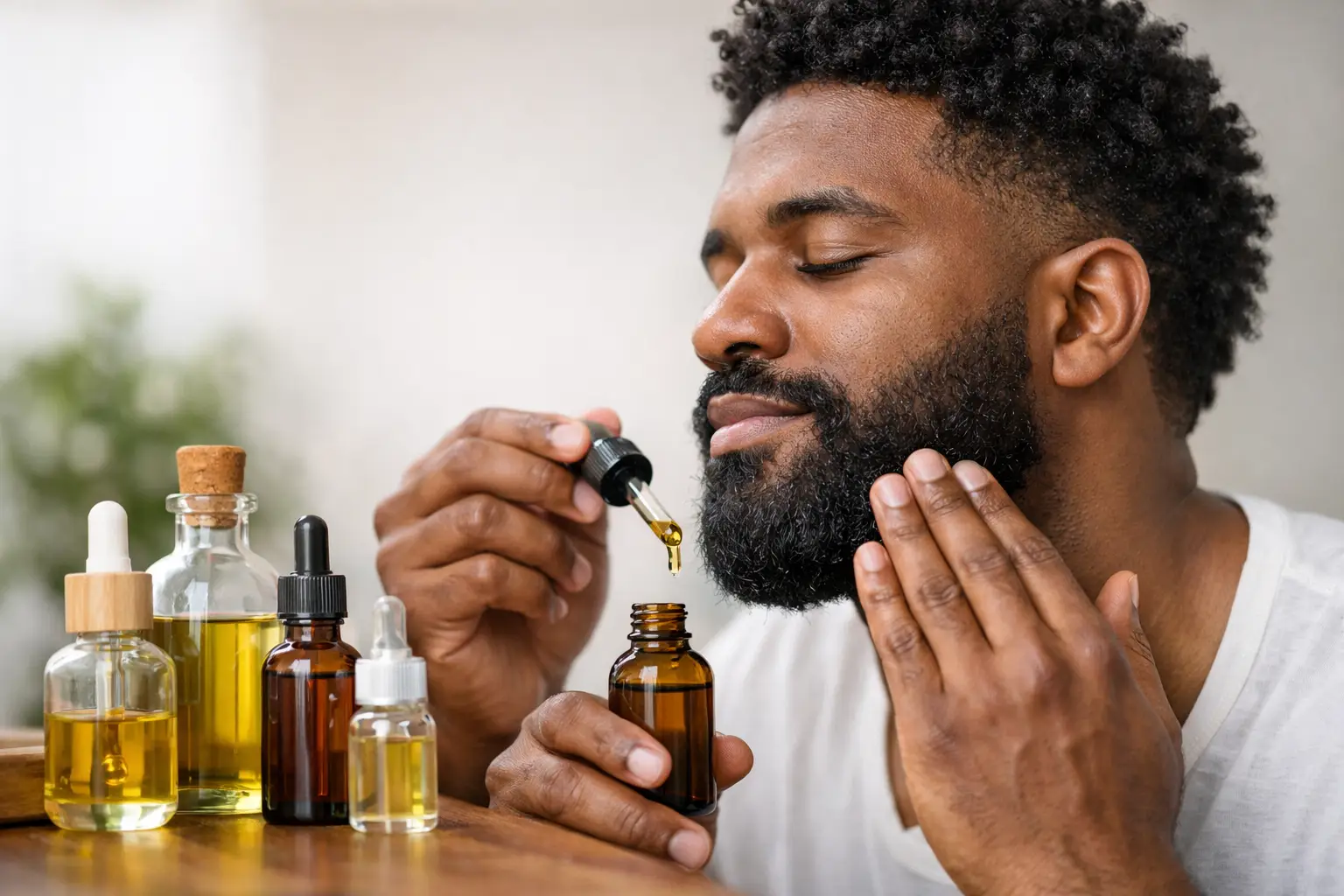
Hydration starts with gentle cleansing and consistent moisture support. Applying oil to a slightly damp beard often works better than applying it to completely dry hair, because the oil helps seal in that water. A few drops worked into the skin first and then through the beard usually gives better comfort than coating the outer hair alone.
This is also where ingredient-conscious beard care stands out. Formulas built around botanical oils and practical hydration benefits tend to support beard health more effectively than products that focus only on scent or surface shine.
Signs your beard oil is helping
The first sign is usually comfort. Your beard feels less itchy, the skin underneath feels calmer, and the tight, dry sensation fades. After that, texture improves. The beard becomes softer, easier to comb, and less prone to looking frizzy or stiff.
Healthy hydration does not mean the beard feels oily all day. A good product should leave the beard nourished, not overloaded. If your beard still feels dry an hour after application, you may need a richer oil or a better blend. If it feels greasy well into the day, the formula may be too heavy for your needs.
What to look for in a beard oil blend
A well-made beard oil often performs better than a single oil alone. Jojoba can provide balance, argan can improve softness, and castor or avocado can add staying power. That combination helps address both the beard hair and the skin underneath.
Look for formulas that clearly explain their ingredient purpose. If the product is centered on nourishment, hydration, and healthy beard maintenance, that is usually a better sign than packaging that focuses only on appearance. Brands like Mimea Herb reflect this more restorative approach, where botanical care is meant to solve real dryness and comfort issues, not just add a finishing touch.
The best beard oil routine is usually simple. Use a formula that fits your beard type, apply it consistently, and pay attention to how your skin responds. A beard that stays hydrated tends to look better, feel better, and become much easier to maintain over time.
If your beard has been feeling dry, stubborn, or uncomfortable, start with oils that support both softness and skin comfort. The right choice does not need to be complicated. It just needs to help your beard feel healthy enough to wear with confidence.
Leave a Reply