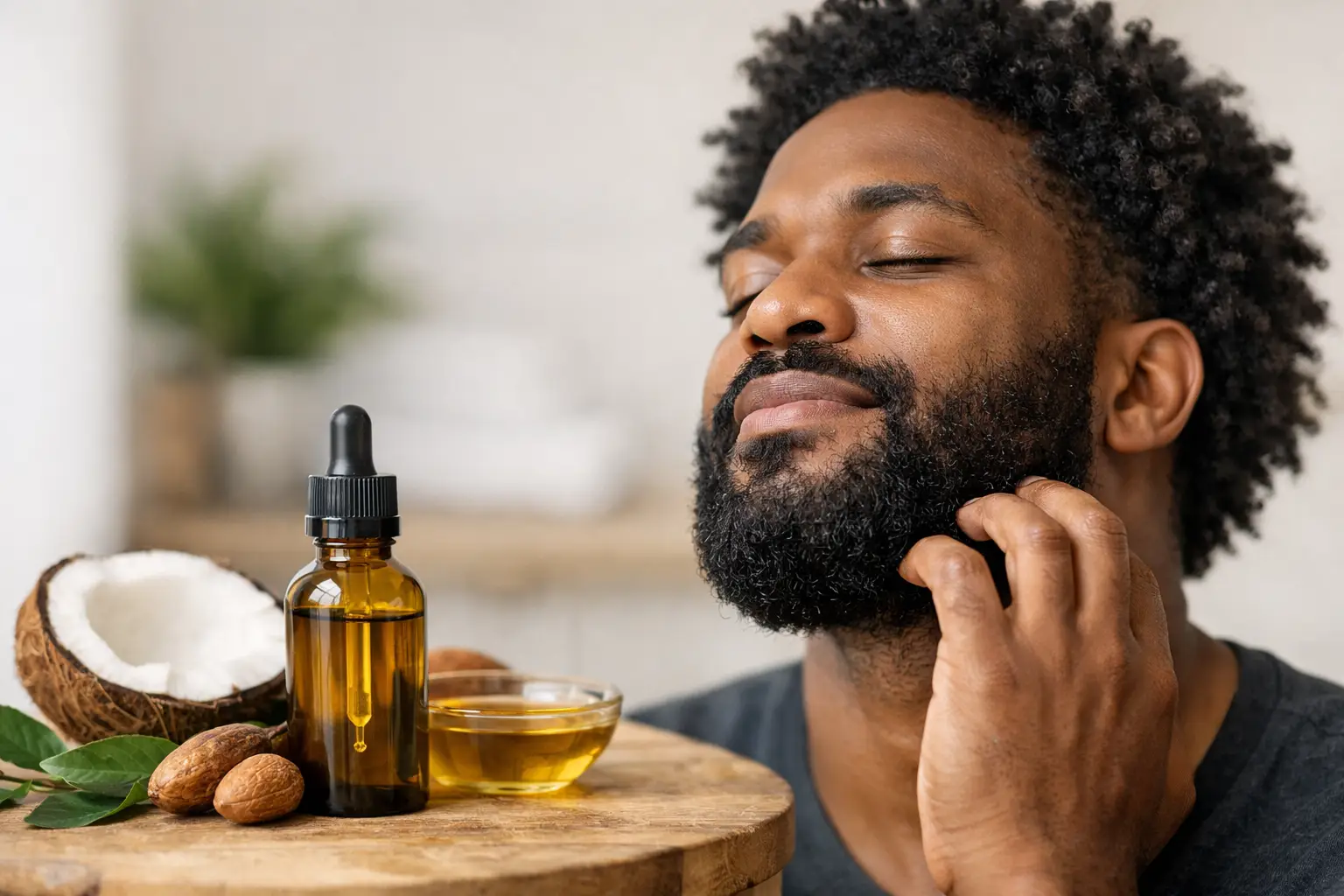
That persistent beard itch usually is not a beard problem alone – it is often a skin hydration problem hiding underneath facial hair. A natural beard oil for itchy beard concerns works best when it addresses both sides of the issue: the coarse hair above and the dry, irritated skin below. When the skin is nourished and the beard is softened, discomfort tends to ease, flakes become less noticeable, and daily grooming feels less like damage control.
Beard itch can show up at different stages. For some men, it starts during early growth when sharp new hairs rub against the skin. For others, it appears later when the beard gets thicker, trapping dryness, dead skin, and product buildup. Cold weather, overwashing, and harsh cleansers can make it worse. So can ignoring the beard entirely and hoping it will sort itself out on its own.
Why an itchy beard happens in the first place
Facial hair changes the skin environment. As the beard grows, natural skin oils do not always distribute evenly from root to tip. The result is familiar: rough texture, tight skin, light flaking, and an itch that seems to come back even after washing. In many cases, the beard hair itself is dry, but the deeper source is the skin barrier becoming depleted.
That matters because scratching does not solve dryness. It can increase irritation, create redness, and leave the skin more reactive than before. If your beard feels itchy after cleansing, during dry weather, or late in the day, your skin may be asking for moisture and protection rather than more washing.
There is also a simple texture issue. Coarse or curly beard hair can bend back toward the skin, creating friction. When hair is stiff and brittle, it is more likely to feel prickly. A well-formulated oil helps reduce that friction by conditioning the beard so it moves more comfortably against the skin.
What a natural beard oil for itchy beard should do
A good beard oil should do more than add shine. It should replenish moisture, improve softness, and support skin comfort without leaving the beard greasy or heavy. That balance is what makes an oil practical for daily use.
Natural oils are especially helpful because many plant-based ingredients are rich in fatty acids, antioxidants, and soothing compounds that support the skin barrier. When chosen well, they help lock in hydration while making the beard easier to manage. For men dealing with itch, that combination is more useful than surface-level styling alone.
The best formulas tend to absorb cleanly and leave the beard feeling conditioned rather than coated. If an oil sits on top of the hair and never really settles into the skin, relief may be short-lived. Comfort usually comes from consistent hydration, not just temporary slickness.
Ingredients that support beard comfort naturally
Not every natural oil performs the same way. Some are lighter and better for quick absorption, while others are richer and better for very dry skin. For an itchy beard, ingredient quality matters because the goal is to calm irritation while restoring softness.
Jojoba oil is often a strong choice because it closely resembles the skin’s natural sebum. That makes it useful for balancing dry areas without feeling overly thick. Argan oil is valued for its nourishing, smoothing feel and can help tame rough beard texture. Sweet almond oil is another helpful option for softening coarse hairs and supporting dry, sensitive skin.
Herbal and botanical additions can strengthen the formula when they are included for function, not marketing. Ingredients known for soothing and nourishment can help reduce the cycle of dryness and discomfort. That is where a plant-focused beard care approach stands out – it treats grooming as skin support, not just appearance.
At the same time, natural does not automatically mean ideal for everyone. Some essential oils can be irritating if they are too concentrated or if your skin is already reactive. If your beard area is prone to sensitivity, a simpler formula is often the better starting point.
How to use natural beard oil for itchy beard relief
Application matters almost as much as the formula itself. Beard oil works best when it is applied to a clean, slightly damp beard. That small amount of moisture helps the oil spread more evenly and seal hydration into the hair and skin.
Start with a few drops in your palms, rub your hands together, and work the oil through the beard from the skin outward. The skin under the beard deserves most of your attention because that is where itch begins. Use your fingertips to massage the oil in gently, then move through the length of the beard to soften the hair.
How much oil you need depends on beard length, density, and how dry your skin feels. A short beard may need only a few drops. A fuller beard may need more. Too little can leave dry patches untouched, while too much can feel greasy and collect dust or buildup through the day. The right amount should leave the beard softer and more settled, not shiny to the point of looking wet.
Consistency is what changes results. One application may bring short-term comfort, but regular use is what improves beard feel and skin condition over time. Most men do well with daily use, especially after washing or showering.
When beard oil helps most – and when it is not enough
Beard oil is highly effective for dryness, mild flaking, rough texture, and day-to-day itch caused by dehydration or friction. If your beard feels worse during winter, after hot showers, or after using strong soap, oil is likely addressing the right problem.
But there are limits. If you have intense redness, painful irritation, persistent rash-like symptoms, or heavy flaking that extends beyond the beard area, beard oil may not be the whole answer. In those cases, there could be a skin condition involved rather than simple dryness. It is better to recognize that early than keep switching products and hoping for a different result.
There is also a buildup issue to consider. If you apply oil over an unclean beard day after day without proper washing, trapped debris and dead skin can dull results. Relief usually comes from a balanced routine: gentle cleansing, proper hydration, and a nourishing oil used consistently.
Building a routine around natural beard oil for itchy beard care
A comfortable beard usually comes from a few habits working together. First, use a gentle cleanser instead of harsh soap. Strong cleansing can strip the skin and undo the benefits of your oil. Second, avoid very hot water, which can leave both hair and skin drier than before. Third, apply beard oil while the beard is still slightly damp so moisture stays in place longer.
Brushing or combing can help distribute oil, but it should be done gently. Aggressive grooming can irritate already dry skin. The goal is to guide the beard into place, not scrape the face underneath it.
If your beard tends to feel brittle, trimming damaged ends may also help. Split, wiry ends can make a beard feel rougher against the skin, even when the roots are hydrated. Better texture often comes from both nourishment and maintenance.
For men who want a plant-based approach with practical benefits, this is where an herbal beard oil can fit naturally into the routine. Mimea Herb approaches beard care with that balance in mind: hydration, nourishment, comfort, and healthy-looking growth supported by botanical ingredients that serve a purpose.
What to look for before you buy
Choose a beard oil that speaks clearly about what it is designed to do. If itch relief is your concern, look for formulas centered on hydration, skin comfort, and beard softness rather than fragrance alone. Ingredient lists should feel intentional, not crowded.
Texture matters too. A lightweight oil may be better for daily use and shorter beards, while a richer blend may suit thicker or drier growth. If you live in a dry climate or spend a lot of time in heated indoor air, a more nourishing formula may make a visible difference.
And be realistic about timing. Beard oil can improve comfort quickly, but stronger results usually show after several days of steady use. Softer texture, less scratching, and fewer flakes are the signs to watch for.
A beard should not feel like something you have to tolerate. When the skin underneath is cared for and the hair itself is properly nourished, the beard becomes easier to wear, easier to maintain, and much more comfortable from morning to night. The right natural oil does not just make your beard look better – it helps it feel like it belongs on your face.
Leave a Reply