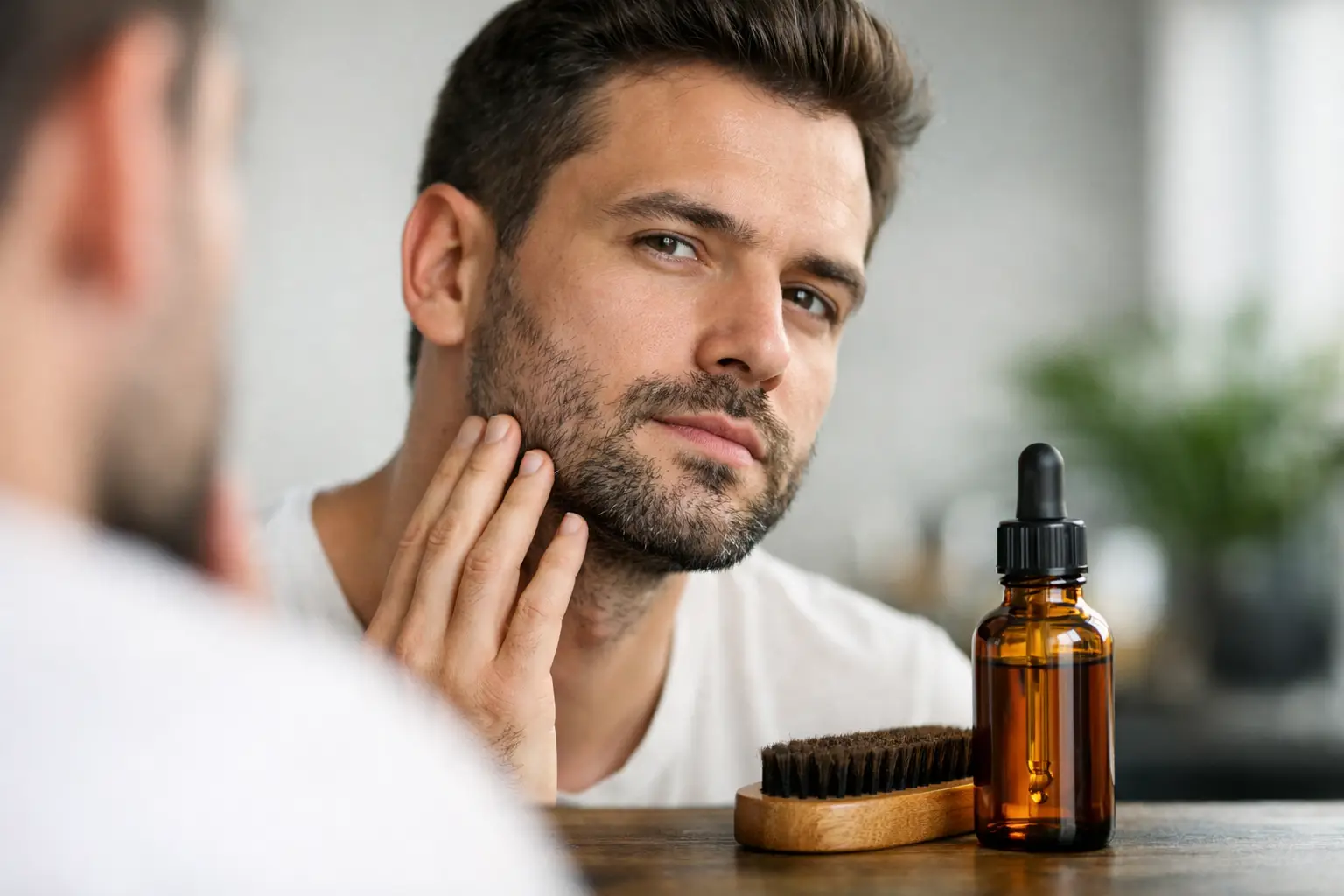
A patchy beard rarely feels like just a style issue. More often, it shows up as dry skin underneath, rough texture through the beard you do have, and a daily question about whether the right product can help it fill in. If you have been looking into beard oil for patchy beard growth, the honest answer is simple: it can help, but not in the way many marketing claims suggest.
Beard oil does not create new follicles where none exist. What it can do is support the conditions that allow your beard to look healthier, feel softer, and grow with less breakage and irritation. For many men, that matters more than hype. A beard that is better nourished, properly hydrated, and easier to maintain often appears fuller over time, even if the real change starts at the skin level.
What beard oil can actually do for patchy growth
Patchiness comes from different causes. Sometimes it is genetics. Sometimes it is slow growth that makes one area look thinner than another. In other cases, dryness, itching, flaking, or constant trimming make a beard seem less even than it really is.
This is where beard oil earns its place. A quality formula helps soften coarse hairs, reduce dryness, and improve comfort in the skin underneath. When the skin is moisturized and the beard is less brittle, you are less likely to deal with snapping, rough ends, and the frizz that can make thin areas look more obvious.
For men with early growth, beard oil can also improve manageability. Hairs that lie flatter and look conditioned tend to create a more uniform appearance. That does not mean oil changes your natural beard pattern. It means it helps you make the most of the growth you already have.
Beard oil for patchy beard growth and skin health
The skin under your beard often gets ignored. That is a mistake, especially when you are trying to support healthier growth. Dry, tight, or irritated skin can affect how comfortable your beard feels and how well you stick to a grooming routine.
Beard oil for patchy beard growth works best when it is viewed as skin care first and beard care second. Natural oils help replenish moisture, which can calm itchiness and reduce flaking. Herbal and botanical ingredients may also help nourish the skin barrier, which is useful if your beard area feels sensitive or stressed.
That skin-first approach matters because unhealthy skin does not create an ideal environment for your beard to thrive. If the area underneath is consistently dry or inflamed, the beard can feel rougher, look duller, and become harder to grow out evenly.
Why some patchy beards look fuller with oil
There is a practical difference between growing more hair and creating a fuller-looking beard. Beard oil often helps with the second one.
When beard hair is dehydrated, it can curl irregularly, stick out, and reflect less light. That makes sparse areas stand out. A nourishing oil smooths the hair shaft and improves softness, which can make the beard look denser and more intentional. If you have patchiness along the cheeks or jawline, that subtle improvement in texture can make a visible difference.
It also helps reduce the temptation to over-trim. Many men try to fix uneven growth by cutting too soon, which keeps the beard from reaching a length where thinner areas start blending better. A softer, more manageable beard is easier to leave alone long enough to assess its real potential.
What beard oil cannot do
This is the part worth being clear about. Beard oil cannot override genetics, and it cannot guarantee new growth in bare spots. If a patch has very little follicle activity, oil alone will not change that.
It also will not work overnight. Beards grow in cycles, and some areas naturally mature later than others. That is why patience matters. A product that supports hydration and nourishment can improve the overall condition of your beard in days, but visible changes in appearance usually come from consistent care over several weeks.
If patchiness is new, sudden, or paired with redness, significant shedding, or irritation, it may be worth looking beyond grooming. Sometimes stress, skin conditions, or other health factors play a role. In that case, beard oil can improve comfort, but it may not address the root cause.
How to choose a better beard oil for patchy beard growth
Not every beard oil is worth using, especially if your skin is sensitive or your beard area tends to feel dry. A better formula focuses on nourishment rather than just surface shine.
Look for plant-based oils that help soften hair and support moisture retention. Lightweight oils can be ideal if you want daily use without a greasy finish. Richer oils can be helpful for very coarse beards or skin that feels chronically dry, though too-heavy formulas may sit on the surface if you apply too much.
Ingredient quality matters. Botanical oils and herbal components can complement each other when the goal is comfort, hydration, and healthier-looking growth. You want a formula that feels restorative, not harsh. Strong synthetic fragrance or overly heavy fillers can work against that by irritating the skin or leaving buildup.
A simple rule helps here: choose an oil that supports the skin beneath the beard as much as the beard itself. That is usually where the long-term benefit starts.
How to use beard oil so it makes a visible difference
Application matters more than many people realize. Beard oil should not just coat the outer layer of hair. It needs to reach the skin.
Start with a clean, slightly damp beard. Place a small amount of oil in your palms, rub your hands together, and work it into the beard with your fingertips first, making contact with the skin underneath. Then smooth the remaining oil through the rest of your beard, focusing on drier or rougher areas.
If your beard is short, a few drops may be enough. If it is thicker or longer, you may need a bit more. The right amount leaves your beard soft and conditioned, not slick or heavy.
Consistency is what brings results. Daily use is often best, especially after washing or showering. A steady routine helps maintain hydration, improve texture, and reduce the dryness that makes patchiness more noticeable.
Supporting patchy growth beyond oil
Beard oil works best as part of a broader care routine. If your beard area is constantly stripped by harsh cleansers, neglected between trims, or irritated by scratching, even a good oil has to work harder.
Cleanse gently. Keep the skin comfortable. Avoid over-washing, which can leave both the beard and the skin underneath dry. Trim with restraint if your goal is fuller-looking coverage, and give slower-growing areas time to catch up.
Lifestyle also plays a role. Sleep, stress, and overall nutrition affect how healthy your hair appears. Beard care products are useful, but they are not separate from the rest of your routine. Healthy growth usually reflects a combination of consistent grooming and consistent self-care.
For men who want a natural approach, this is often the most sustainable path. A botanical beard oil, used regularly and paired with simple beard maintenance, can help improve comfort and presentation without turning grooming into a complicated process.
When beard oil is worth it
If your patchy beard feels dry, wiry, itchy, or difficult to shape, beard oil is worth trying. It is especially useful when the beard is there but not looking its best. In that situation, hydration and nourishment can noticeably improve the way it feels and the way it wears.
If you expect it to fill completely bare spots by itself, you will likely be disappointed. But if you want healthier skin, softer texture, less breakage, and a beard that appears more even over time, it can be a very practical step.
That is the value of a well-made natural formula. It supports the grooming conditions that encourage a better-looking beard while keeping the routine simple and restorative. Brands such as Mimea Herb build around that balance of nourishment, comfort, and visible care.
A patchy beard does not always need a dramatic fix. Often, it needs steady support, good ingredients, and enough time for healthier growth to show itself.
Leave a Reply