
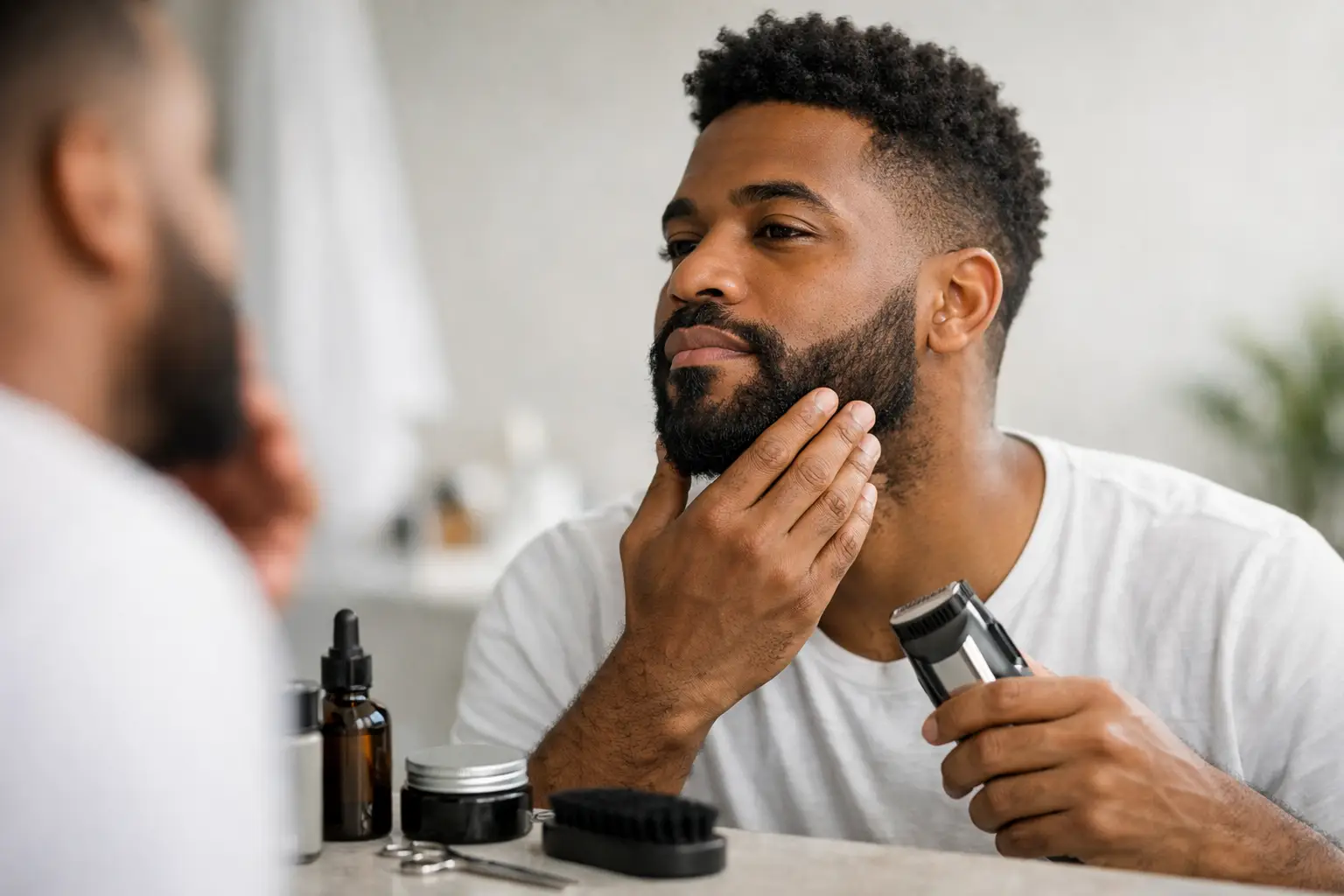
A new beard usually starts with good intentions and a few frustrating surprises. The shape comes in unevenly, the skin underneath gets dry, and what looked low-maintenance suddenly needs real care. A consistent beard grooming routine for beginners helps you get ahead of that early stage, so your beard feels healthier, looks cleaner, and becomes easier to manage day by day.
The goal is not perfection. It is comfort, hydration, and steady upkeep. When you start with the basics and use products that support the skin as much as the beard itself, you give new growth a better foundation.
Why a beginner beard routine matters
Most early beard problems are not really beard problems. They start with the skin underneath. If your face is dry, irritated, or clogged with buildup, your beard is more likely to feel rough, look dull, and become difficult to style.
That is why a beginner routine should focus on cleansing gently, keeping moisture in place, and reducing the kind of dryness that leads to itching and flaking. A beard can only look healthy if the skin below it is in good condition.
There is also a practical side to routine. When you care for your beard consistently, you notice what it needs before small issues turn into bigger ones. Maybe you need more hydration in colder weather. Maybe your skin reacts better when you wash less often. Those details matter, and they are easier to see when you are not guessing every morning.
The core beard grooming routine for beginners
A strong beard routine does not need ten products or extra steps. In most cases, beginners do best with a simple pattern they can follow daily and weekly.
Step 1: Cleanse without stripping
Your beard collects sweat, oil, food residue, and environmental debris faster than you might expect. Washing helps, but over-washing can dry out both the beard and the skin. For most beginners, cleansing a few times a week with a gentle formula is enough, while rinsing with water on other days can help refresh without causing dryness.
If your beard feels brittle after washing, the cleanser may be too harsh. A beard-friendly or herbal nourishment shampoo can be a better fit than a standard hair shampoo because it is more likely to support moisture while still removing buildup. That balance matters, especially in the first few months when the beard texture is still changing.
Step 2: Dry it the right way
A towel should absorb moisture, not rough up the hair. Pat the beard dry instead of rubbing it aggressively. Harsh drying creates friction, and friction can make a beard feel wiry and look frizzy.
You do not need to leave it soaking wet before applying oil, but slightly damp hair often responds well to hydration. It helps distribute product more evenly and can leave the beard feeling softer rather than coated.
Step 3: Use beard oil for hydration and comfort
For many men, this is the step that changes everything. A quality beard oil helps soften coarse hair, support the skin underneath, and reduce the itch that often makes beginners want to shave everything off.
Start with a small amount. Warm it between your palms, then work it through the beard and down to the skin. That last part is important. If the oil only sits on top of the hair, the skin below may still stay dry.
Ingredient quality matters here. Botanical oils and herbal blends can help nourish without making the beard feel heavy. If your main concerns are dryness, roughness, or discomfort during growth, a beard oil with a restorative, plant-based profile is often a smart place to begin.
Step 4: Comb or brush with a light hand
Combing helps distribute oil, separate tangled hairs, and train your beard to grow in a cleaner shape. It also makes uneven areas easier to spot, which keeps you from trimming too much too soon.
A wide-tooth comb works well for shorter or medium beards, while a beard brush can help guide fuller growth. The key is not to overdo it. Aggressive brushing can irritate sensitive skin and create breakage, especially if the beard is still dry.
Step 5: Trim for shape, not for speed
Many beginners think frequent trimming makes a beard grow faster. It does not. What trimming can do is help the beard look healthier and more intentional while it fills in.
Start small. Clean the neckline, tidy the mustache if it hangs over the lip, and remove obvious stray hairs. Resist the urge to reshape the entire beard early on. Growth patterns are still revealing themselves, and cutting too much can make the beard look patchier than it really is.
How often should you groom?
A daily rhythm usually works best. Rinse or lightly cleanse as needed, apply beard oil, and comb into place. That takes only a few minutes, but it keeps dryness and tangling from building up.
A deeper wash and careful trim can happen weekly or every couple of weeks depending on your growth rate and beard length. If you work out often, live in a dry climate, or spend long hours outdoors, your routine may need a little more hydration. If your skin is oily or easily congested, you may need to pay closer attention to cleansing. It depends on your skin, your beard density, and your environment.
Common beginner mistakes
The most common mistake is using too much product. More oil does not always mean more hydration. Sometimes it just leaves the beard greasy while the skin underneath still feels neglected because the product was not worked in properly.
Another mistake is washing too often with strong cleansers. Clean is good. Stripped is not. If your beard feels squeaky or stiff after washing, you have probably gone too far.
Impatience is another issue. Beards rarely come in evenly at first. One side may look fuller, the cheeks may lag behind, and the mustache may seem to grow at its own pace. That is normal. Good care supports a healthier appearance, but it does not override your natural growth pattern overnight.
If your beard itches, flakes, or feels rough
These are early warning signs that your routine needs adjustment. Itching often means the skin is dry or irritated. Flaking can point to dryness, buildup, or a dandruff-like condition affecting the skin beneath the beard. Rough texture usually means the hair needs more consistent moisture and gentler handling.
This is where natural, ingredient-conscious care can make a real difference. Products designed to nourish with herbal oils and support scalp or skin comfort tend to fit well into a routine focused on long-term beard health, not just surface appearance. Mimea Herb approaches beard and hair care from that restorative angle, which is especially useful when dryness and irritation are part of the problem.
If flaking is persistent, it may help to treat the skin under the beard with the same attention you would give your scalp. Gentle cleansing, hydration, and anti-dandruff support can all play a role. The right routine does not just improve how your beard looks. It makes the whole experience of growing one more comfortable.
Building a routine you will actually keep
The best routine is the one you can repeat without effort. If your approach feels complicated, you are less likely to stay consistent. Beginners usually do well with a straightforward setup: cleanse gently, apply oil, comb through, and trim with restraint.
From there, pay attention to feedback from your skin and beard. If your beard still feels dry by midday, increase hydration slightly. If it feels weighed down, reduce the amount of product. If flaking continues, address the skin more directly instead of focusing only on the beard hair.
That kind of consistency builds visible results over time. A beard starts to look fuller when it is not breaking, softer when it is properly hydrated, and more polished when it is cared for with intention.
A beginner beard does not need a complicated fix. It needs steady care, good ingredients, and a little patience. Start with comfort, support healthy growth, and let your routine do the quiet work of building confidence every day.
Leave a Reply